
Last updated November 25, 2026
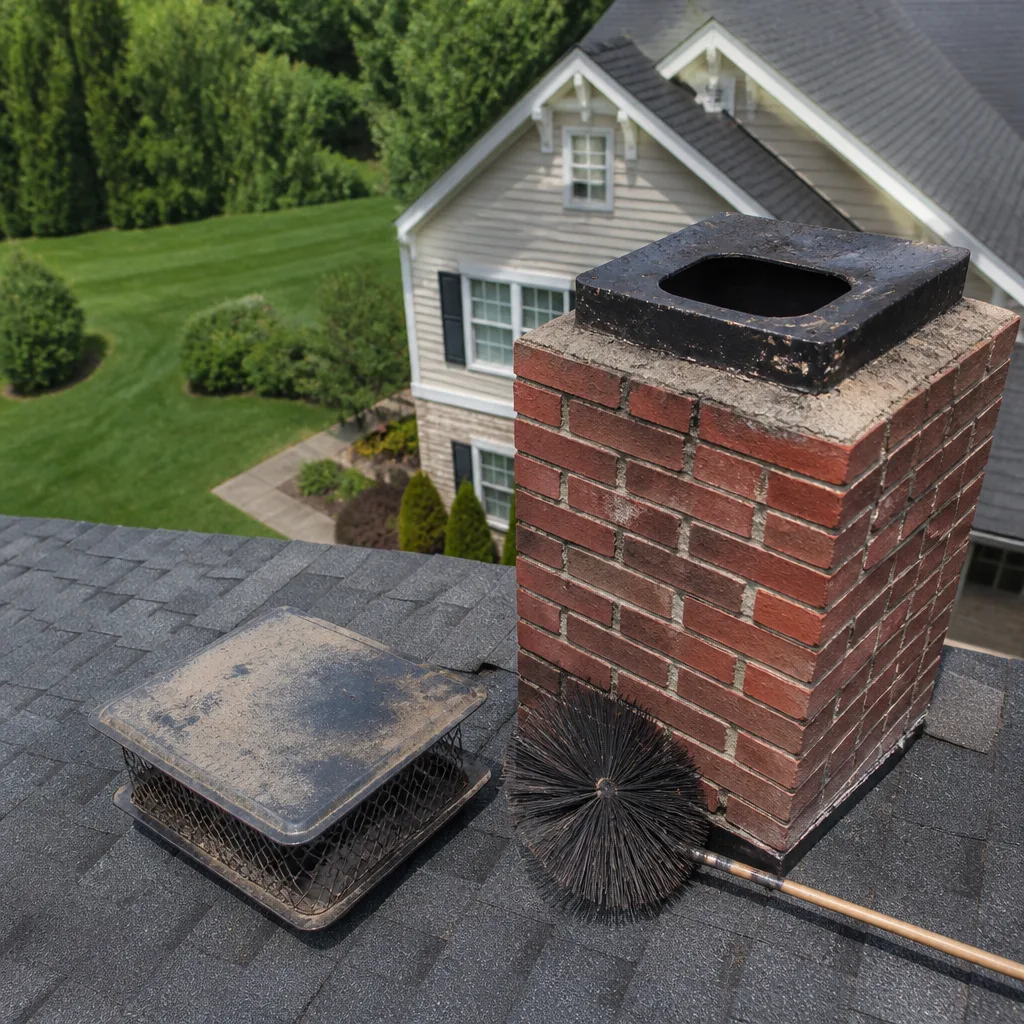 Sweep & inspection
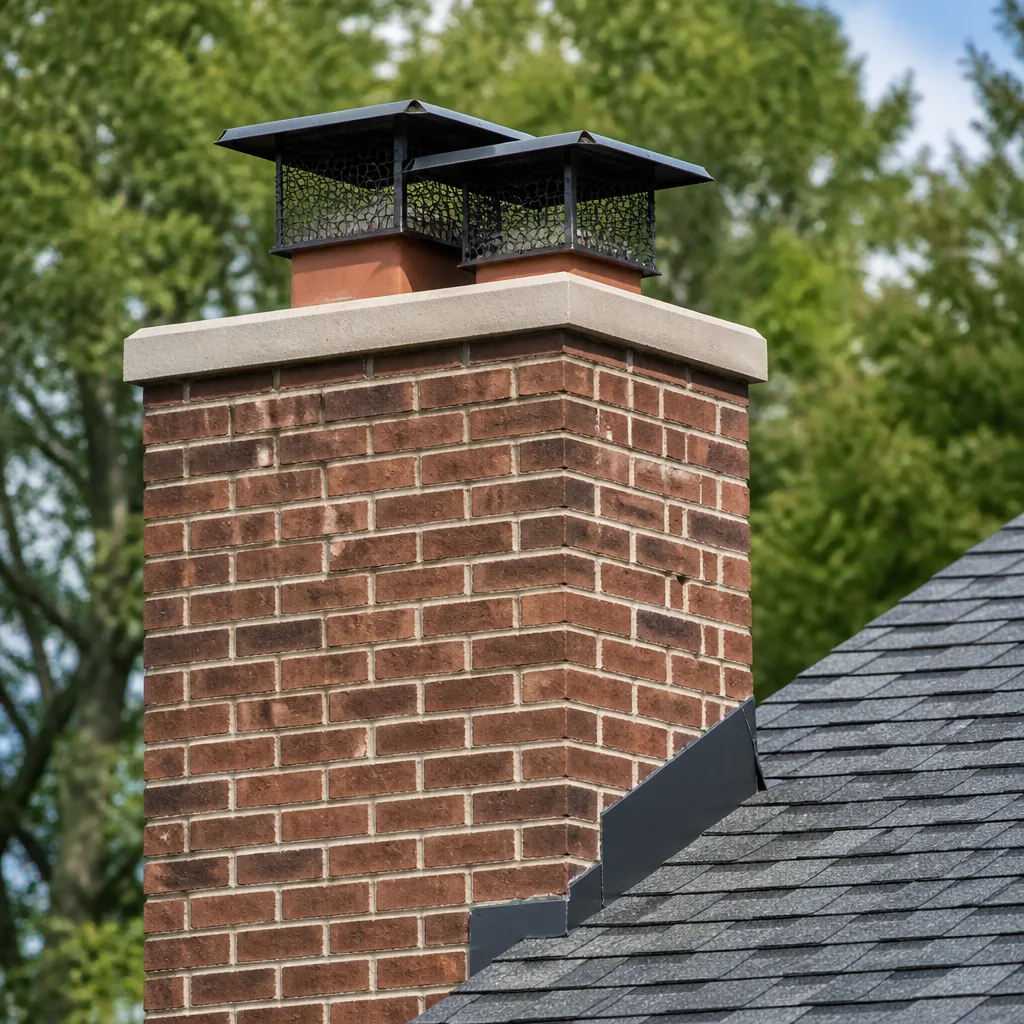 Caps & crowns
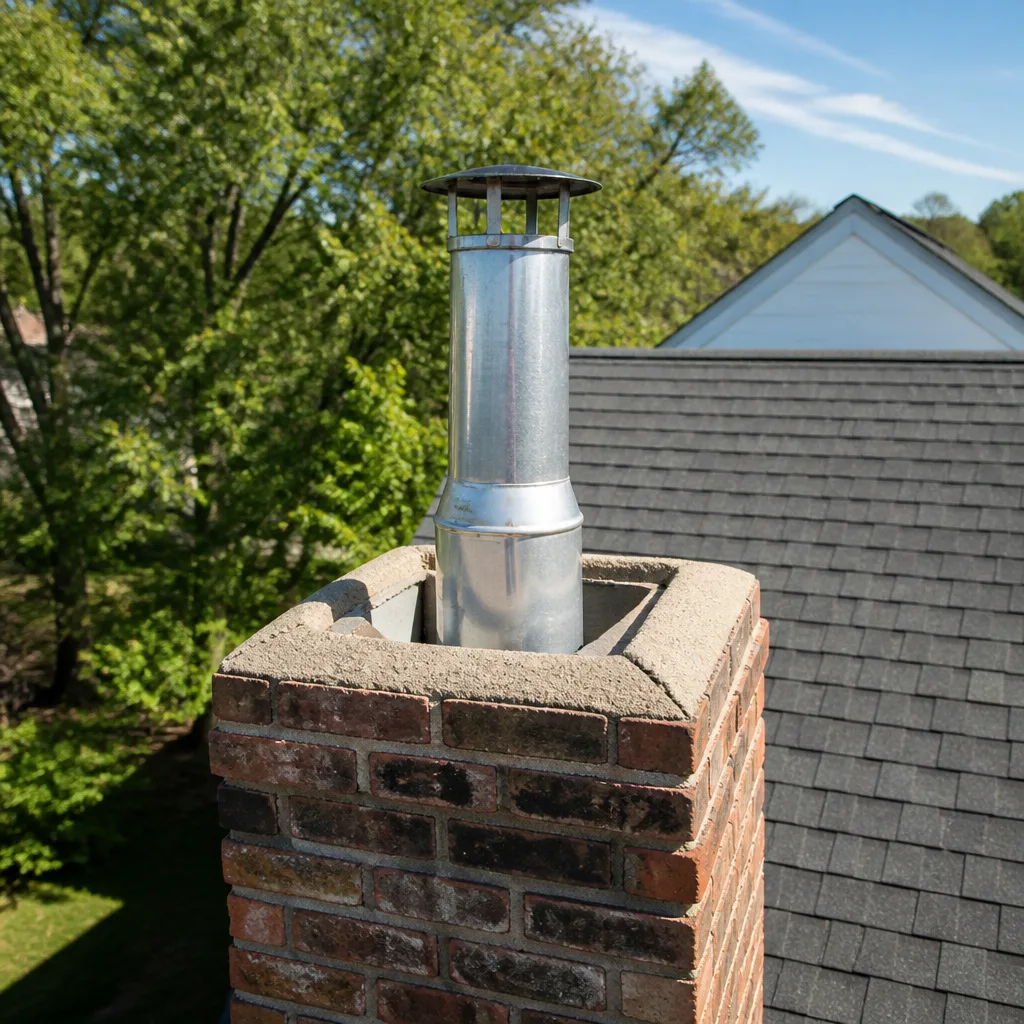 Flue relining
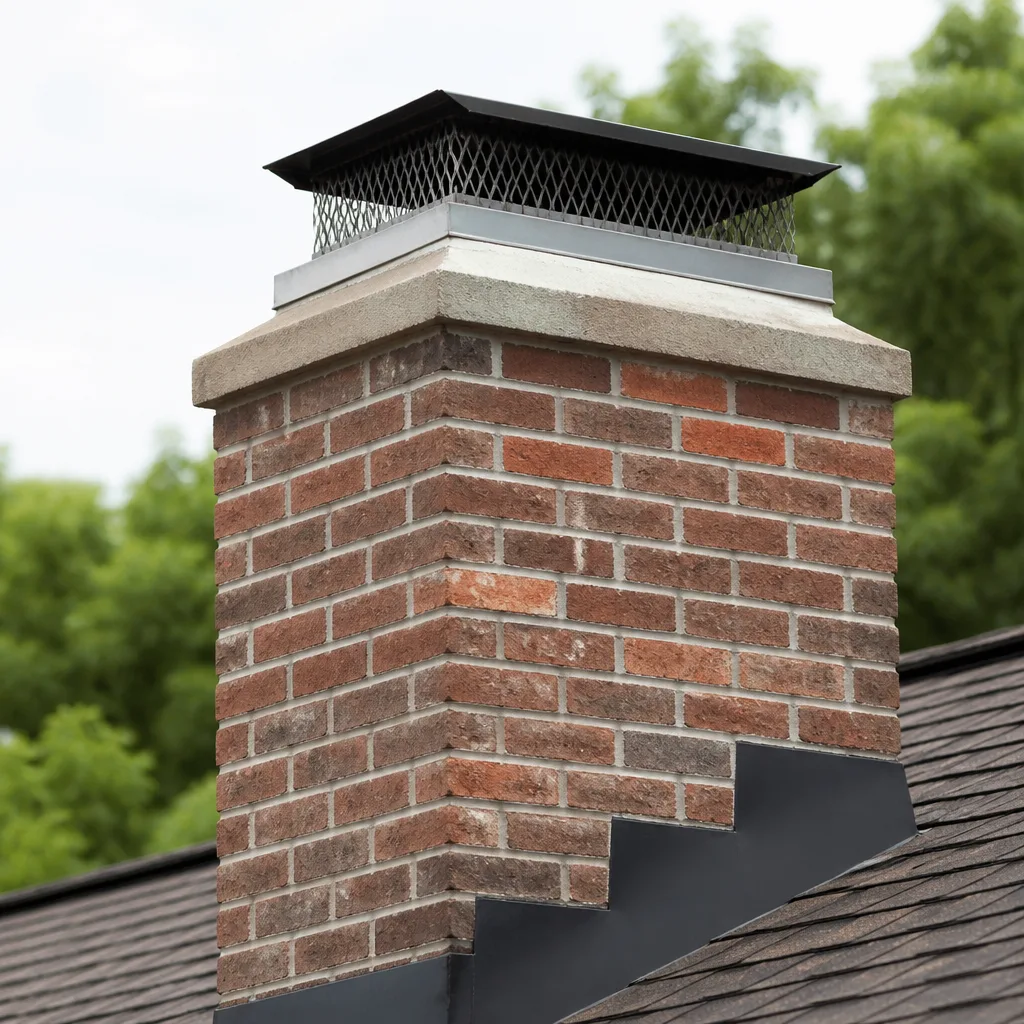 Masonry repair
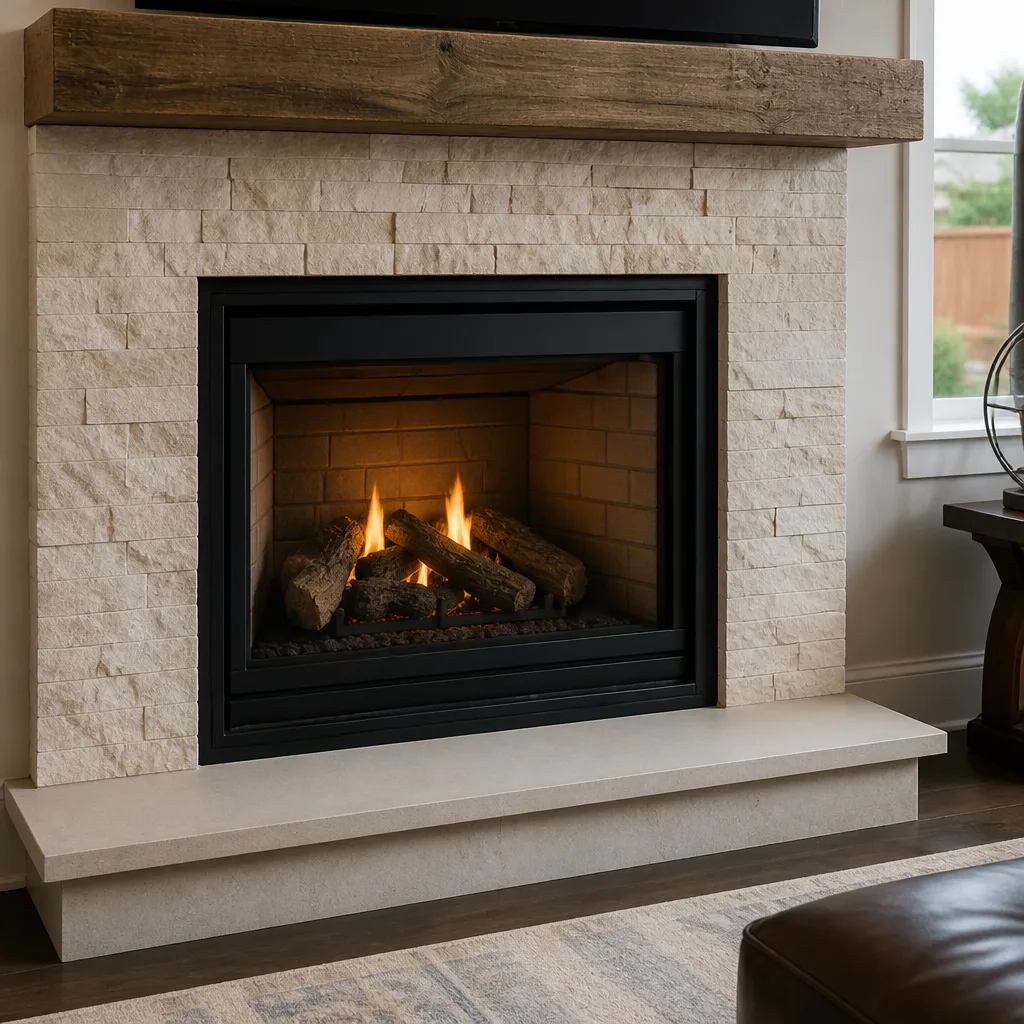 Gas fireplace service
Level 1 sweep and inspection to the NFPA 211 annual standard - flue, crown, cap, and flashing checked and photographed
Chimney sweep logs do not sweep chimneys. They loosen some creosote - which then falls where a brush and vacuum still have to collect it.
Choosing the Right Chimney Cleaning Brand: A Buyer’s Guide for North Dallas
When a technician reseals your chimney crown, there are two categories of product they might use. One is a paintable concrete mix that cracks apart after a couple of North Texas freeze-and-thaw cycles. The other is a flexible polymer sealant built to move with the masonry through the same temperature swings. Both get written up as “crown repair” on an invoice. The customer sees the same three words and pays the same kind of money, and the two jobs fail at completely different rates.
That gap is what this guide is about. Most people shopping for chimney work in North Dallas can tell a sweep from a rebuild. What they can’t do is look at a proposal and see whether the liner is a professional-grade system or a cheaper substitute, or whether the crown product is rated for the way masonry actually behaves here. You’ll learn the standard brand names in each product category, why alloy grade and gauge matter, how to read a proposal for what’s actually being installed, and where manufacturer warranties end and workmanship warranties begin.
Quick Answer
Choosing the right chimney cleaning and repair brand in North Dallas comes down to one test: does the company name the specific products going into your chimney, or does it describe the work in vague terms? Professional-grade products are identifiable by brand – HeatShield for liner resurfacing, DuraFlex and Olympia Chimney for flexible liners, Gelco and Famco for caps and venting, Copperfield for masonry and crown work. A company that names its materials can be checked. A company that says “we’ll seal the crown” can’t.
Styles & brands we work with
- Sweep & inspection
- Caps & crowns
- Flue relining
- Masonry repair
- Gas fireplace service
Table of Contents
- Why Chimney Brands Matter More Than Most Homeowners Think
- The Product Categories Behind Every Chimney Job
- Stainless Liner Grade: 304 vs. 316L and What Your Fuel Type Demands
- How to Read a Chimney Proposal for Named Products
- Waterproofing vs. Paint: Why Vapor Permeability Matters
- Manufacturer Warranties vs. Workmanship Warranties
- Questions That Reveal a Company’s Material Standards
- Common Mistakes to Avoid
Why Chimney Brands Matter More Than Most Homeowners Think
Chimney work looks simple from the ground. It’s masonry, metal, and a sweep. The reason brand matters is that so much of it is out of sight once the job is done. The liner behind the damper, the seal under the crown, the adhesive between a cap and its flue – none of it shows. Once the technician packs up, you have no easy way to see whether a HeatShield restoration was done with the actual HeatShield system or with a generic refractory mix that looked right in a bucket.
That asymmetry is what separates an informed buyer from a hopeful one. You aren’t going to climb the roof and grade the work. What you can do is check the materials before the work starts, because the product names carry real information about performance:
- Flexible liners. A DuraFlex or Olympia Chimney liner is manufactured to a published standard for alloy and thickness. A generic import with no brand name carries no such verifiable spec.
- Liner resurfacing. HeatShield is a specific resurfacing system with a published application method and a manufacturer warranty when installed correctly. A cement parge is a cement parge, and it cracks.
- Caps and terminations. Gelco and Famco caps are engineered to a stated flange and mesh spec that determines whether they actually keep water, birds, and sparks out of the flue.
- Masonry and crown work. Crown sealants and repair mortars vary enormously in flexibility and heat tolerance. The right product for a North Dallas roof is one that flexes through the seasonal temperature swings without cracking.
We use branded materials not because the labels look good on a proposal but because each product solves a specific failure mode. A generic cap may fit the flue. It just doesn’t hold up the way a proper Gelco cap does through a long, hot summer. That difference shows up a few years later, not on the invoice.
The Product Categories Behind Every Chimney Job
Chimney materials aren’t one product family. They’re a set of distinct categories, and a company that carries the right brand in one category may carry nothing recognizable in another. Here’s what each category does and the standard names to watch for. This is the reference most homeowners never get handed.
- Flexible stainless liner systems. The core of a chimney reline. DuraFlex and Olympia Chimney are the professional-grade names to know. The liner carries flue gases from the firebox to the top of the chimney and isolates them from the surrounding framing and masonry.
- Liner resurfacing compounds. HeatShield is the industry-standard product here. Instead of replacing an entire liner, resurfacing applies a proprietary compound to the interior of an existing clay flue, repairing cracks and gaps while keeping the original structure. It’s a targeted repair, not a full replacement, and that distinction saves real money when the flue is otherwise sound.
- Chimney caps and terminations. Gelco and Famco make caps and vent terminations. The cap is the most underrated piece of the whole system: it’s your first line of defense against rain, birds, and debris, and it’s a step a sweep-only company may skip because it doesn’t stock them.
- Crown sealants and repair mortars. The crown is the sloping concrete cap at the top, and it fails before anything else because it takes the full force of sun and rain. Flexible polymer crown sealants outperform rigid concrete mixes because they move with the masonry instead of cracking against it.
- Smoke chamber parging compounds. The smoke chamber is the funnel above the damper. It’s supposed to be smooth and angled so smoke flows up and out. Rough or unparged masonry there traps creosote and slows draft. Parging compounds smooth it and reduce the fire hazard.
- Masonry waterproofing agents. A breathable water repellent that blocks rain from soaking in while letting trapped moisture escape. We’ll come back to why the word “breathable” matters so much below.
From the cap down to the firebox, every one of these categories is part of the same system. A company that can name its brand in all six is a company building on professional-grade materials across the whole chimney rather than patching one piece.
Stainless Liner Grade: 304 vs. 316L and What Your Fuel Type Demands
If you only learn one technical detail before hiring a chimney company in North Dallas, make it this: the alloy grade of the stainless liner matters, and it depends on what you burn. There are two standard grades in residential chimney lining, 304 and 316L, and they are not interchangeable.
- 304 stainless is a general-purpose alloy. It handles the exhaust from wood-burning fireplaces and wood inserts well, and it’s common for straightforward wood-only applications.
- 316L stainless is a higher-alloy stainless formulated to resist corrosion from the more aggressive byproducts of certain fuels – particularly the sulfur present in some fuel oils and the harsher chemistry around certain appliance types. If your system burns anything beyond plain wood, or your installer recommends 316L for your insert or appliance, that’s not an upsell – it’s the correct alloy for the fuel.
Grade is only half the question. Gauge is the other half, and this is where buyers get taken without realizing it. Thickness determines how long a liner lasts and how well it resists damage during and after installation. A thinner liner is cheaper to make and cheaper to quote, and it looks identical once it’s up the flue.
So how do you verify what you’re actually getting? You look at the box and the documentation, not just the invoice line. When we install a DuraFlex liner, the product arrives in branded packaging with the alloy grade and gauge stated on the material. Ask to see it before it goes up the chimney. A company using genuine professional-grade product should have no trouble showing you the labeling, because it’s right there on the box. A company installing an unbranded liner can’t show you a spec it never had. Our technicians have up to 12 years of experience reading these specs against the fuel type and the flue they’re working with, and that judgment is exactly what you’re paying for when a liner gets chosen.
How to Read a Chimney Proposal for Named Products
Every chimney proposal in North Dallas is a written description of work you can’t watch happen. That makes the language on it worth reading closely. A good proposal names products. A vague one describes activities. Here’s how to tell them apart fast.
Start with how the proposal answers a simple question: what, specifically, is going in? “We will seal the crown” tells you nothing. “Flexible crown sealant, product named, applied over a prepped crown” tells you what you’re buying and gives you something to compare. The same pattern holds for liners (“HT 316L flexible liner” versus “install liner”), caps (“flue cap installed” versus “Gelco multi-flue cap”) and parging (“smoke chamber repairs” versus “HeatShield-rated parging compound applied”).
When the products are named, you get four things a vague proposal can’t give you:
- A material you can price-check against published manufacturer specs, so you know the quote reflects the right product and not a cheaper one dressed in the same words.
- A warranty you can trace. Manufacturer warranties attach to specific products. No named product means no traceable warranty.
- A way to compare two quotes fairly. Two “crown repairs” at different prices aren’t comparable until you know which products each includes.
- Evidence the company knows its materials. A technician who can’t name the crown product is guessing at the job.
Ask directly: “What brand and product are you installing for each line on this proposal?” A legitimate company will name it without hesitation. If the answer is “the standard stuff we use” or “whatever the supplier sends,” you’ve learned something before you spend a dollar. We document what we find in the inspection before we recommend anything, so the proposal should already answer this on its own – and when it doesn’t, ask us. A written proposal that names products is the whole point.
Waterproofing vs. Paint: Why Vapor Permeability Matters
Water is the most common destroyer of chimneys, more than fire and more than creosote in most homes. So it’s natural to want to seal every exterior surface against it. Here’s the trap: not every coating that keeps rain out is good for your masonry. The difference between a real chimney waterproofing product and a paint or sealant applied to masonry comes down to one word – breathability.
Masonry isn’t solid. Brick and mortar absorb moisture from the air and from inside the chimney itself, and that moisture has to be able to escape. A proper chimney waterproofing agent is vapor-permeable: it repels liquid water falling on the outside while allowing water vapor trapped inside the masonry to pass out. A paint or non-breathable sealant does the opposite. It stops rain at the surface and also traps moisture beneath it. When that trapped moisture can’t get out, it does what trapped water always does – it works its way deeper, pushes at the masonry, and shows up as spalling brick, cracked mortar, and efflorescence on the chimney face.
In our experience, the chimney that gets painted looks maintained for a season and then starts failing from the inside. The chimney that gets sealed with a breathable masonry waterproofing product stays dry on the outside and lets the wall breathe. That’s the distinction a homeowner can actually check. Look at what the proposal calls the product, and ask one direct question: “Is this vapor-permeable?” If the answer is a paint or a non-breathable sealer, ask why. There may be a legitimate reason for a specific spot repair, but an exterior coating on the whole chimney needs to breathe.
Manufacturer Warranties vs. Workmanship Warranties
Two very different warranties sit behind the work on your chimney, and knowing which is which keeps you from being reassured by the wrong one. A manufacturer warranty covers the product. A workmanship warranty covers the person who installed it. In a good job, you get both, and they cover different failures.
A manufacturer warranty attaches to a named, professional-grade product installed according to that manufacturer’s requirements. HeatShield’s liner resurfacing carries a manufacturer warranty when the application follows the system’s method. Flexible liner systems like DuraFlex come with their own product warranty tied to the alloy and grade installed. But read the terms: the warranty is generally conditioned on proper installation. Install the product wrong, and the manufacturer warranty can be voided. That’s the gap a workmanship warranty fills.
A workmanship warranty is the installing company’s promise to stand behind the labor – the seams, the fit, the sealing, the application. It’s the coverage that matters when a competent product was installed poorly. So the question to ask isn’t “do you have a warranty?” It’s “what’s the product warranty, what’s your labor warranty, and what voids each?”
A few practical checks:
- Traceability. A product warranty needs a product. The brand and product name on your proposal should match the warranty you’re handed.
- Conditions. Most manufacturer warranties require installation per spec. The workmanship warranty shouldn’t depend on factors outside your control.
- Term length and what it covers. Product warranties and labor warranties often run different lengths and cover different failure modes. Know both numbers.
- Transferability. Ask whether any coverage follows the house if you sell, since it affects your home’s value.
We work with brands that stand behind their materials, and we make sure you understand what the product warranty covers versus what our work covers. If a company can’t explain both, that’s a signal worth listening to.
Questions That Reveal a Company’s Material Standards
You don’t need to know chimney materials better than the technician. You need to know which questions separate a company that thinks about materials from one that doesn’t. These are the ones that do it, and they work whether you’re hiring us or anyone else in North Dallas.
- “What brand of liner are you installing, and why that one for my fuel type?” You’re listening for a specific name (DuraFlex, Olympia Chimney) and a reason tied to what you burn. Vague answers or a blank are a red flag.
- “What alloy grade and gauge, and where can I see that on the product?” Grade and gauge together determine longevity. Professional product shows the spec on the material. Ask to see it.
- “What crown product are you using, and is it a flexible polymer or a concrete mix?” A flexible product handles the temperature swings a masonry crown sees. A rigid concrete mix cracks.
- “Will you waterproof the chimney, and is that product vapor-permeable?” A breathable waterproofing product lets the masonry breathe. Paint does not.
- “If you recommend a liner, is it a full replacement or a resurfacing with HeatShield?” These are different repairs at different costs. A company should be able to explain the condition that drives the choice.
- “What warranty covers the product, and what covers your work?” Two answers, not one. Both should be in writing.
None of these questions is a trap. They’re the same ones we ask ourselves before recommending a product for a North Dallas chimney. A company that answers them plainly is a company you can check. One that deflects, or talks about price instead, is telling you it doesn’t track its materials. A professional inspection should also produce documentation – photos, findings, a condition report – so you can see what the recommendation is based on before agreeing to it. The inspection is where the material choice starts, so look for a company that treats it as more than a checklist.
Common Mistakes to Avoid
- Accepting “we’ll seal the crown” as a complete scope. A scope without a named product tells you nothing about whether the sealant will survive a North Dallas summer. Ask for the product name.
- Assuming any stainless liner is the same. Alloy grade and gauge vary, and a liner that isn’t specified can’t be verified. Grade and gauge are the difference between a liner rated for your fuel and a cheaper generic substitute.
- Letting a company waterproof the chimney with paint. Paint traps moisture in the masonry instead of keeping rain out. Ask whether the product is vapor-permeable before it goes on.
- Choosing a full reline when resurfacing fits. If the flue is sound but has cracks and gaps, a HeatShield resurfacing can repair it without the cost of a full replacement. A company that only offers one solution may be offering what’s easy, not what’s right.
- Skipping the cap because “it doesn’t seem to do much.” The cap is your first defense against water and debris, and it’s a step a sweep-only company may not stock. Leaving it off invites the water damage everybody else is trying to prevent.
- Accepting a proposal that names no products or warranties. If you can’t tie the work to a product, you can’t tie it to a warranty. A written, named scope is your protection.
- Hiring a single-service company for a whole-system problem. Sweeping, caps, liners, and structural repair are one system. A company that handles only one piece will refer you elsewhere for the rest, and the seams between contractors are where responsibility gets lost.
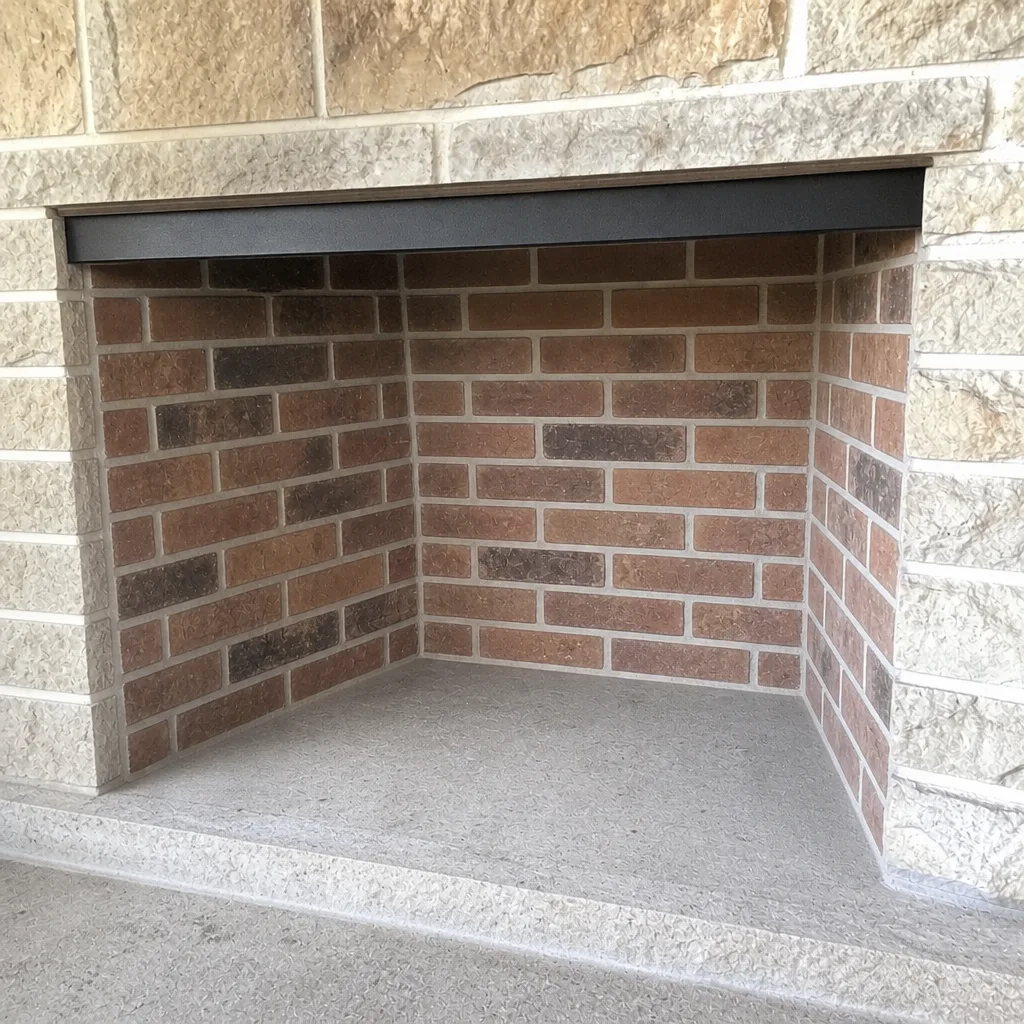
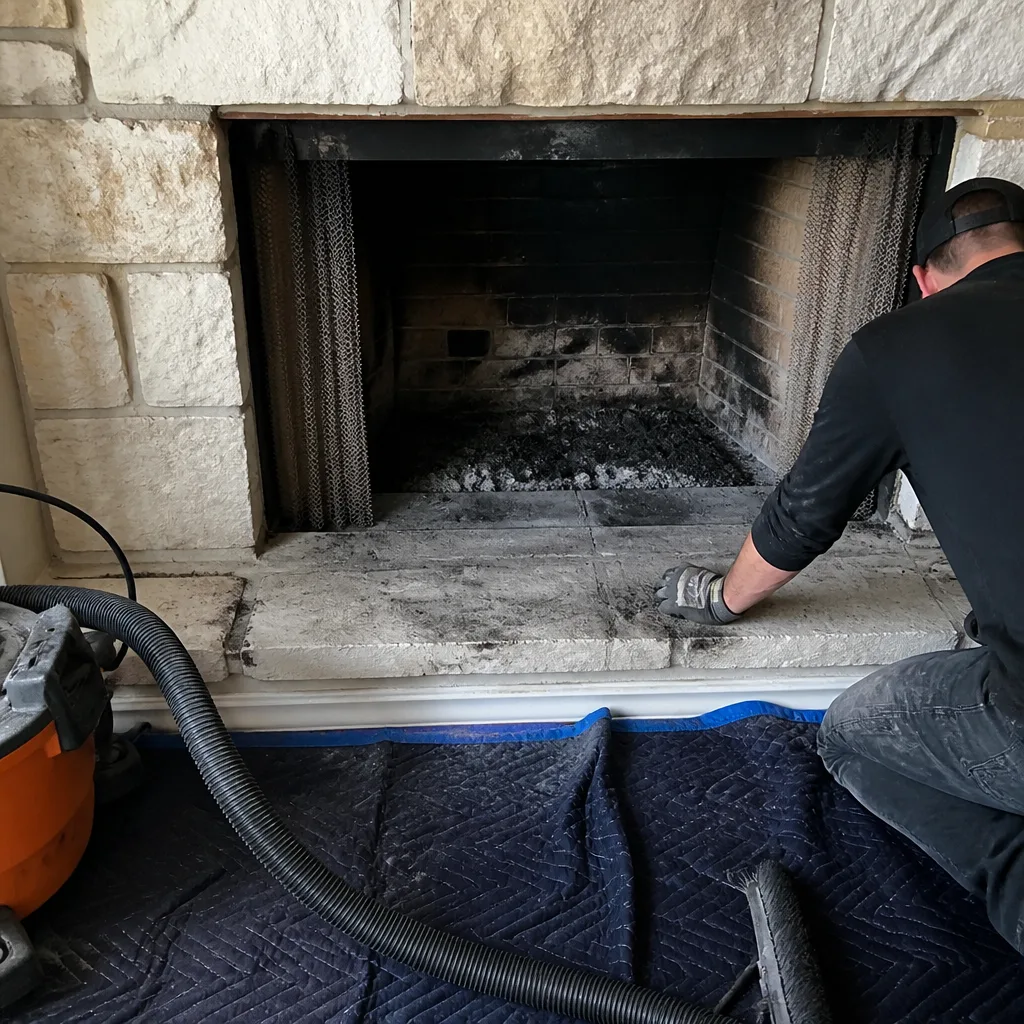
See the difference
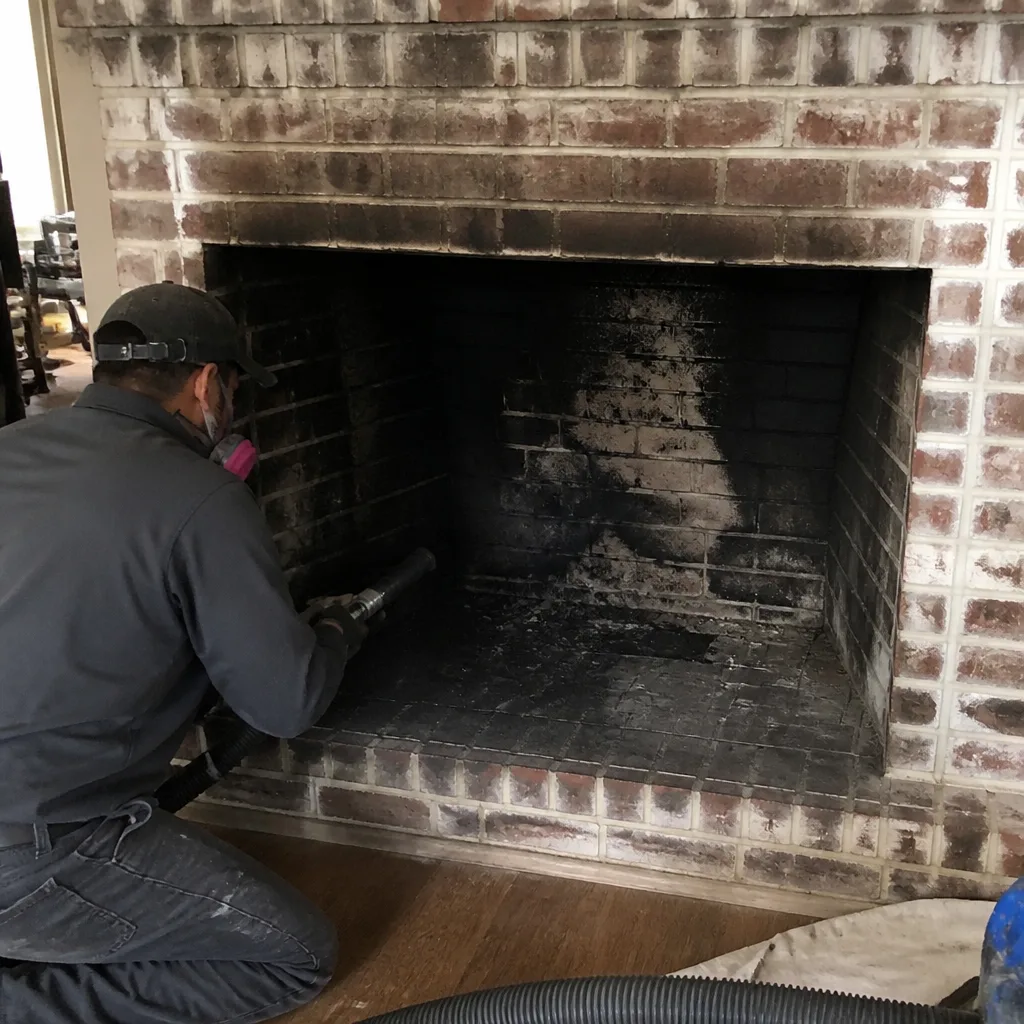 Before
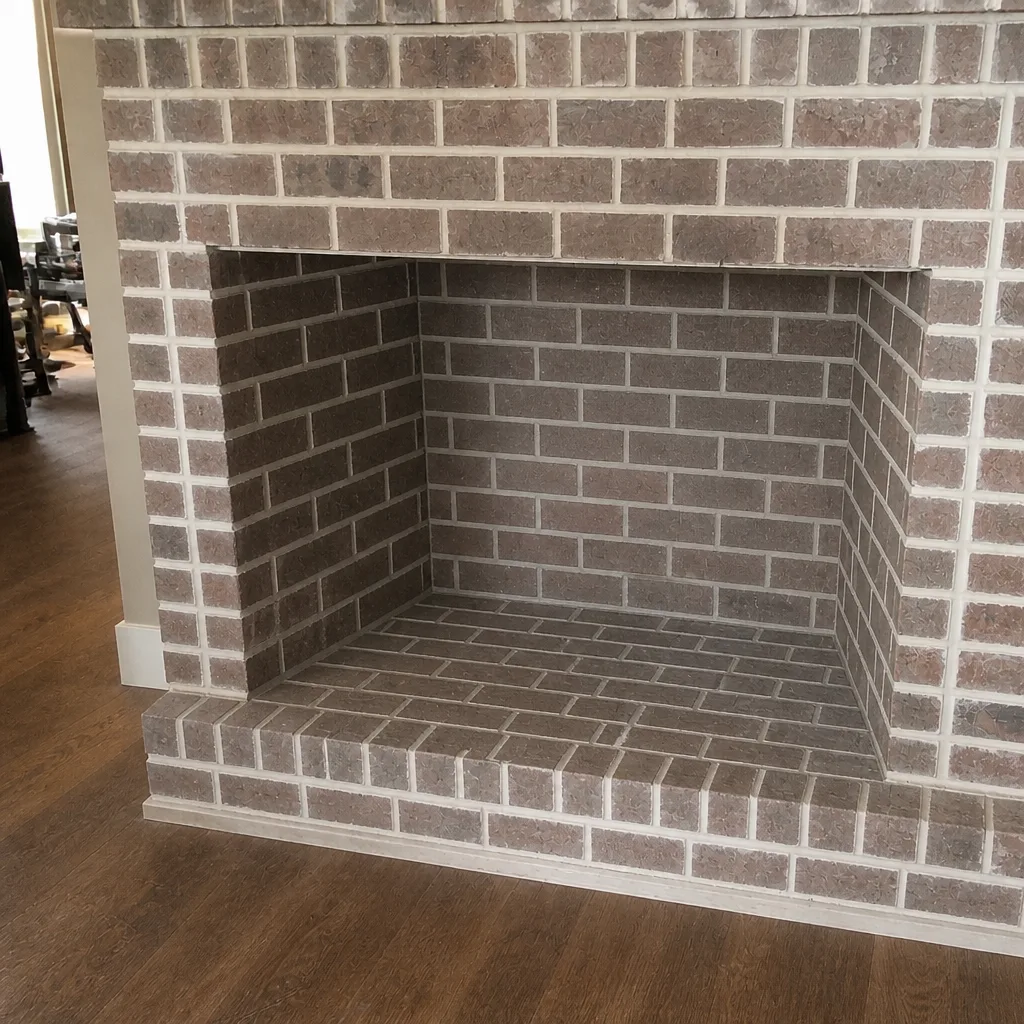 After
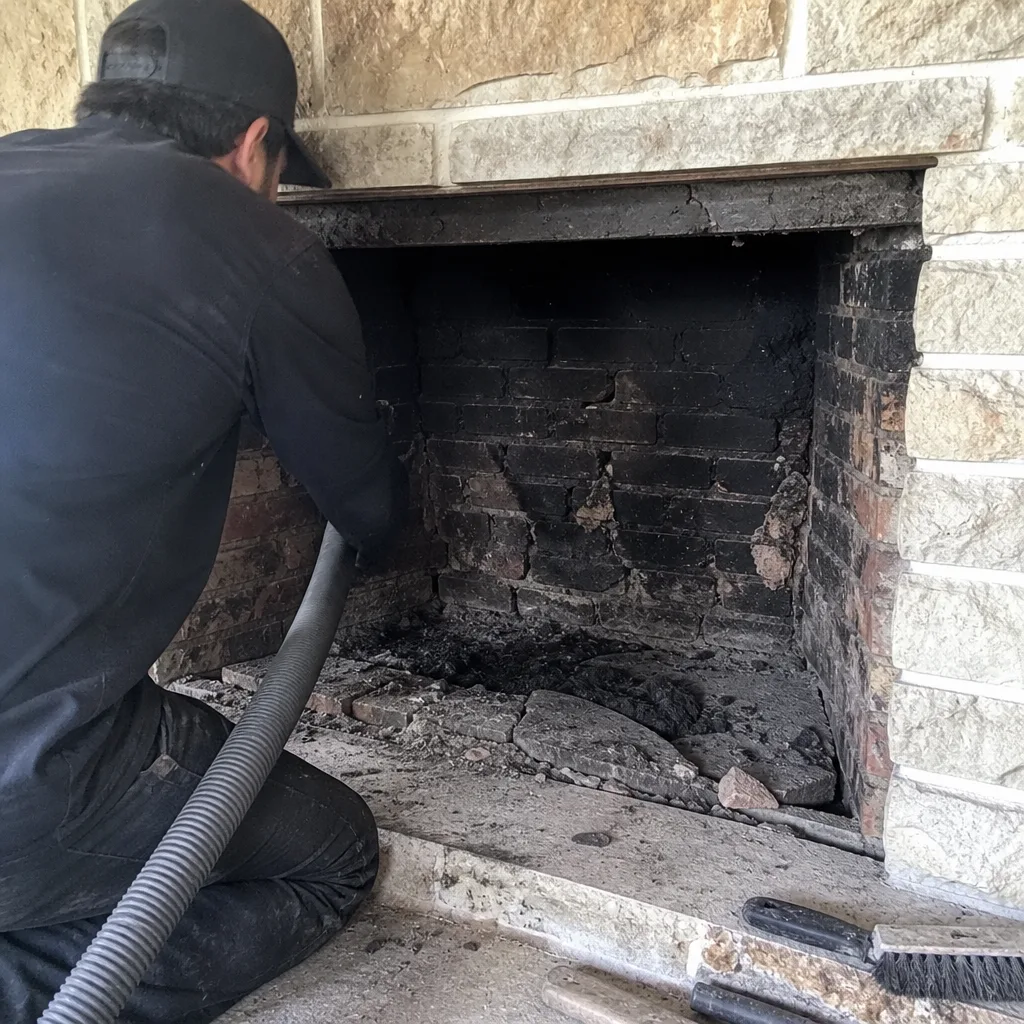 Before
 After
 Before
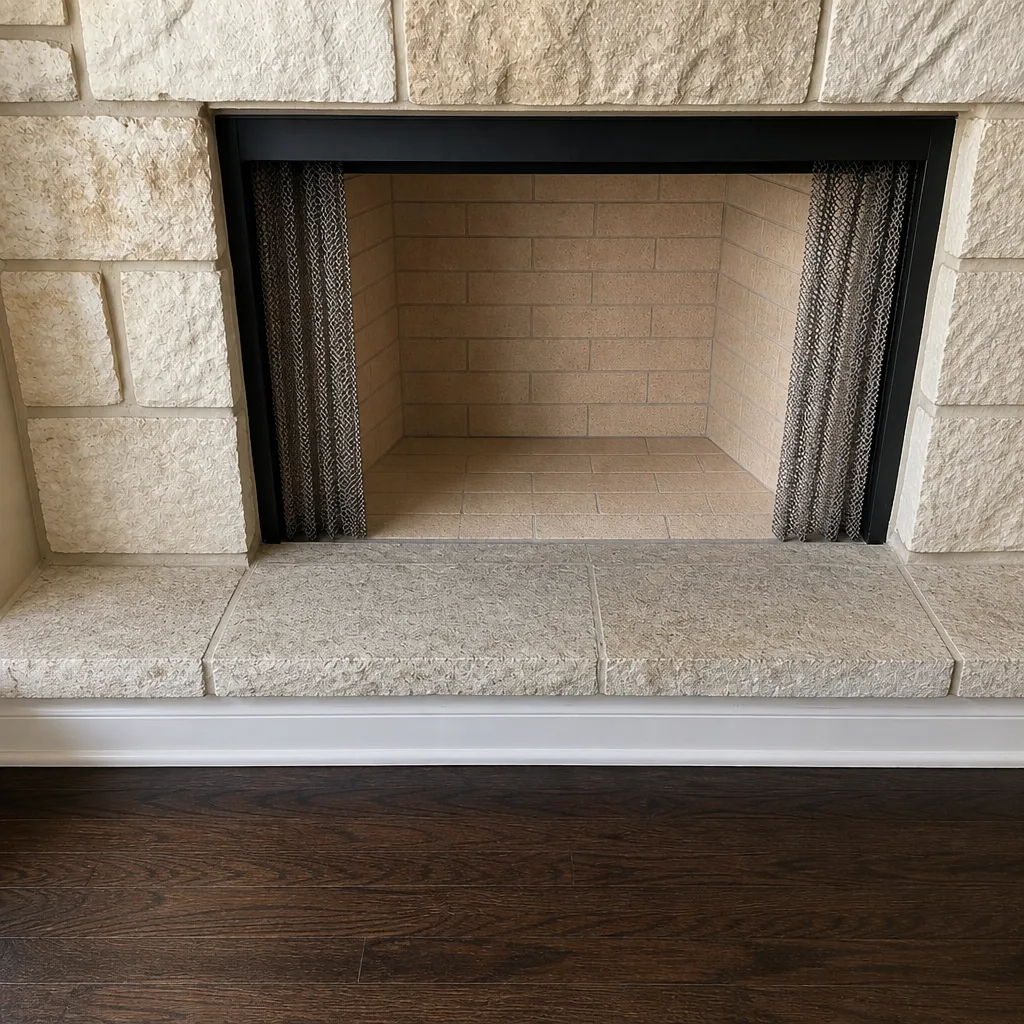 After
When to Call a Professional
Some chimney problems announce themselves. Others sit silently in the flue until they cause real damage. Call a professional when you smell smoke in the room while the fireplace is running, when a course of brick or a mortar joint looks cracked or shifting on the chimney face, when you’ve burned a season or more without a sweep, or when a previous inspection flagged a liner issue you never resolved.
You should also call before an insurance decision depends on it. A documented inspection by a company that names its materials and shows you the evidence protects you in a way a verbal opinion doesn’t. The real hesitation for most homeowners is being told they need thousands of dollars of liner or masonry work with no way to verify it. That’s why an inspection-first approach matters: nothing is recommended without evidence you can see for yourself, and we’ll say plainly when a repair can safely wait.
We’re your full-system chimney specialist in North Dallas. Our technicians have up to 12 years of experience, and we handle the full chimney system from the cap down to the firebox. Chimney Sweep North Dallas offers free estimates in North Dallas – call (833) 468-3242. We answer 24/7. Fast dispatch from 7am to 7pm, Sunday through Friday. Remember that a call outside dispatch hours is booked into the next opening, Sunday through Friday, 7am to 7pm.
Frequently Asked Questions
Look for professional-grade brands named per product category: HeatShield for liner resurfacing, DuraFlex and Olympia Chimney for flexible liners, Gelco and Famco for caps and terminations. A proposal that names its products in each category is one you can verify. Call (833) 468-3242 if you’d like us to walk you through what a named proposal should look like.
Yes, because the products perform measurably differently and most of the work ends up hidden once the job is done. A flexible polymer crown will move with the masonry through the seasonal temperature swings; a rigid concrete mix cracks. A branded 316L liner resists corrosion in a way a generic substitute doesn’t. For a full discussion of the service side, see our chimney repair page.
304 is a general-purpose alloy suited to wood-burning fireplaces and inserts; 316L is a higher-alloy stainless formulated to resist the harsher chemistry around other fuel types. If your system burns anything beyond plain wood, 316L is usually the correct alloy. Ask to see the alloy grade and gauge on the product itself before it goes up the flue.
Ask whether the product is vapor-permeable. A true chimney waterproofing product keeps rain out while letting moisture trapped in the masonry escape. Paint or a non-breathable sealer traps that moisture inside, which leads to spalling brick and cracked mortar over time. The correct product is described as breathable, and a professional will name it on the proposal.
Resurfacing with HeatShield can repair a clay flue that’s cracked or gapped but otherwise sound, extending the chimney’s life without the cost of a full replacement. A full liner replacement is the right call when the flue is structurally compromised. We document what we find with photos before recommending anything, so the choice is based on evidence you can see. Learn more on our chimney sweep page.
A professional inspection should document the condition of the flue, crown, cap, and firebox with photos and written findings, and it should name the products a repair would use. That documentation is what lets you verify a recommendation rather than take it on faith. Call (833) 468-3242 for an inspection that documents what’s actually happening inside your chimney.
The Bottom Line
The brand on the box matters as much as the labor that installs it. Named, professional-grade products – HeatShield for resurfacing, DuraFlex and Olympia Chimney for liners, Gelco and Famco for caps, Copperfield for masonry – carry published specs, traceable warranties, and predictable performance. Generics don’t. Your protection as a buyer is simple: ask for the brand and product in every category, verify the alloy grade and gauge on the material, ask whether waterproofing is vapor-permeable, and understand what each warranty covers. A company that can answer without flinching is a company building your chimney on professional-grade materials.
Protecting your home doesn’t stop at the flue. Our chimney cap & crown work and fireplace repair services cover the rest of the system, so you can address the whole chimney with one crew. Visit Chimney Sweep North Dallas to see the full-service picture.
Chimney Sweep North Dallas offers free estimates in North Dallas. Call (833) 468-3242. We answer 24/7. Fast dispatch from 7am to 7pm, Sunday through Friday. Our technicians have up to 12 years of experience, and we handle the full chimney system from the cap down to the firebox, with the products named and the findings documented before any work begins.
Written by the team at Chimney Sweep North Dallas.