
 Gas fireplace service
 Sweep & inspection
 Caps & crowns
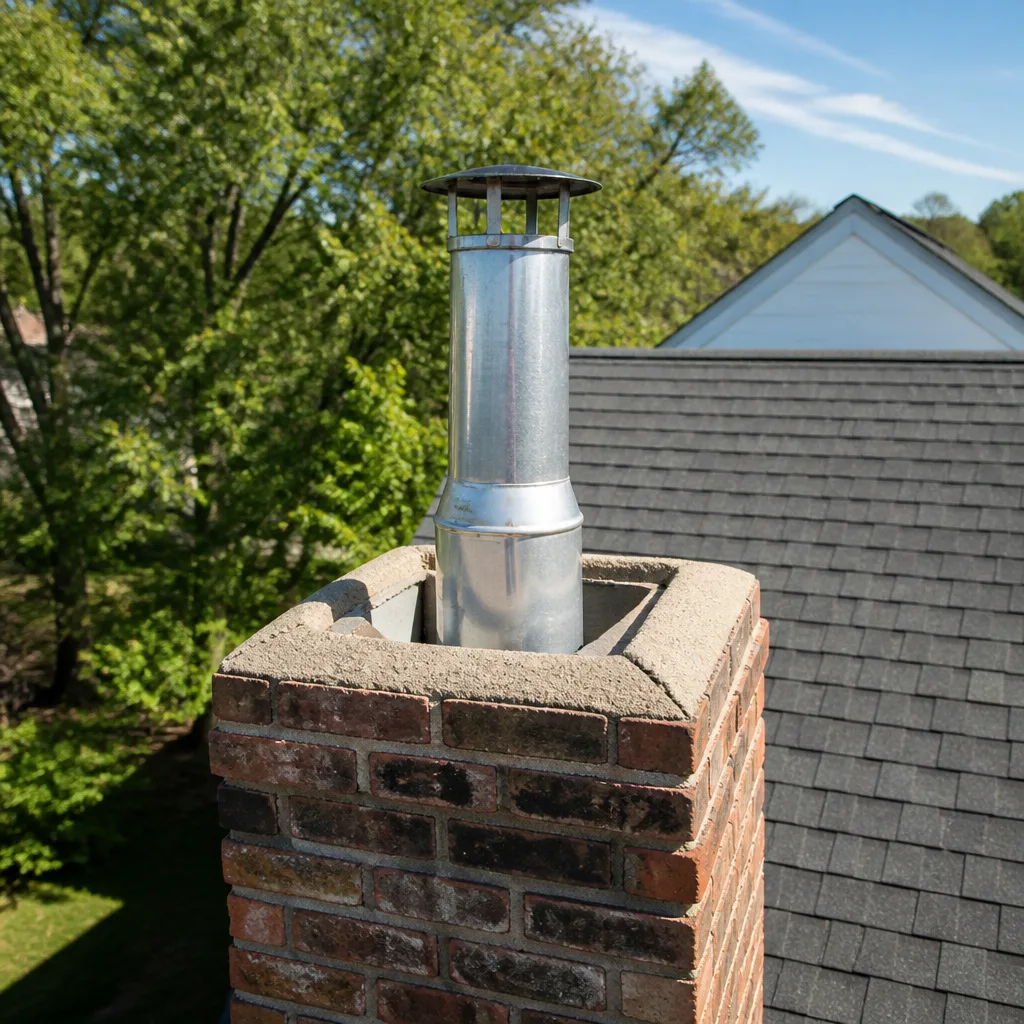 Flue relining
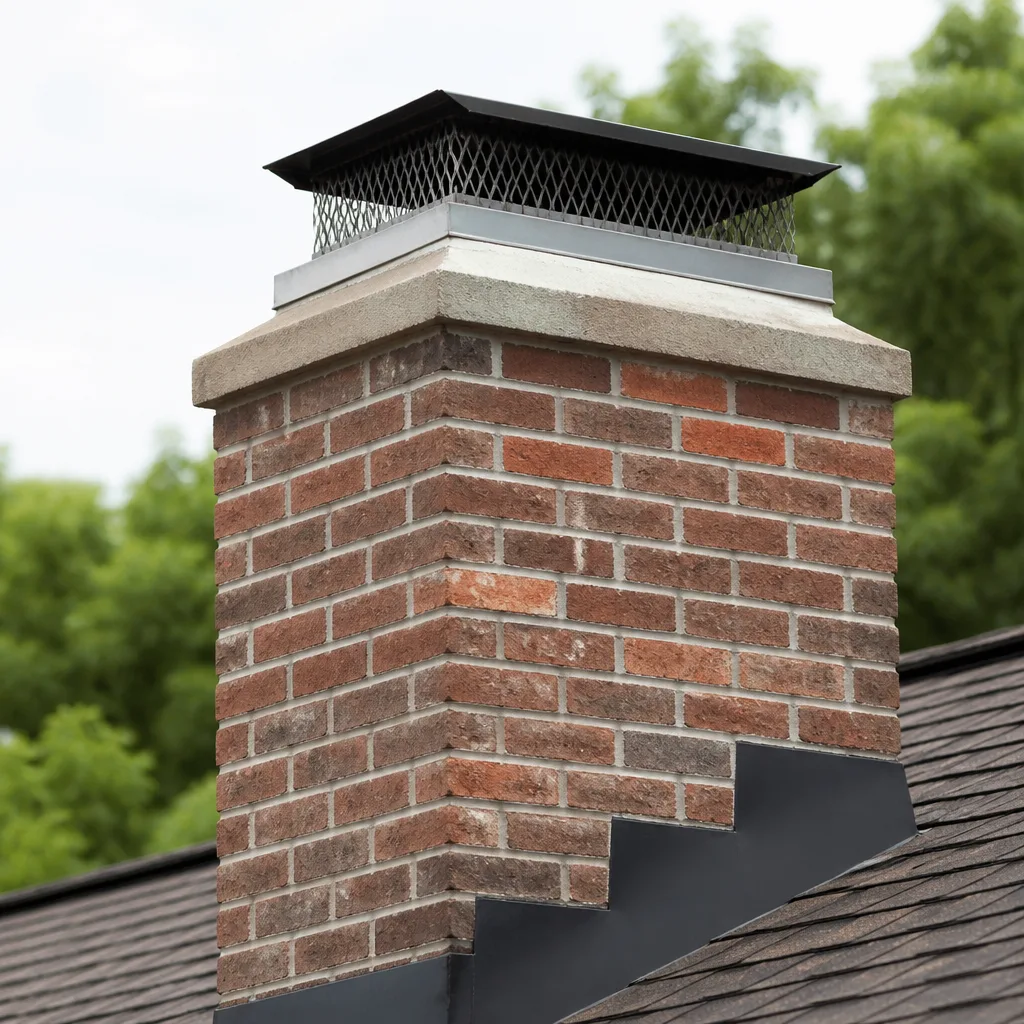 Masonry repair
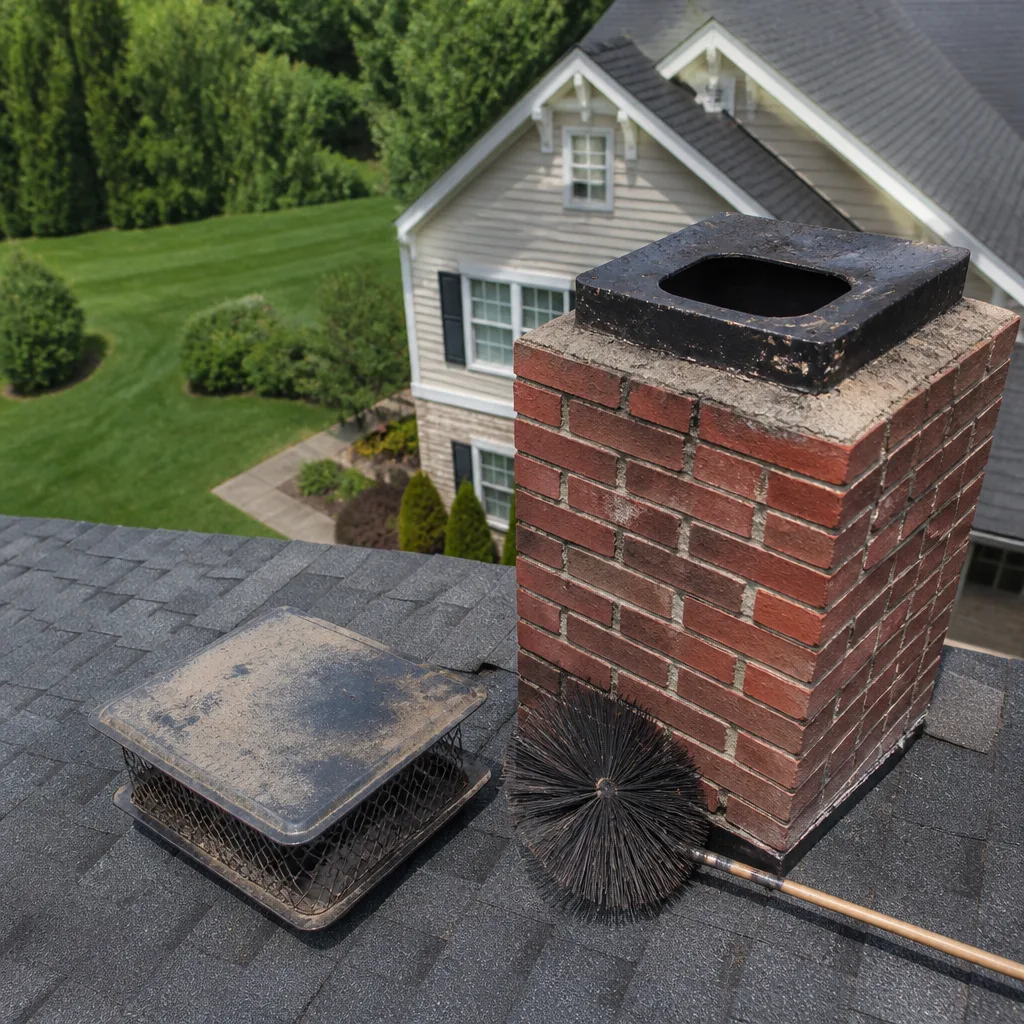
Level 1 sweep and inspection to the NFPA 211 annual standard - flue, crown, cap, and flashing checked and photographed
Chimney sweep logs do not sweep chimneys. They loosen some creosote - which then falls where a brush and vacuum still have to collect it.
Why North Dallas Homeowners Choose HeatShield Chimney Cleaning
We provide independent HeatShield chimney cleaning and repair service in North Dallas. That means we’re not tied to the manufacturer: what we know about HeatShield comes from working on the product in real fireboxes across this part of the city, not from a sales relationship with the company that makes it. To be clear, Chimney Sweep North Dallas is an independent service provider, not an authorized dealer or agent of HeatShield – we repair, install and service HeatShield equipment with quality parts that fit it.
What sets our HeatShield work apart is what comes in the van after ours. We work with six professional-grade product lines – DuraFlex, HeatShield, Gelco, Olympia Chimney, Famco and Copperfield – so when your firebox coating needs attention, the answer is matched to the chimney’s actual condition rather than the one product we happen to carry.
A chimney inspection isn’t just a checklist – it’s how we find what’s actually causing the problem. Every HeatShield job in North Dallas starts there, and the findings are documented before anyone recommends a thing. Our technicians have up to 12 years of experience. Call (833) 468-3242 for a free estimate.
Key Takeaways
- We’re an independent HeatShield service provider, not affiliated with or authorized by the manufacturer.
- Our HeatShield expertise comes from field experience with the product, not from any affiliation.
- We’re authorized to work with DuraFlex flexible liner systems and carry a six-brand material portfolio. We’re not HeatShield certified.
- Every job starts with inspection and documented findings.
Why Trust Chimney Sweep North Dallas for Your HeatShield Chimney Cleaning?
HeatShield is a proprietary refractory resurfacing system, and that changes how it has to be handled. You can’t clean it like bare brick or patch it like generic mortar. Our technicians know where the bonded layer sits on a firebox wall and how much pressure, abrasive action and moisture a cured coating can take before the bond is compromised. That knowledge is the point.
On the parts side, we match quality materials that fit the HeatShield system rather than forcing a generic refractory cement into a coating chemistry it wasn’t built for. A patch that matches the original coating preserves the bond; a patch that doesn’t can fail within a heating season. When a repair falls under the manufacturer’s warranty terms, we work in a way that protects that coverage – cleaning the substrate correctly, getting the surface prep right, and documenting what was applied.
We’re not a manufacturer-authorized specialist and we don’t pretend to be. What we are is a multi-brand chimney company that handles HeatShield work as one part of a full-system approach, from the cap down to the firebox. That means the firebox coating gets looked at alongside the crown, the damper and the flue – because a coating that keeps failing usually has a reason upstream. Homeowners in North Dallas get straight findings, not a single-product pitch.
Styles & brands we work with
- Sweep & inspection
- Caps & crowns
- Flue relining
- Masonry repair
- Gas fireplace service
Common HeatShield Chimney Cleaning Problems We Fix in North Dallas
North Dallas housing stock is largely 1960s to 1980s brick ranch and two-story homes in places like Preston Hollow, Bent Tree and Far North Dallas, and plenty of those fireplaces have had their fireboxes resurfaced with HeatShield at some point. Age and our climate leave their mark on the coating. These are the failures we see most often.
- Delamination and spider-cracking at the walls and floor. After repeated heating and cooling cycles, a bonded HeatShield layer can separate from the original masonry underneath. Spider-cracking begins at stress points and works outward. Once the bond lifts, the coating is no longer protecting the substrate, and in a North Dallas chimney that already swings through hard freezes and hot summers, the cycles come fast.
- Cracking and popping at the smoke chamber and damper frame. These are tight, awkward areas where coating often goes on thin or over a substrate that wasn’t fully cleaned of soot before application. A contaminated bond doesn’t hold. It pops and cracks as the metal and masonry around it expand at different rates.
- Surface erosion and powdering on firebox floors. The floor takes constant heat and the impact of logs being loaded. Over time the HeatShield coating can erode and powder, exposing the porous substrate beneath. A porous floor holds moisture and creosote, and that’s where the trouble starts.
- Coating breakdown along the smoke shelf and flue joint. Water intrusion is the quiet saboteur here. A failed crown or an uncapped flue lets moisture in, and combined with creosote attack, it eats at the bonded HeatShield layer right where the firebox meets the flue. Animal nests in an uncapped flue that sat unused through a long hot summer only add to the mess.
- Coating failures traced to a mismatched appliance. Homes switching from wood-burning to gas log sets often end up with a flue and venting that no longer matches the appliance. HeatShield applied to a firebox that later gets a different heat load can fail early. The coating isn’t the problem – the venting behind it is.
Here’s what a generic HeatShield page won’t tell you. A homeowner notices white powdery spots and a hairline crack near the smoke chamber after a season of wood burning. The usual cause is a thin or contaminated spot in the HeatShield coating where heat cycling has opened a crack, letting moisture and creosote work on the substrate underneath. A qualified chimney pro typically cleans the firebox, sounds the coating to find delaminated areas, and either re-coats the affected zone with matching HeatShield materials or recommends a full resurfacing if the bond has failed. That sequence – sound, clean, then decide – is where most of the judgment lives.
HeatShield Parts & Our Repair-vs-Replace Approach
Because HeatShield is a proprietary refractory system, repairs call for resurfacing materials with the right chemistry rather than generic refractory cement. We use quality materials that fit the coating, and we don’t claim to stock, carry or order OEM or genuine HeatShield parts – we source what the repair actually requires. Generic cement in a HeatShield firebox is a shortcut that tends to show up as a fresh crack the following winter.
The repair-versus-replace call is where we slow down. By sounding the coating, checking how much of the surface has delaminated, and looking at what’s happening in the smoke chamber and flue joint, we can tell you whether a targeted re-coat will hold or whether the bond has failed badly enough that you’re looking at full resurfacing or a new liner. We’ll tell you plainly when a HeatShield firebox is sound enough to maintain, and equally plainly when patching it would be throwing money at a surface that’s already gone. Nothing gets recommended without evidence you can see yourself. Call (833) 468-3242 if you’d like a straight assessment.
Our HeatShield Service Process – Step by Step
- 1
Diagnosis. We start with a Level 2 inspection – camera work included, with photos you keep. On a HeatShield firebox that means sounding the coating for delamination, checking the smoke chamber and damper frame for thin or popped spots, and tracing any water intrusion back to its source. We document what we find before recommending anything.
- 2
Repair or resurfacing. If the coating is sound apart from a defined zone, we clean the substrate thoroughly and re-coat with matching HeatShield materials. If the bond has failed across the firebox, we talk through full resurfacing versus a liner so you understand the options and the cost of each.
- 3
Test. Once the work cures, we confirm the firebox is sealed and the venting matches the appliance – especially important in North Dallas homes that shifted to gas logs, where the flue has to be right for the new heat load.
- 4
Warranty and records. We hand over your inspection report and the record of what was applied, because the manufacturer warranty on a HeatShield resurfacing depends on the product going in properly and the paperwork backing it up.
See the difference
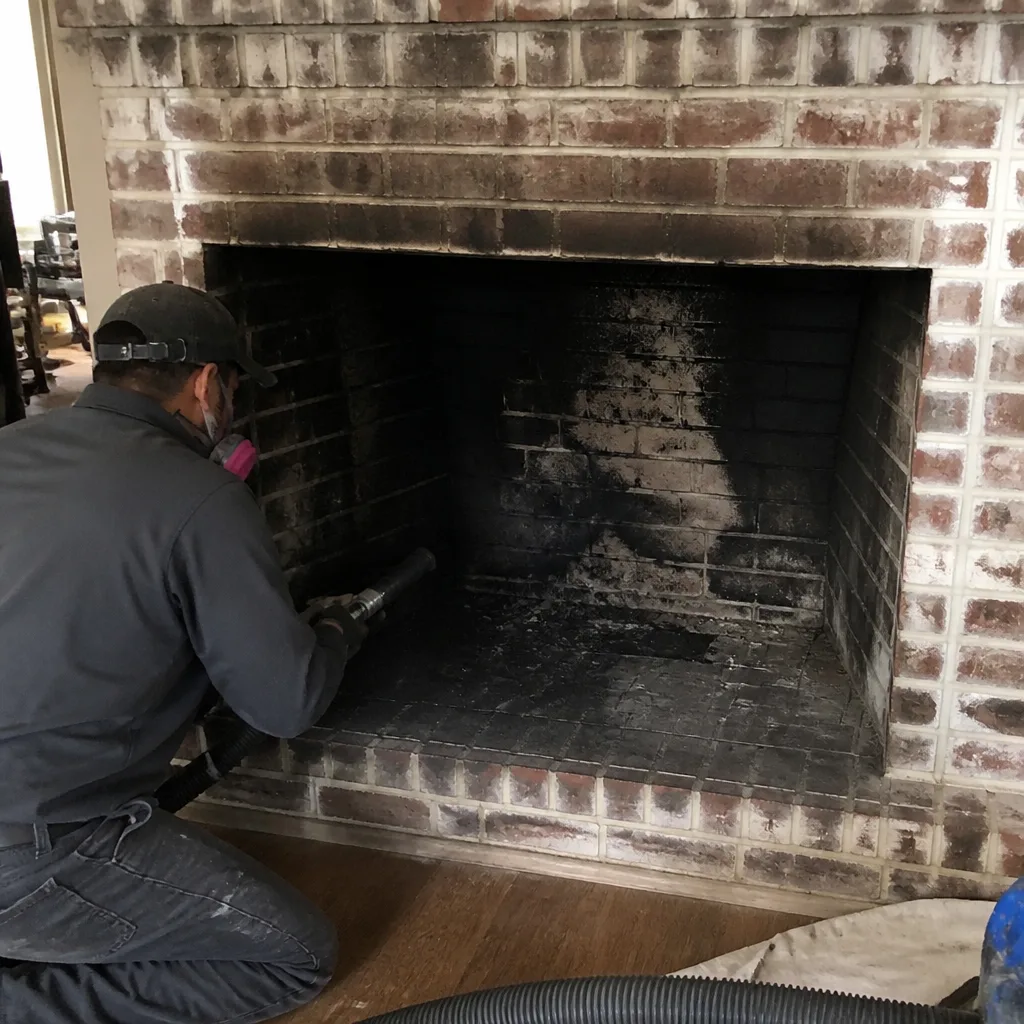 Before
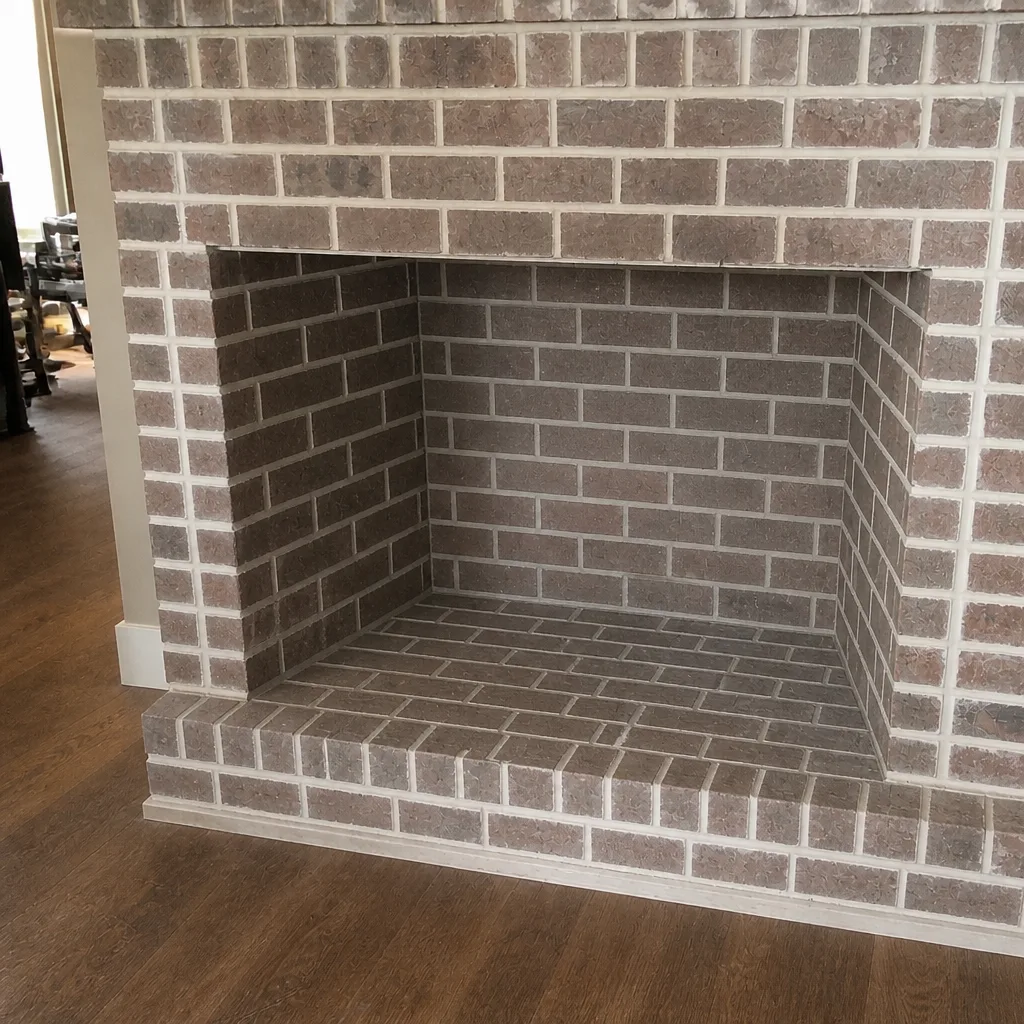 After
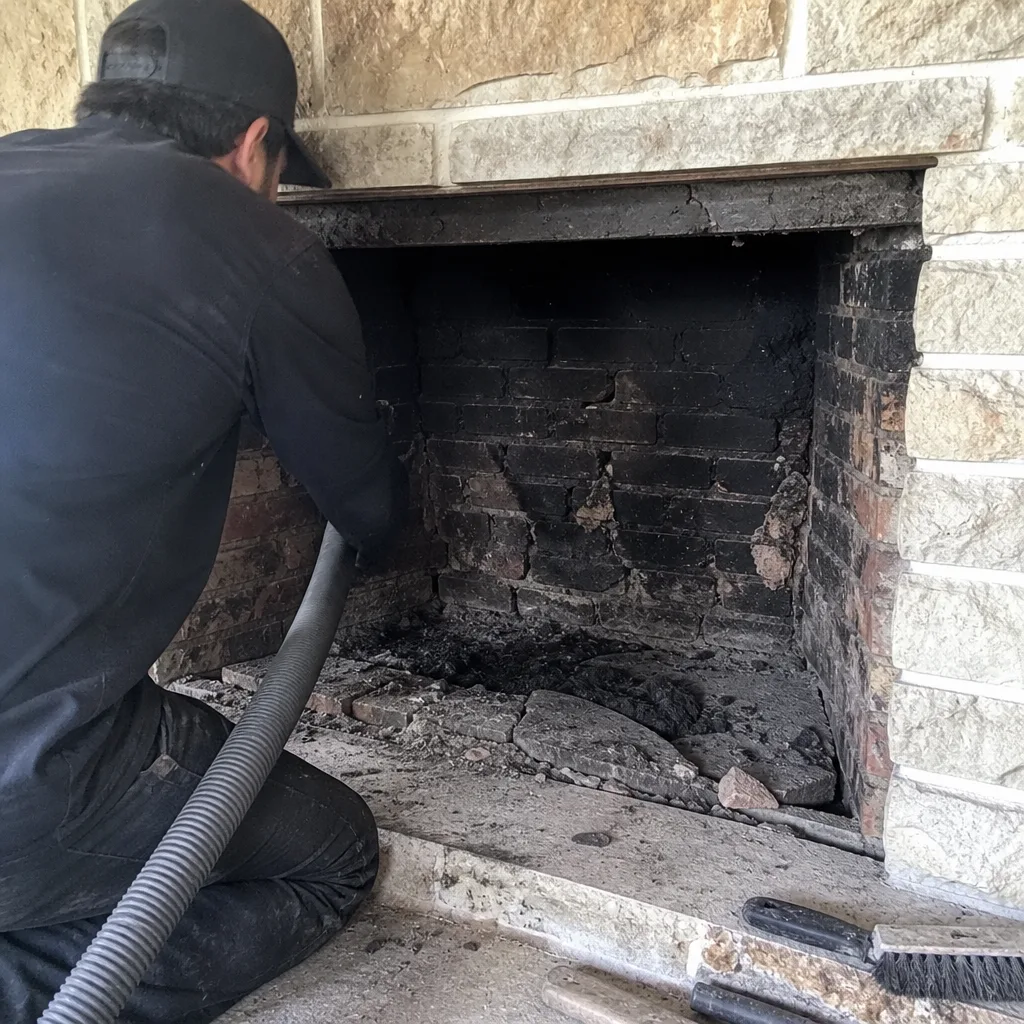 Before
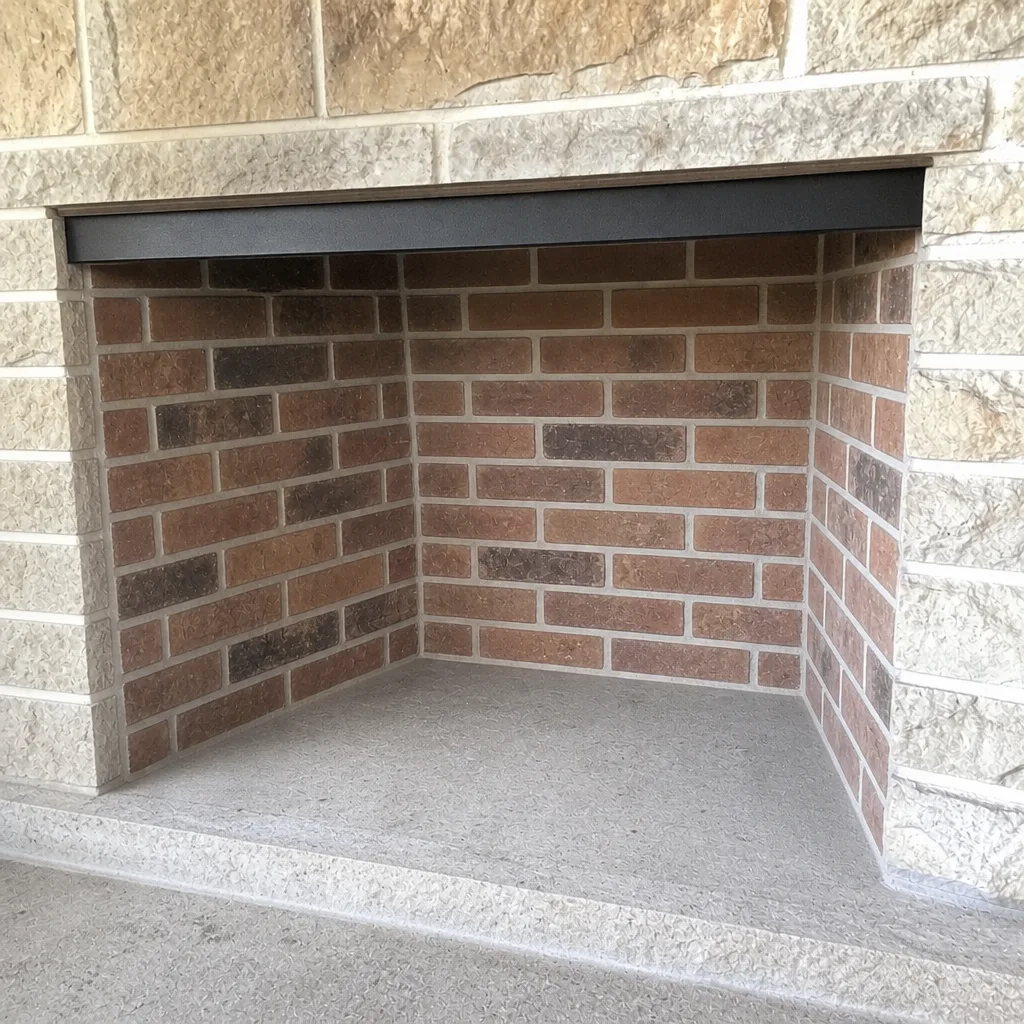 After
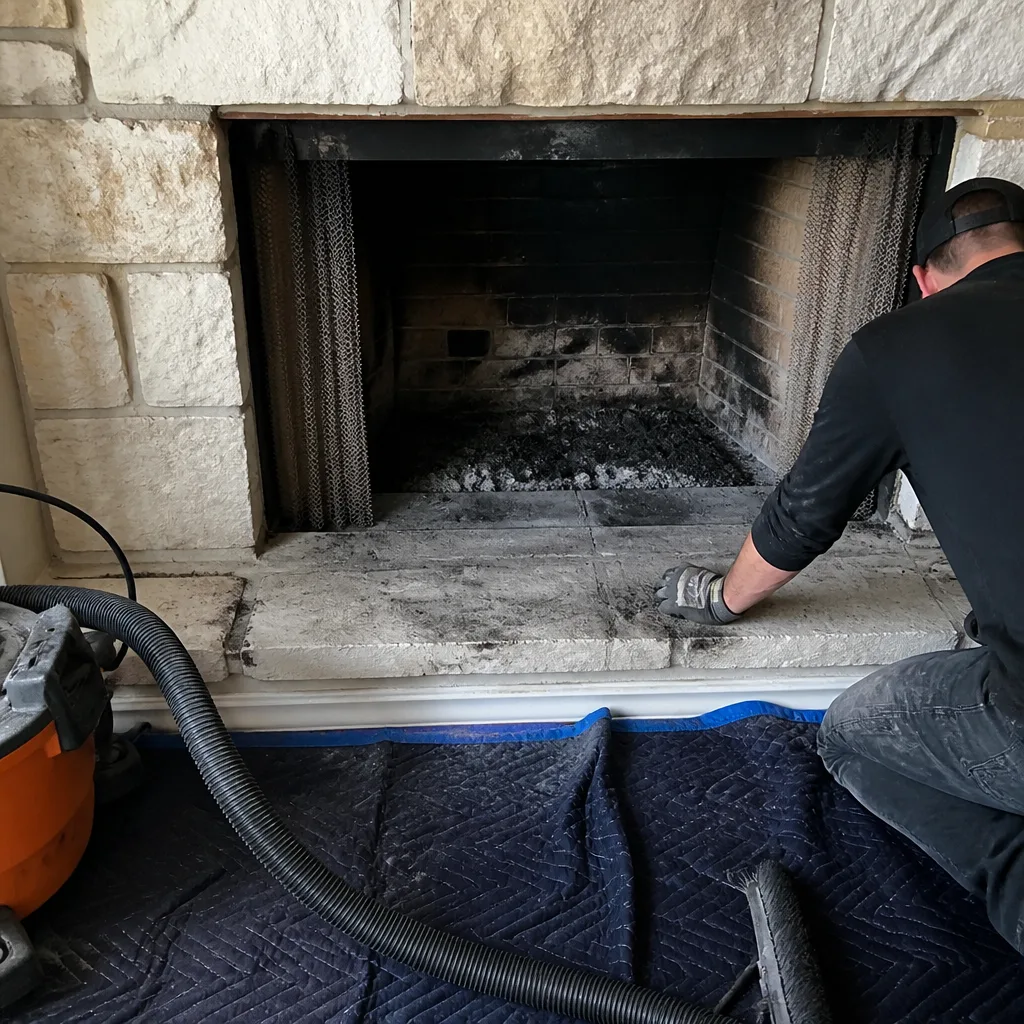 Before
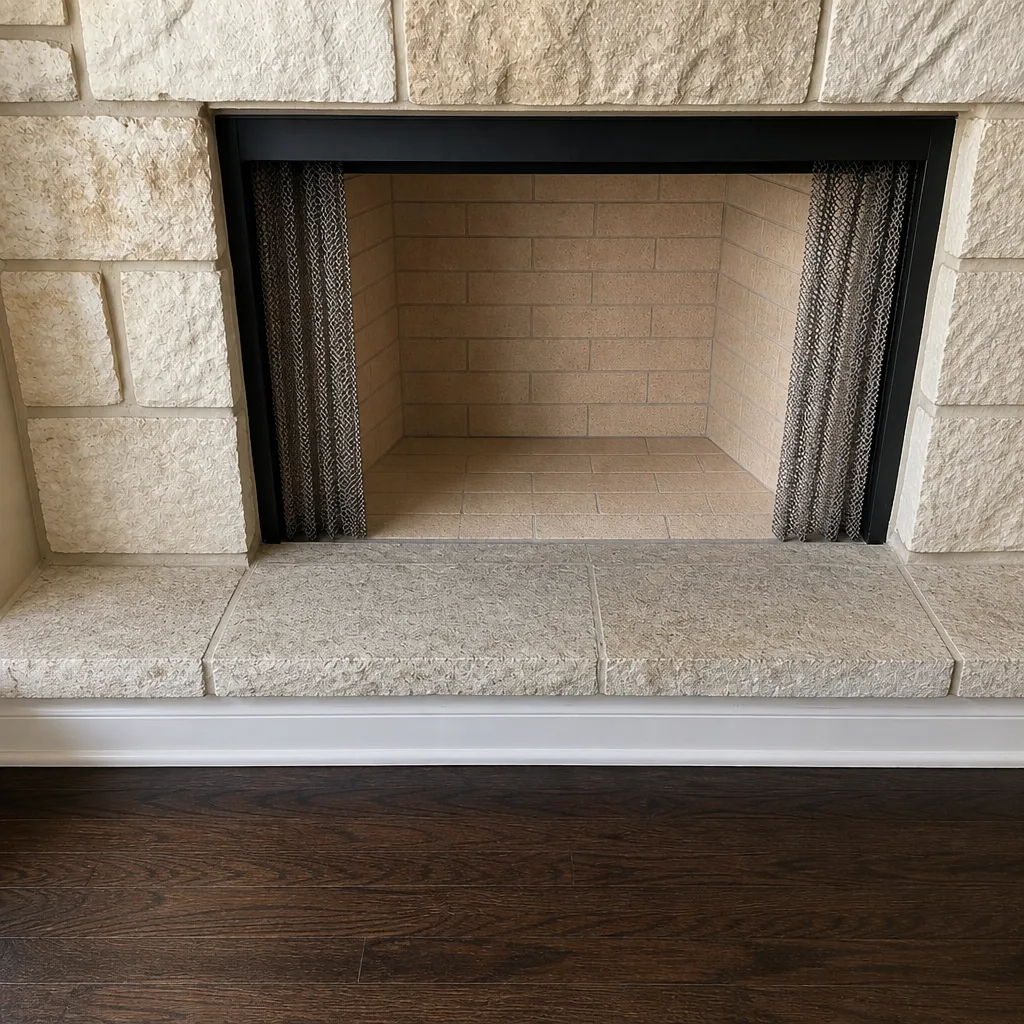 After
HeatShield Products We Service & Install in North Dallas
We service and install the HeatShield refractory product family as a whole, matched to what the firebox needs. That includes HeatShield Fireguard, the pre-cast refractory firebox liner for fireboxes past the point of resurfacing; the HeatShield Cerfractory Flue Sealant and Coating System for fireboxes and flues; HeatShield Resurfacing Mortar for firebox floor and wall restoration; and HeatShield Ceramic Fiber Flue Insulation and reline products. For a North Dallas home where the original masonry firebox has reached end of service life, these are the tools that let us restore the firebox rather than replace the whole thing. We install them, we service them, and we maintain them – one company for the coating and the chimney around it.
We Also Service These Brands
HeatShield is one part of a bigger toolkit. We’re also authorized to install and work with DuraFlex flexible chimney liner systems, a professional-grade product not available through big-box retail, and we fit Gelco chimney caps for weatherproofing. Add Olympia Chimney, Famco and Copperfield, and that’s six professional-grade product lines we work with. The point isn’t the count – it’s that the right liner, cap or resurfacing system gets matched to each chimney condition, not the only product on the shelf.
FAQs – HeatShield Chimney Cleaning Service in North Dallas
No. We’re an independent HeatShield service provider, not affiliated with or authorized by HeatShield. Our expertise comes from field experience working on HeatShield restorations in North Dallas fireboxes, how the product performs and how to test, clean and maintain it without disturbing the bonded surface. We repair, install and service HeatShield equipment with quality parts that fit it.
Yes, when the sweep knows the coating is there and adjusts the method. A cured HeatShield coating takes standard cleaning fine, but the technique has to respect the bond – aggressive scraping, the wrong brush and too much moisture can lift a compromised edge. We check the coating’s condition first, then clean to suit it. A sweep who doesn’t know HeatShield from bare brick is the risk here.
Sounding the coating decides it. We tap and probe the surface to map where the HeatShield layer has delaminated from the masonry. A defined zone of cracking or spider-cracking with a sound bond around it usually means a targeted re-coat will hold. Widespread delamination, powdering across the floor or a failed bond in the smoke chamber points to full resurfacing or a liner. You’ll see the findings in the inspection report before we recommend either. Call (833) 468-3242 for an exact quote – estimates are free.
It does, in a few practical ways. Keep water out – a failing crown or an uncapped flue is the enemy of a cured HeatShield coating – and don’t load logs so they strike the firebox floor hard enough to chip or erode the surface. Keep up with annual sweeps so creosote and animal debris don’t sit on the coating through the long idle summer. In North Dallas, moisture swings around freeze events are the main threat, so checking the crown and cap now and then saves the coating later.
No. Traditional refractory cement is a masonry material; HeatShield is a proprietary refractory resurfacing system with its own coating chemistry. That’s why patching one with the other doesn’t work well – a generic cement patch on a HeatShield layer can lose its bond after a heating season. Repairs need matching HeatShield resurfacing materials.
Yes, and we do one as the first step. A Level 2 inspection includes camera work in the flue and a full look at the firebox, smoke chamber and damper, so we know whether the coating failure is local or part of a bigger venting problem. It also gives you the written record that keeps any manufacturer warranty intact. We document everything with photos you keep. Call (833) 468-3242 – estimates are free.
Cleaning and inspection pricing is set per job by a written estimate, so the number depends on the firebox condition and what we find on the Level 2 inspection – not on a flat rate. We agree the price before work begins, so there’s no surprise on the invoice. Call (833) 468-3242 for an exact quote – estimates are free.
It won’t when the service is done correctly with matching materials and documented. The manufacturer warranty on a HeatShield resurfacing depends on the product going in properly and the substrate being prepped right. That’s why we use materials that fit the coating, not generic refractory cement, and why we hand you the record of what was applied. Improper repair is what puts a warranty at risk. Call us to talk through your coverage – (833) 468-3242.
Book Your HeatShield Service in North Dallas, TX
Whether your HeatShield firebox needs a cleaning, a re-coat or a full assessment, we’ll inspect it first and tell you what the coating is actually doing before we quote a repair. Straight findings, documented with photos, matched to the right product for the job. Call (833) 468-3242 for a free estimate. We answer 24/7. Fast dispatch from 7am to 7pm, Sunday through Friday.
Written by the team at Chimney Sweep North Dallas.