
Last updated November 25, 2026
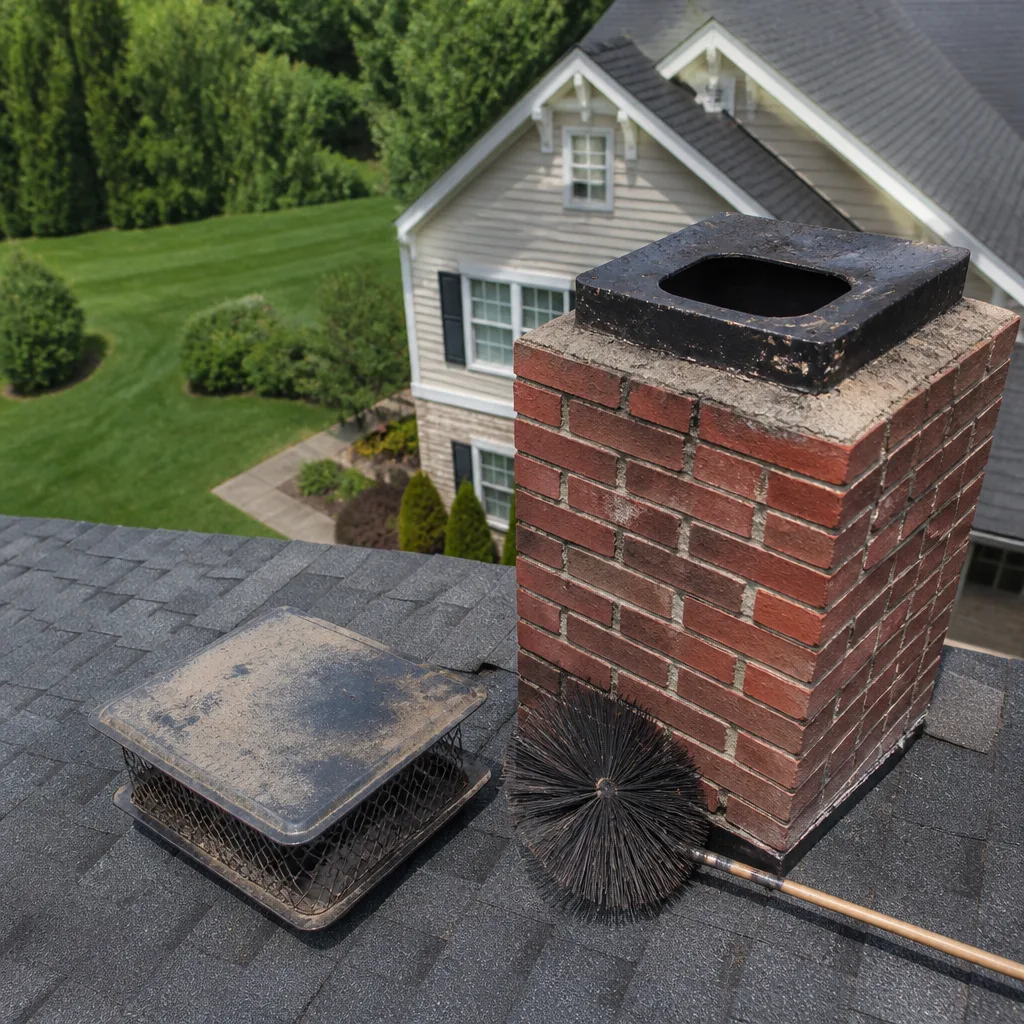 Sweep & inspection
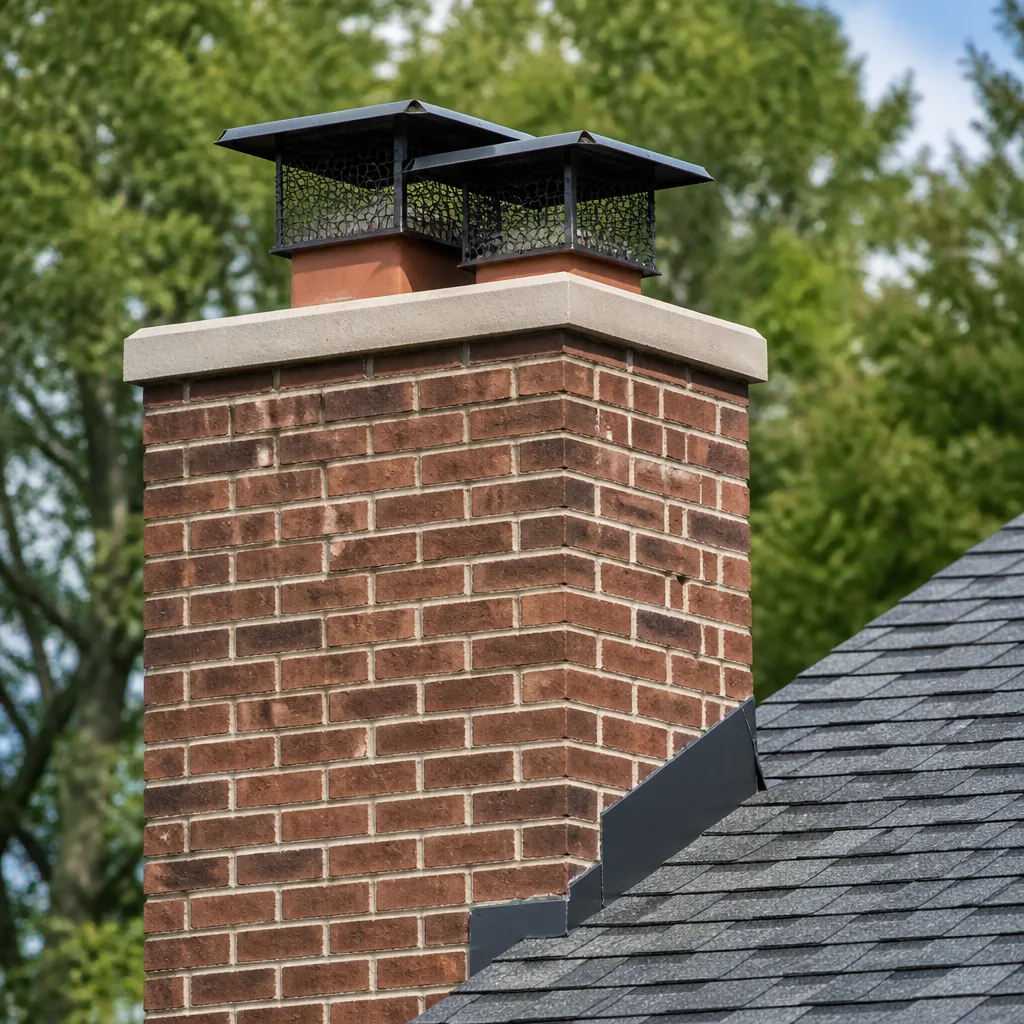 Caps & crowns
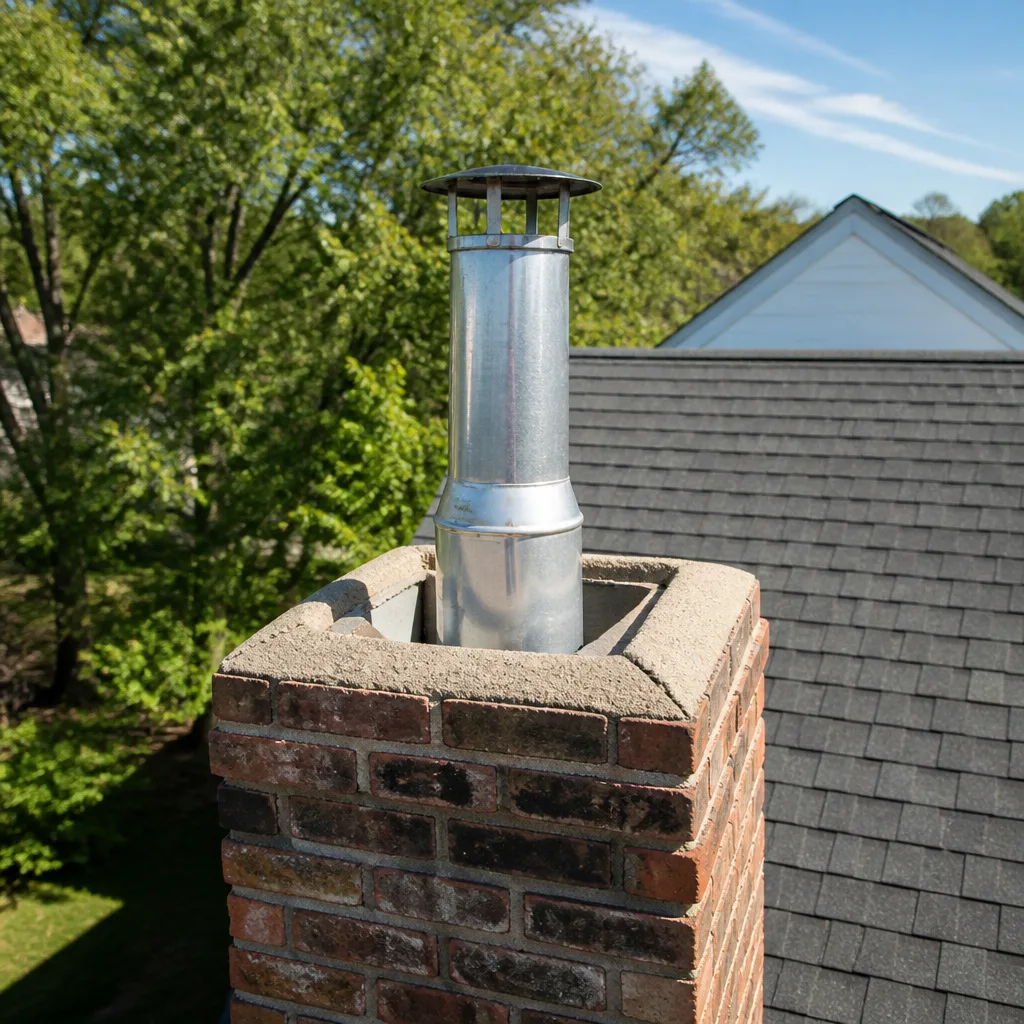 Flue relining
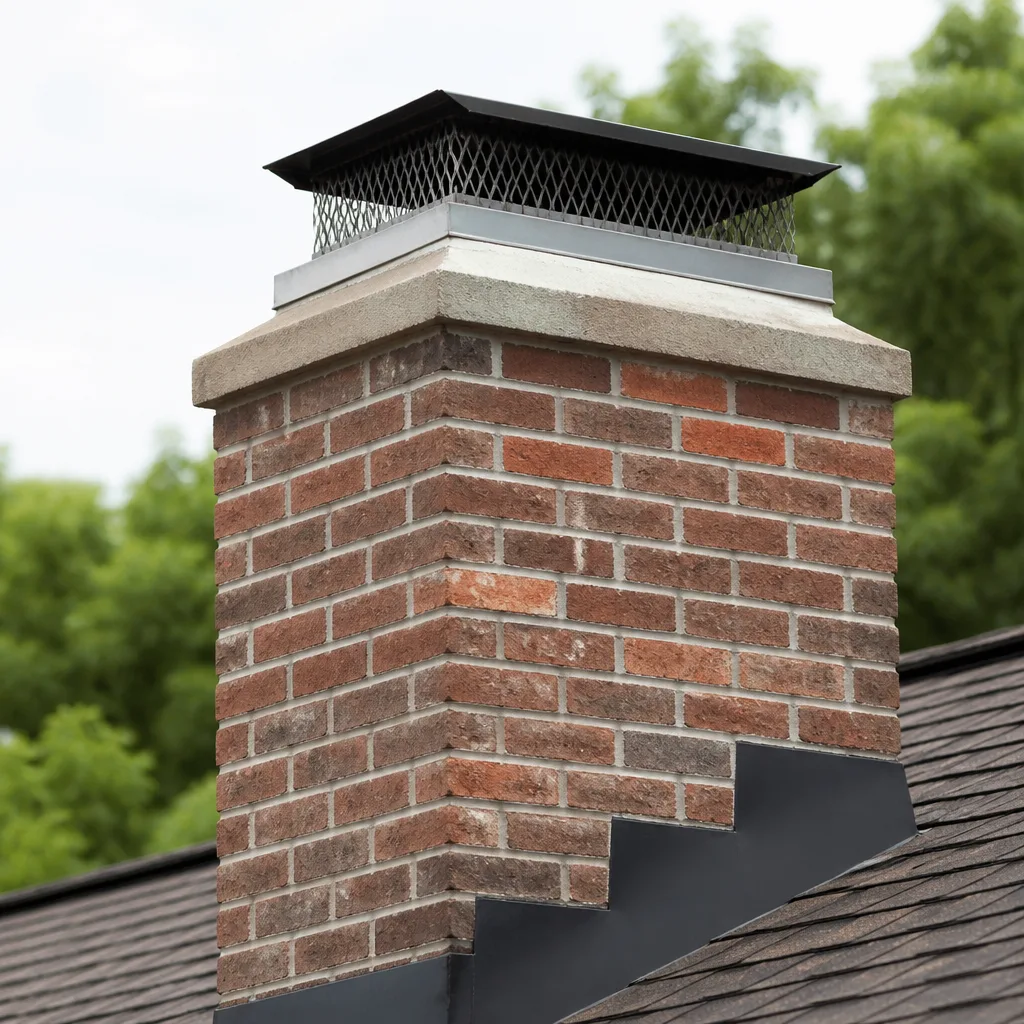 Masonry repair
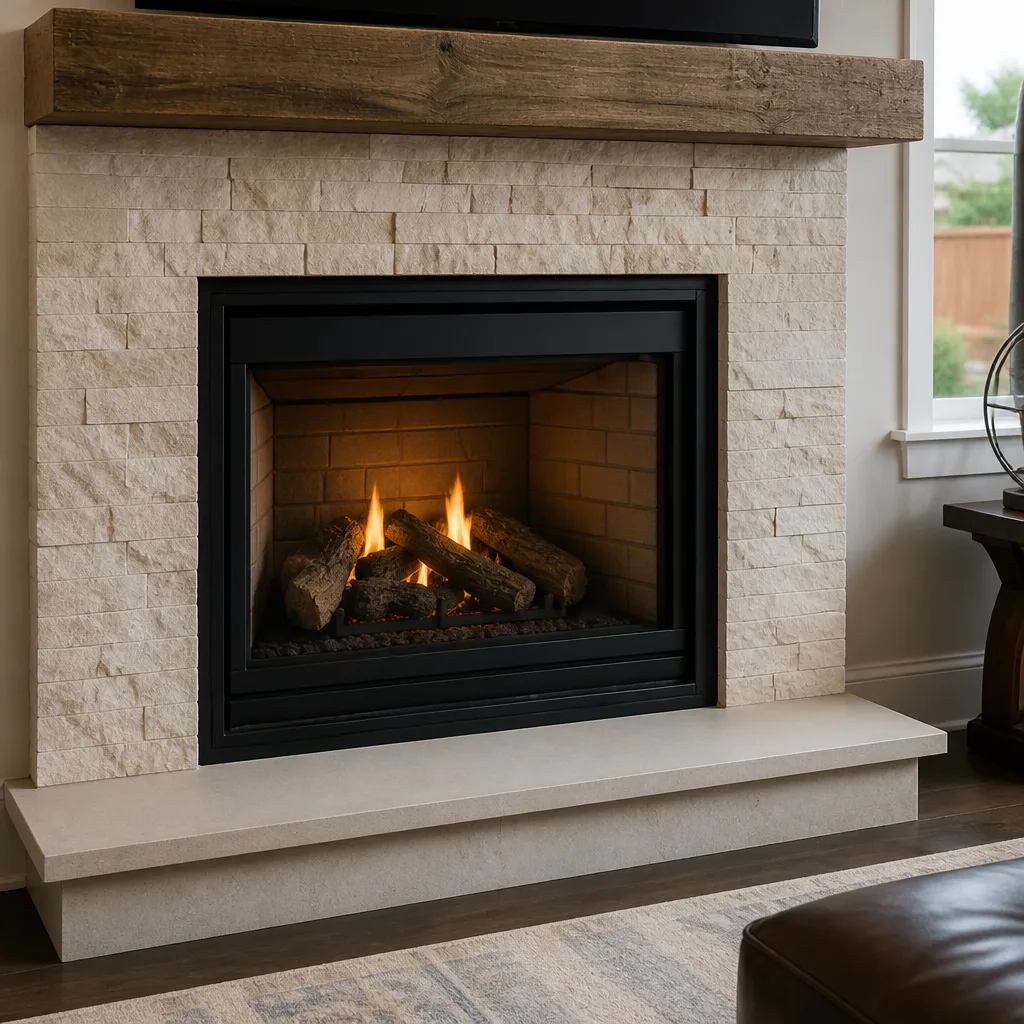 Gas fireplace service
Level 1 sweep and inspection to the NFPA 211 annual standard - flue, crown, cap, and flashing checked and photographed
Chimney sweep logs do not sweep chimneys. They loosen some creosote - which then falls where a brush and vacuum still have to collect it.
The Complete Guide to Chimney Cleaning in North Dallas
Most chimney fires we’re called out to inspect weren’t caused by chimneys that had never been cleaned. They were caused by chimneys that had been cleaned halfway. A technician ran a brush down the flue, called it done, and left glazed creosote baked onto the smoke shelf, the damper ledge, and the seams where liner sections meet. Those are exactly the spots a hot ember finds first. In North Dallas, where clay soil shifts under pier-and-beam foundations and cracks crowns that most homeowners never look at, a partial sweep leaves more risk behind than people realize. This guide maps every component of the chimney system from cap to firebox, explains what each one does, how it fails, and what a real cleaning actually involves before you call anyone.
Quick Answer
Chimney cleaning in North Dallas is a full-system service, not a flue brush and a wave goodbye. A proper job covers the cap, crown, flue, smoke chamber, damper, and firebox, with a camera inspection to document what’s actually inside before anything is recommended. How often you need it depends on how much you burn, but the standard rule is an annual inspection and a sweep whenever creosote reaches about an eighth of an inch.
Styles & brands we work with
- Sweep & inspection
- Caps & crowns
- Flue relining
- Masonry repair
- Gas fireplace service
Table of Contents
- Why a Partial Sweep Is Worse Than No Sweep
- The Three Stages of Creosote and What Removes Each One
- North Dallas Clay Soil, Pier-and-Beam Foundations, and Crown Cracking
- Gas Inserts vs. Wood-Burning: Two Different Chimneys Under One Roof
- Level 1, Level 2, and Level 3 Inspections Explained
- What Gets Inspected vs. What Gets Swept
- What Chimney Cleaning Costs in North Dallas
- How Often North Dallas Homeowners Actually Need a Sweep
Why a Partial Sweep Is Worse Than No Sweep
A chimney that has never been touched is dirty, but it’s predictably dirty. A chimney that’s been “swept” by someone who only worked the straight run of the flue is different. The brush passes through, the visible soot disappears, the firebox looks clean, and the homeowner has every reason to believe the job is finished. Meanwhile the deposits that actually matter are still there: the tar baked into the smoke chamber above the damper, the glaze on the firebox walls, the creosote wedged into the offset where the flue bends around a roofline.
Those leftover deposits sit closer to the fire than anything in the straight flue. When they ignite, the result is a chimney fire that often goes unnoticed because the firebox still looks normal from inside the house. In our experience, the most common version of this in North Dallas is a chimney that’s been “cleaned” annually by a generalist who never inspected above the damper. The homeowner did everything right on paper; the system was still at risk.
A complete sweep includes:
- The flue itself from the top down or bottom up, depending on the chimney’s design and access.
- The smoke chamber, the sloped space above the damper that funnels smoke into the flue. This is where glazed creosote hides.
- The smoke shelf, the ledge behind the damper where debris collects and slows draft.
- The damper, checked for operation, warping, and rust.
- The firebox walls, inspected for cracks in the refractory masonry.
- The cap and crown at the top, which most sweep-only companies skip entirely.
If a sweep quote doesn’t mention the smoke chamber or the cap, that’s your signal to ask what’s actually included. When you book a chimney sweep through us, the scope is spelled out before anyone climbs on the roof.
The Three Stages of Creosote and What Removes Each One
Creosote isn’t one substance. It’s a family of deposits that form as wood smoke cools on its way up the flue, and the stage it reaches determines what it takes to remove it. Not every sweep can handle Stage 3, and that gap is where most of the real risk in North Dallas chimneys lives.
Stage 1: Soot and Light Flake
Fresh, powdery, dark gray and easily brushed off. This is what a chimney looks like after a season of moderate burning. A standard flue brush handles Stage 1 completely, and a routine annual sweep keeps it from progressing. Most homeowners who burn a few cords a year and have their chimney cleaned regularly never see anything past this stage.
Stage 2: Tar Deposits
Sticky, dark, and harder to remove. This is where creosote starts clinging to the flue walls and the smoke chamber, and where a brush alone starts to fall short. Stage 2 deposits often need chemical treatment or a rotary cleaning method before the brush can do its job. Burning unseasoned wood or restricting the air supply to stretch a burn accelerates this stage, both of which are common in North Dallas homes that burn on cool winter evenings.
Stage 3: Glazed Creosote
Hard, shiny, and baked onto the flue surface like a ceramic coating. Stage 3 creosote is the most flammable stage and the most stubborn. A standard brush glides right over it. This is the deposit we most often find in chimneys that were swept repeatedly but never thoroughly. Removing glaze takes rotary tools, chemical agents, or in some cases resurfacing with products like HeatShield, which is designed to smooth and seal the flue surface so future creosote has nothing to grip. If a technician tells you your chimney is clean but hasn’t mentioned the condition of the smoke chamber, ask.
North Dallas Clay Soil, Pier-and-Bean Foundations, and Crown Cracking
Most chimney guides are written as if the chimney floats in space. In North Dallas, it doesn’t. It sits on clay soil, and that clay moves. The expansive clay beneath much of the area swells when it’s wet and shrinks when it dries out, and it does this on a seasonal rhythm that pulls on foundations year after year. Pierce-and-beam and slab foundations absorb that movement differently, but the chimney at the edge of the house takes the brunt of it.
The crown is the concrete cap at the very top of the chimney, sloped to shed water away from the flue. When the foundation shifts even slightly, the crown cracks. Once it cracks, water gets into the masonry, and moisture in a chimney does two things: it degrades the mortar joints, and it cools the flue gases faster as they rise. Cooler gases deposit more creosote on the way up. So a cracked crown doesn’t just cause a leak and a stain on the ceiling. It accelerates creosote buildup throughout the flue.
A North Dallas homeowner who sweeps annually but never looks at the crown can be doing the right thing every year and still losing ground. The order of operations matters:
- Inspect the crown for hairline cracks, spalling, and separation from the flue tile.
- Check the cap for rust, loose fasteners, and animal intrusion.
- Sweep the flue and smoke chamber only after the top of the chimney is sound.
- Repair the crown before another wet season puts more water into the masonry.
This is why we handle chimney cap & crown work as part of the same visit. A sweep that ignores the top of the chimney leaves the building envelope working against the flue all year. Products like Famco and Gelco caps are designed to close that loop and keep water out of the flue between cleanings.
Gas Inserts vs. Wood-Burning: Two Different Chimneys Under One Roof
Gas fireplace inserts are common in North Dallas homes, and a lot of homeowners assume a gas fireplace doesn’t need chimney service. It does, but for different reasons. Gas burns clean in the sense that it produces very little creosote, so the fire-hazard picture is different. What gas does produce is water vapor and acidic byproducts that condense on the inside of a cool flue. That condensate is corrosive, and on a masonry chimney it attacks the mortar joints and the flue tile from the inside out.
That means the inspection protocol for a gas insert is different from a wood-burning unit:
- We look for moisture staining and efflorescence on exterior masonry, which points to condensation.
- We check the liner for corrosion and joint deterioration, because a wood-burning liner and a gas liner have different exposure requirements.
- We verify the vent termination and cap, since a partially blocked gas flue produces carbon monoxide, not smoke standing on the ceiling to warn you.
- We confirm that a gas appliance is vented through the appropriate liner, not just the old flue tile it was connected to.
Carbon monoxide is the safety reason to keep up with gas chimney inspections, and it’s a reason to take the annual inspection seriously even when the fireplace hasn’t been lit in months. Homes with both a wood-burning fireplace in the living room and a gas insert in a den end up with two different service protocols in the same house. When you schedule one visit for both, the sweep scope and the inspection level can be different for each, and we’ll tell you which is which before work starts.
Level 1, Level 2, and Level 3 Inspections Explained
A sweep and an inspection aren’t the same thing, and a “Level 2” is not just a longer Level 1. In the chimney trade, inspections are categorized by how deep they go and what tools they use, and the category you need changes with what’s happened to the chimney.
Level 1 Inspection
Readily accessible portions of the chimney with the standard tools a technician carries: a flashlight, a mirror, and a camera. It’s the routine annual inspection performed when nothing in the system has changed. A Level 1 covers the firebox, damper, smoke chamber, and the accessible flue. It doesn’t call for a camera run through the entire flue or a look at concealed areas.
Level 2 Inspection
The next step up, and the one that matters most in Dallas-area real estate transactions. A Level 2 includes everything in a Level 1 plus a full video camera scan of the flue and inspection of accessible attic, crawl space, and roof areas. Homeowners need a Level 2 in several situations:
- Before buying or selling a home. Most real estate contracts in the Dallas area expect a Level 2 or equivalent before closing, and a standard sweep certificate won’t satisfy it.
- After a chimney fire, even a small one, because heat damage can be invisible from the firebox.
- After any structural change to the chimney or heating appliance, including a new liner or a change in fuel type.
- When the home has changed hands and the new owner has no service history.
- When the chimney has been in a seismic or storm event that could have shifted masonry.
Level 3 Inspection
The deepest level, which includes access to concealed areas of the chimney structure. It’s not routine; it’s performed when a Level 2 has identified a serious defect that can’t be evaluated without opening something up. A Level 3 is where a structural problem gets confirmed before a rebuild, and it’s not a service you schedule on your own without a documented reason.
When you book an inspection, ask which level is being performed and what it covers. A standard sweep with a Level 1 inspection is right for most annual maintenance. A Level 2 is what you need when the stakes are higher. We document each inspection and share the camera findings so you can see what we saw.
What Gets Inspected vs. What Gets Swept
The chimney has six main components, and each one has a different relationship to cleaning and inspection. Treating them all the same is how owner after owner ends up with a chimney that looks clean and still isn’t safe.
- Cap: Inspected only, never swept. A chimney cap protects the flue from rain, animals, and downdraft. A damaged or missing cap is one of the leading causes of water intrusion, and most sweep-only visits don’t check it at all. Famco and Gelco caps are what we reach for most often in North Dallas because they’re built to handle the wind and weather this region throws at a roofline.
- Crown: Inspected, and repaired when cracked. The crack pattern from clay-soil foundation movement is the biggest local issue, and it’s the step most generalist sweeps skip.
- Flue liner: Swept on the inside, inspected on the outside and along the seams. When the liner has defects beyond sweeping, HeatShield resurfacing can restore it in many cases as a targeted alternative to full replacement.
- Smoke chamber: Swept, and this is where Stage 2 and Stage 3 creosote collects. Skipping it is the single most common cause of “clean” chimneys that still ignite.
- Damper and smoke shelf: Inspected and cleaned. The shelf collects debris and ash, and a stuck damper changes how the fire burns.
- Firebox: Swept and inspected for cracks in the refractory brick and mortar. Cracks let heat into the structure behind the firebox, and this is a masonry repair, not a sweep. That’s fireplace repair territory.
A chimney is only as safe as its weakest component. When we’re on a North Dallas roof, we’re looking at all six, not just the one the homeowner called about.
What Chimney Cleaning Costs in North Dallas
Chimney cleaning in North Dallas typically runs between $180 and $350 for a standard sweep with a Level 1 inspection, depending on access, roof pitch, and how heavy the creosote load is. Add-ons like a Level 2 camera inspection or a cap replacement run higher. The number that matters is your written estimate, because every chimney is different and nobody should quote you over the phone as if it weren’t.
| Service | Typical Range | When You Need It |
|---|---|---|
| Standard sweep with Level 1 inspection | $180 – $350 | Annual maintenance, light to moderate creosote |
| Heavy creosote (Stage 2 or Stage 3) removal | $300 – $550 | Glazed deposits, restricted draft, multiple seasons without a sweep |
| Level 2 inspection with camera scan | $225 – $400 | Real estate transaction, post-fire, new ownership |
| Chimney cap installation (Famco, Gelco) | $200 – $450 | Missing, rusted, or damaged cap |
| Crown repair | $300 – $650 | Cracks from clay-soil foundation movement |
| Liner resurfacing (HeatShield) | $1,500 – $3,000 | Liner defects beyond sweeping, pitting, joint failure |
Those are typical ranges for the Dallas market, not promises; the written estimate after inspection sets the final price. We use a flat-price sweep agreed before booking, and we won’t add work to the invoice without showing you the evidence first. If you’re comparing quotes, ask each company what the base sweep covers and whether the smoke chamber and cap are included. That answer tells you more than the headline price does.
How Often North Dallas Homeowners Actually Need a Sweep
Once a year is the standard rule, and it’s usually the right answer. But “once a year” needs context, because a North Dallas homeowner who burns a fireplace insert every evening from November through February is a different case from one who burns a few fires on holiday weekends. The rule most trade professionals go by is to have an annual inspection, and schedule an actual sweep whenever creosote reaches about an eighth of an inch on the flue walls.
A more useful way to think about it in North Dallas:
- Burn a cord or more per year: schedule a sweep every burn season, plus the annual inspection.
- Burn less than a cord per year: an annual inspection tells you whether a sweep is needed that year.
- Gas insert only: annual inspection, with attention to condensation, venting, and carbon monoxide risk. Sweeping isn’t usually the priority; the liner and cap are.
- Haven’t had a service in more than two years: schedule an inspection and expect an actual sweep to be needed.
- Just bought the house: a Level 2 inspection, not a sweep, is the first call.
The mild North Dallas winters don’t change the rule more than the local climate does: cool evenings in the fall and winter produce plenty of low, slow fires that build creosote faster than a hot fire would. Burning unseasoned wood or damp wood does the same thing. The annual inspection is what catches the buildup before it becomes Stage 3.
Common Mistakes to Avoid
- Assuming a “clean” flue means a clean chimney. The smoke chamber, smoke shelf, and cap are where most of the actual risk sits. A brush down the flue is one part of a sweep, not the whole job.
- Never looking at the crown. North Dallas clay soil moves seasonally and cracks crowns that stay out of sight, and a cracked crown puts water into the chimney all year. It’s the single most-overlooked component on a North Dallas roof.
- Calling a generalist for a chimney-specific problem. A handyman who sweeps a flue can do real damage to a liner or a cap, and can’t tell the difference between Stage 2 and Stage 3 creosote. Chimney work needs chimney-specific tools.
- Skipping a Level 2 inspection before buying a home. A standard sweep certificate won’t tell you anything about the concealed part of the flue. A Level 2 with a camera is the only way to know what you’re buying.
- Burning unseasoned or damp wood to save money. Wet wood produces more creosote and more smoke than dry wood. The savings in firewood cost gets paid back in cleaning frequency.
- Ignoring the gas insert because it doesn’t smoke. A gas flue doesn’t produce visible smoke, but it does produce corrosive condensate and, if blocked, carbon monoxide. Gas appliances need annual inspections too.
- Accepting a quote with no scope in writing. Ask whether the cap, crown, smoke chamber, and liner are in scope before you agree. A cheap quote that only covers a flue brush isn’t the same service.
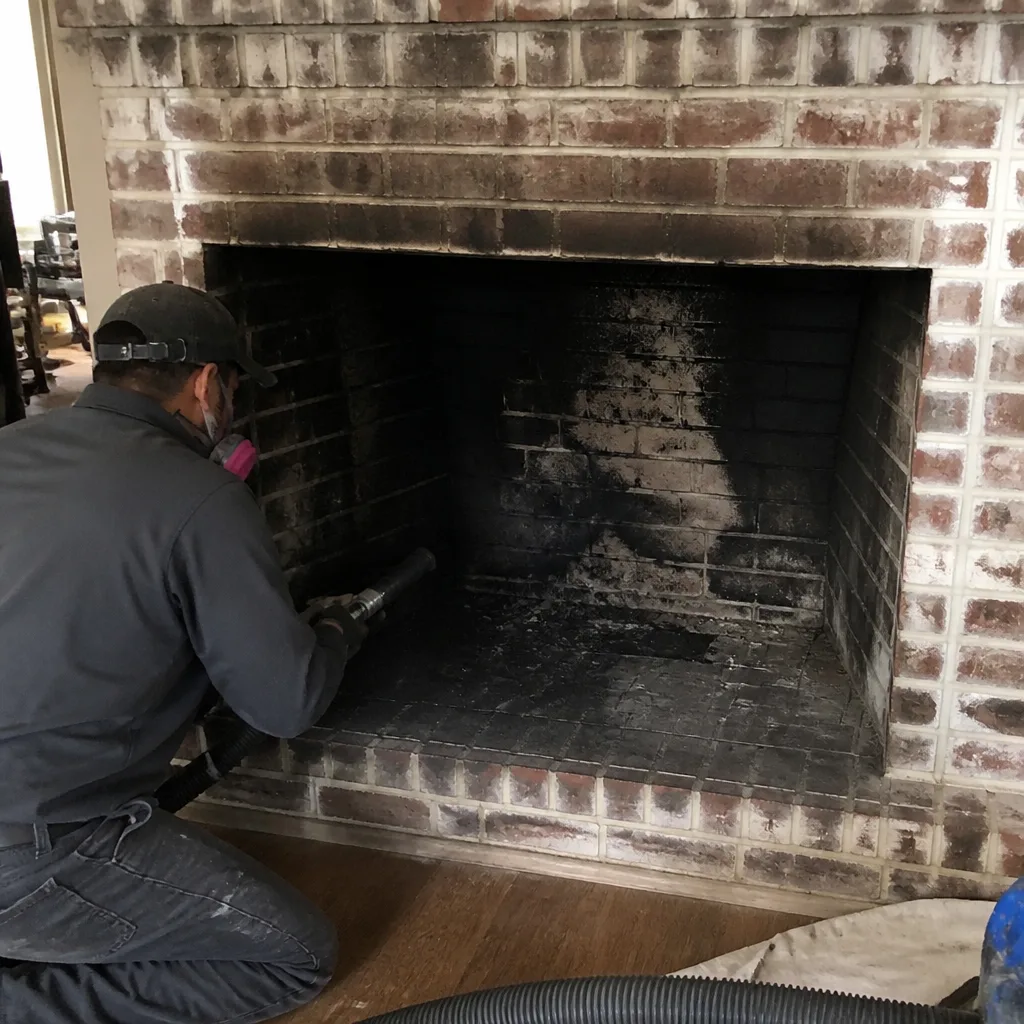
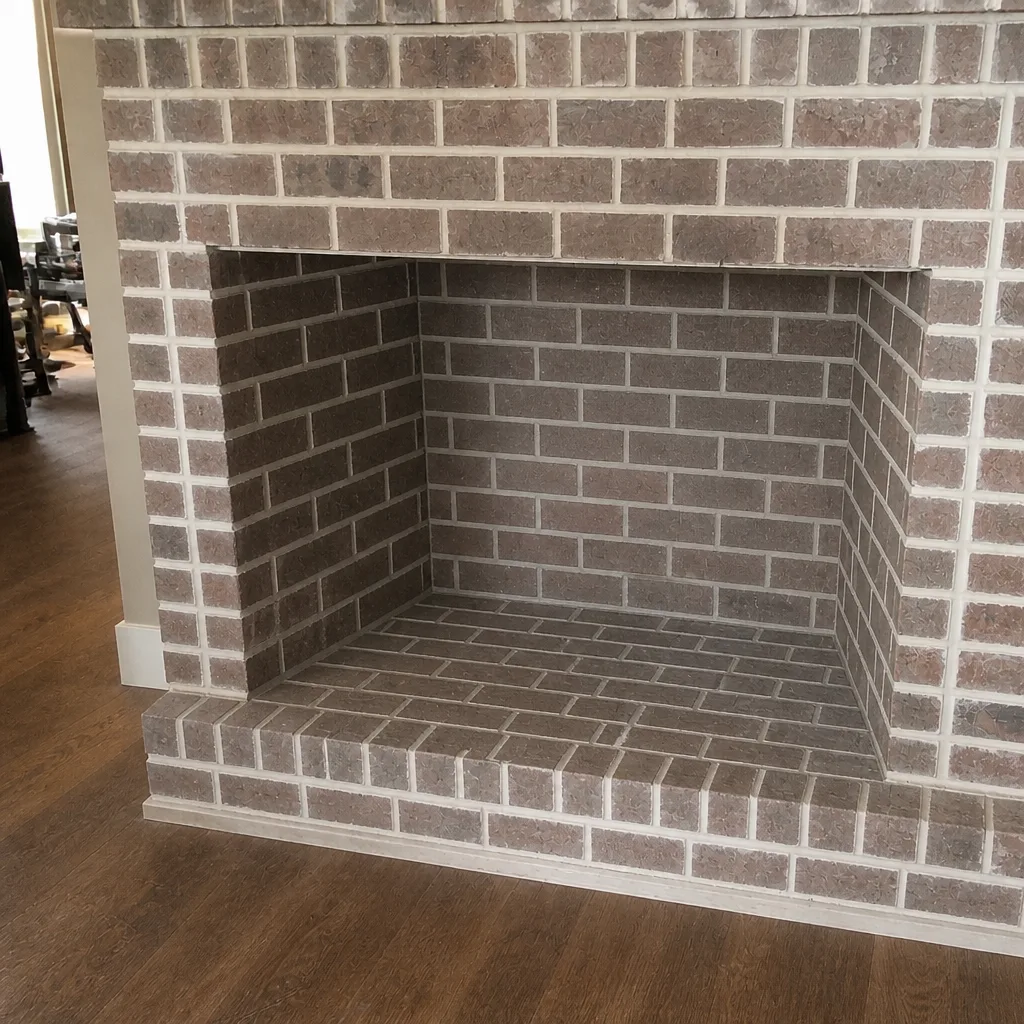
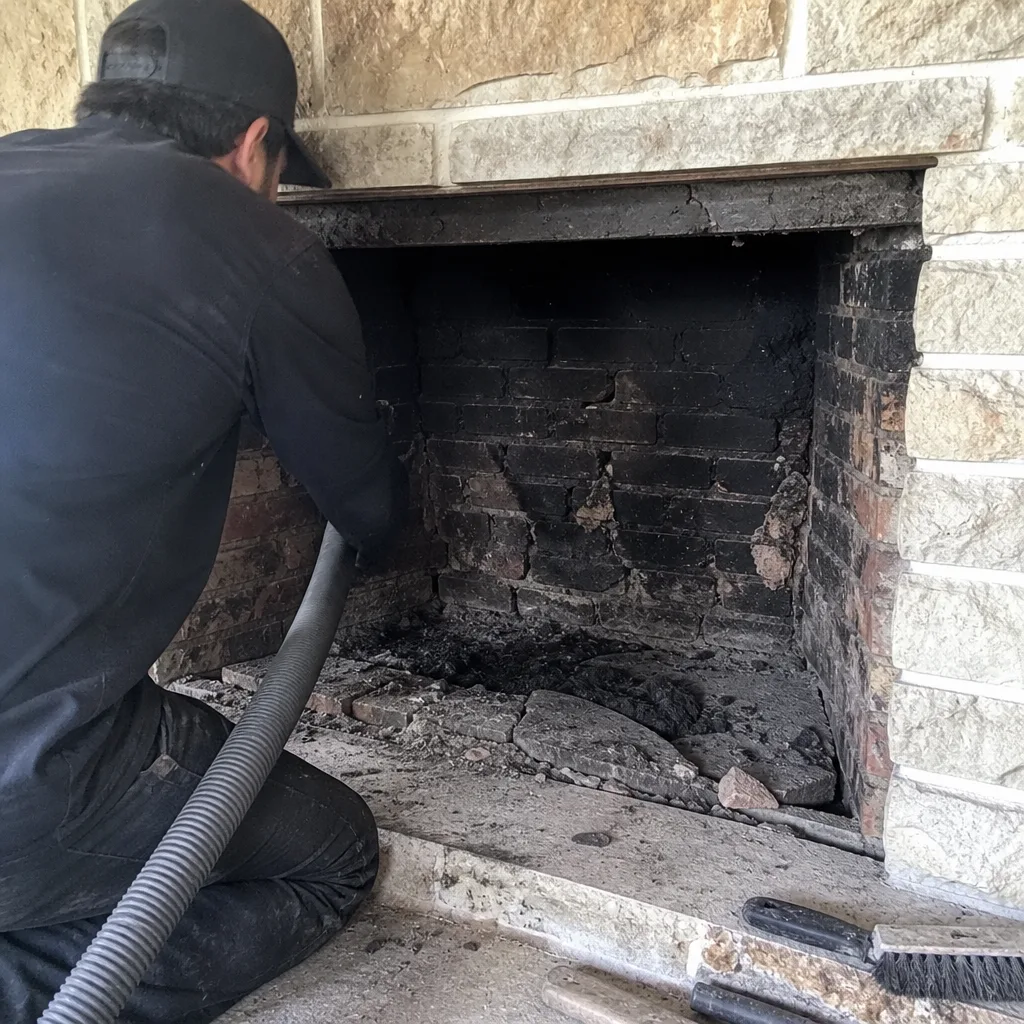
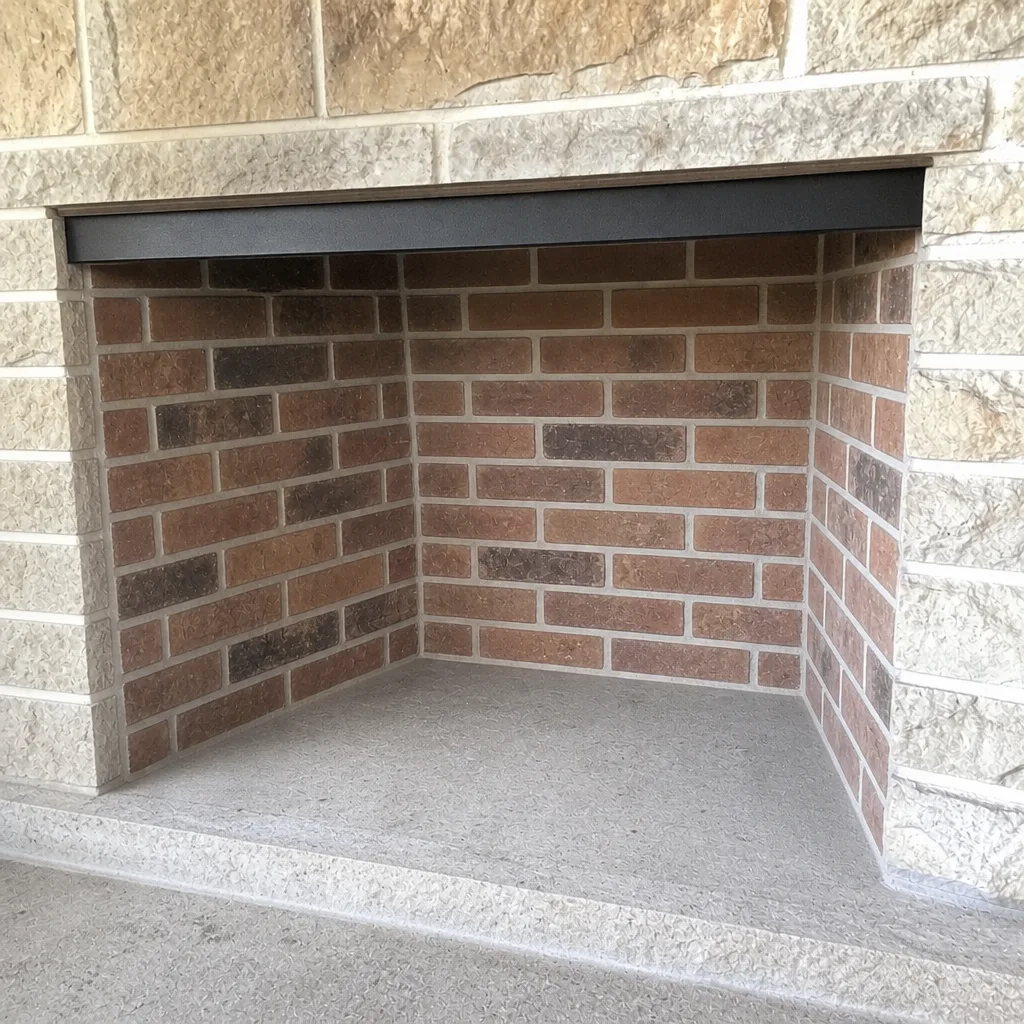
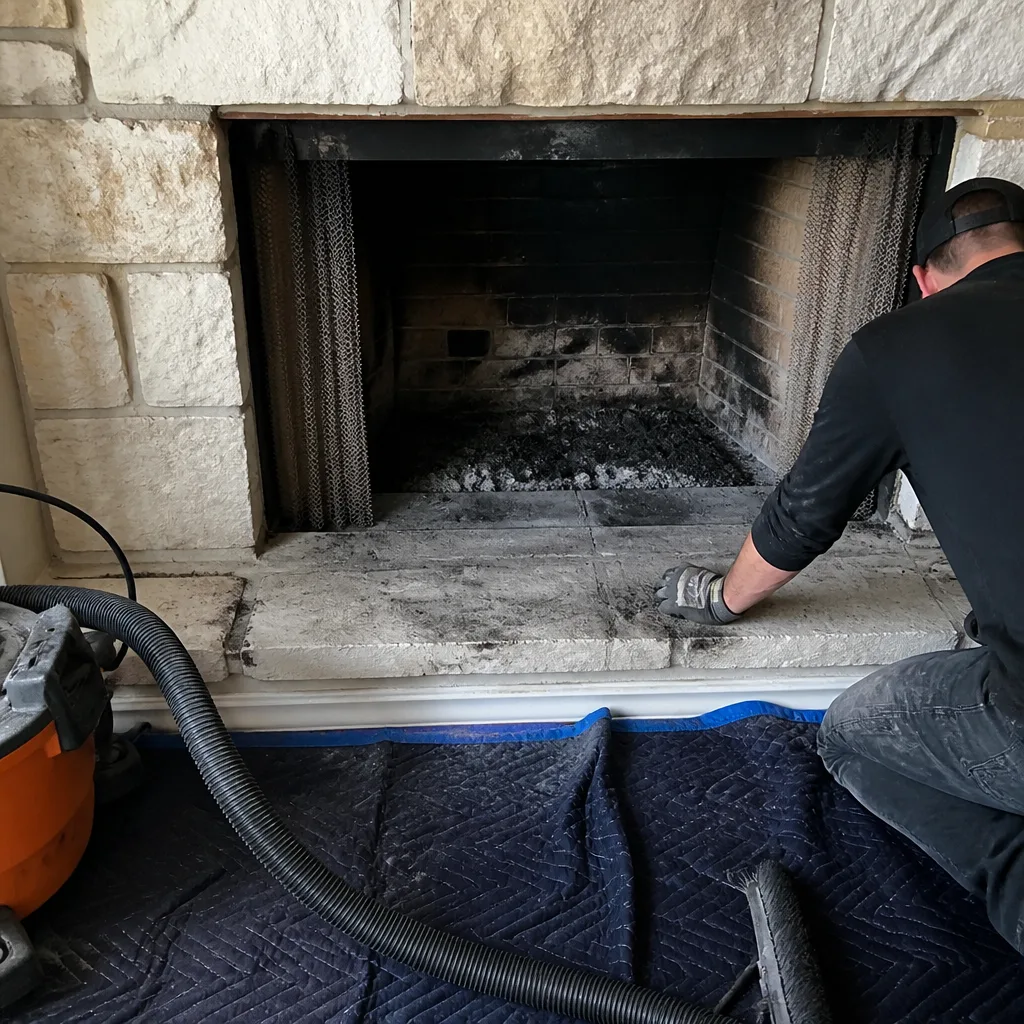
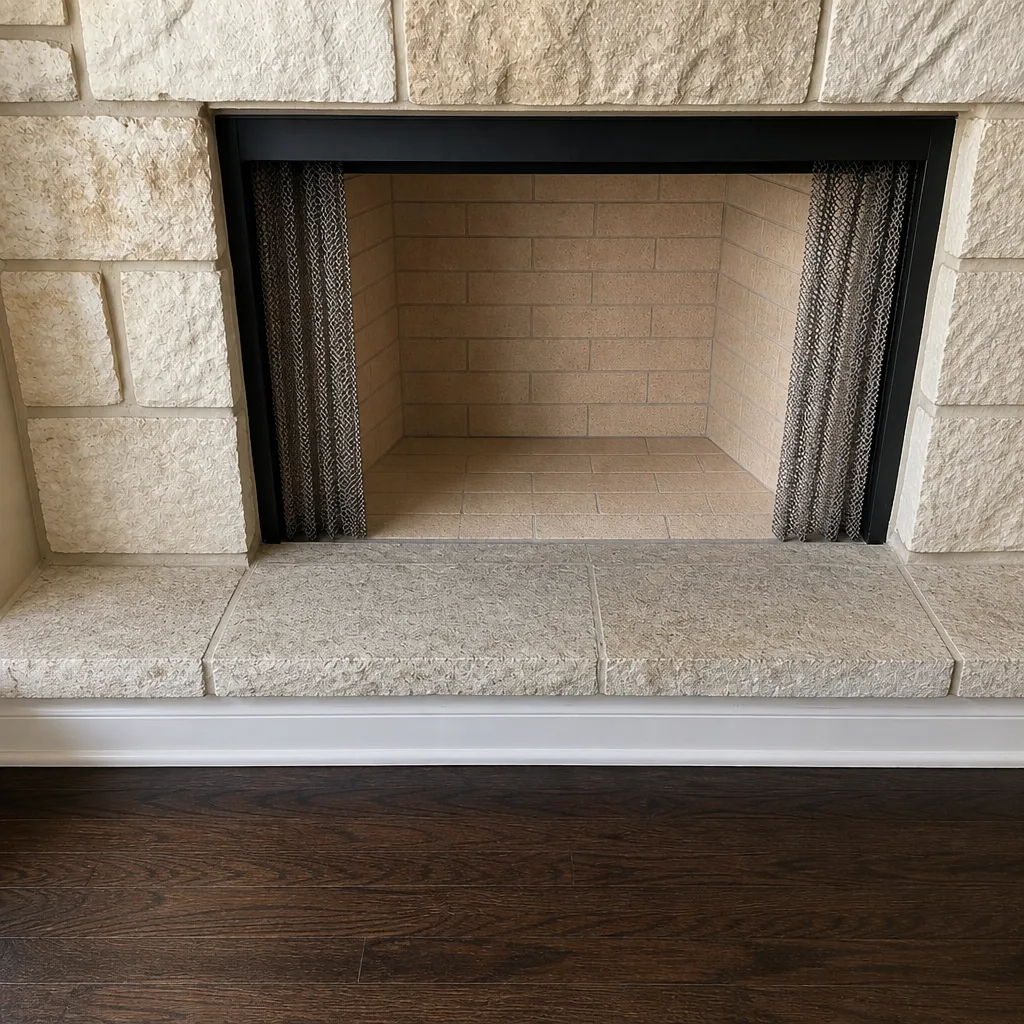
See the difference
 Before
 After
 Before
 After
 Before
 After
When to Call a Professional
Call a chimney professional if you’ve burned a cord of wood or more since your last service, if it’s been more than a year without an inspection, or if you’ve noticed weak draft, smoke rolling out of the firebox into the room, or staining on the ceiling near the chimney. A cracked crown, a missing or damaged cap, or visible deterioration around the flue tile at the top of the chimney are all reasons to call before the next burn season. If you’re buying or selling a house, or if the home has changed hands since the last documented service, a Level 2 inspection with a camera is the right first call. Chimney Sweep North Dallas offers free estimates in North Dallas and the surrounding area: call (833) 468-3242. We answer 24/7, and fast dispatch from 7am to 7pm, Sunday through Friday. Our technicians have up to 12 years of experience documenting what a chimney actually needs before anyone recommends work.
Frequently Asked Questions
Chimney cleaning in North Dallas typically costs $180 to $350 for a standard sweep and Level 1 inspection, with heavier creosote removal or add-on cap work running higher. The written estimate after the inspection sets the exact price for your chimney. Call (833) 468-3242 for an exact quote; estimates are free.
Not always, and you shouldn’t take a “new liner” recommendation on faith. In many cases, defects that would have meant a full liner replacement years ago can now be handled with HeatShield resurfacing, which smooths and seals the flue from the inside. Ask for the camera footage and the defects it shows before agreeing to either option, and ask whether resurfacing is appropriate for your flue.
Most North Dallas homeowners should have an annual inspection and schedule a sweep whenever creosote reaches about an eighth of an inch on the flue walls. A household burning more than a cord of wood per year usually needs a sweep every burn season; a lighter burner may only need one every couple of years. Call (833) 468-3242 to book an inspection and get a straight answer about whether a sweep is needed this year.
Creosote builds up on the flue, the smoke chamber, and the firebox walls, and once it reaches Stage 3 (glazed), it becomes highly flammable and much harder to remove. Skipping also lets water intrusion and crown cracks go unnoticed, which accelerates liner damage. The risk isn’t one big visible event; it’s a gradual decline in safety that only an inspection catches. Call (833) 468-3242 to get ahead of it.
A sweep physically cleans the flue, smoke chamber, and firebox. An inspection evaluates the condition of the chimney, and there are three levels: Level 1 (routine and accessible), Level 2 (full camera scan, required before real estate transactions and after fires), and Level 3 (concealed areas, performed when a defect needs confirmation). A standard appointment usually includes a sweep with a Level 1 inspection; a Level 2 is what you need before buying a house or after a chimney fire.
Yes. A gas fireplace produces water vapor and acidic condensate that corrode the flue liner, and a blocked gas flue can produce carbon monoxide without any of the visible warning signs a wood fire gives you. Annual inspection of the gas flue, cap, and vent termination is the service that matters. Call (833) 468-3242 to schedule one.
The Bottom Line
Chimney cleaning in North Dallas is a system-level service, and every component matters: the cap keeps water out, the crown protects the masonry, the liner holds the heat, the smoke chamber collects the deposits that actually ignite, and the firebox contains the fire. Skip any layer, and the rest of the system is working against itself. Get an annual inspection, know what stage your creosote is at, take crown cracking seriously in North Dallas clay soil, and get a Level 2 inspection before you buy a home. Get the written scope before you book, and get the camera findings before anything gets recommended. From the cap down to the firebox, we handle the full system, with professional-grade materials from DuraFlex, HeatShield, Famco, Gelco, Olympia Chimney, and Copperfield, chosen to match the specific condition of your chimney. If you’re ready to know exactly what your chimney needs, call Chimney Sweep North Dallas at (833) 468-3242 for a free estimate. We answer 24/7, with fast dispatch from 7am to 7pm, Sunday through Friday.
Written by the team at Chimney Sweep North Dallas.