
Last updated November 25, 2026
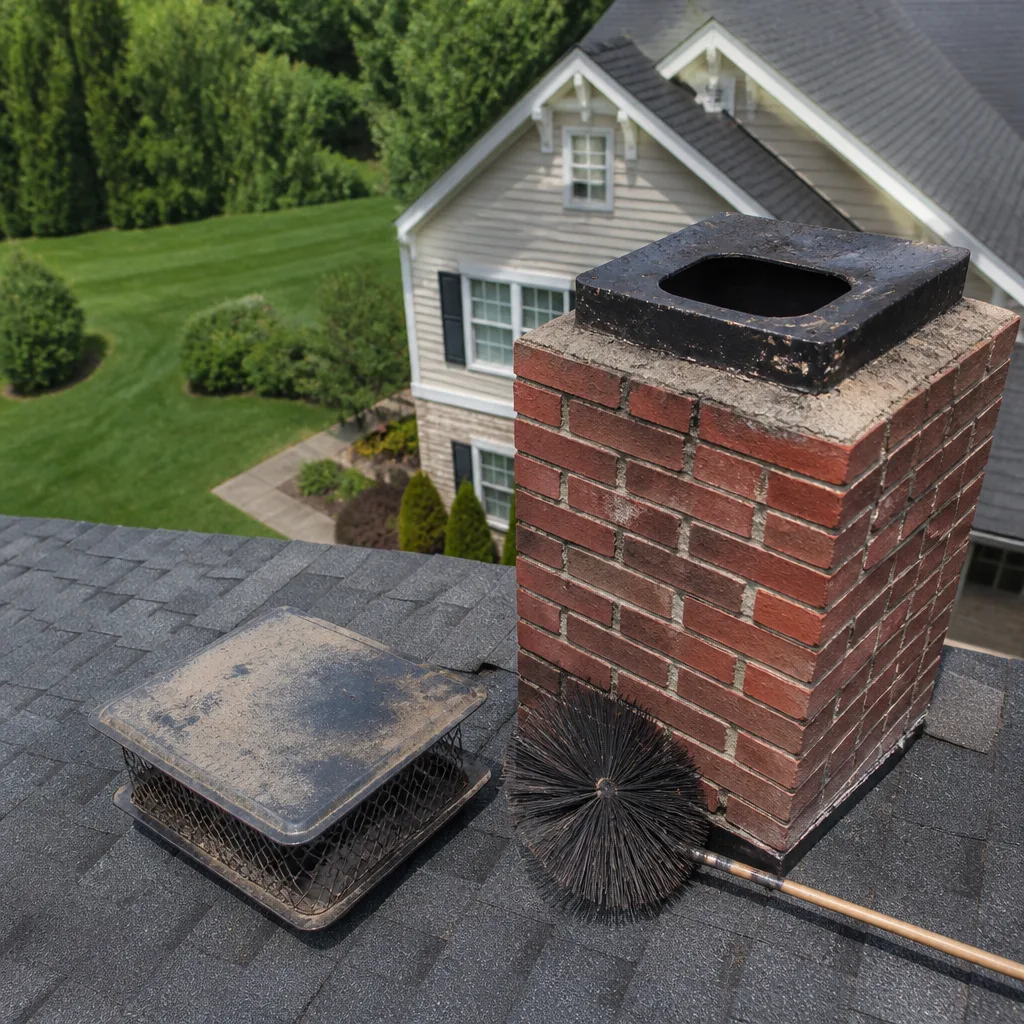 Sweep & inspection
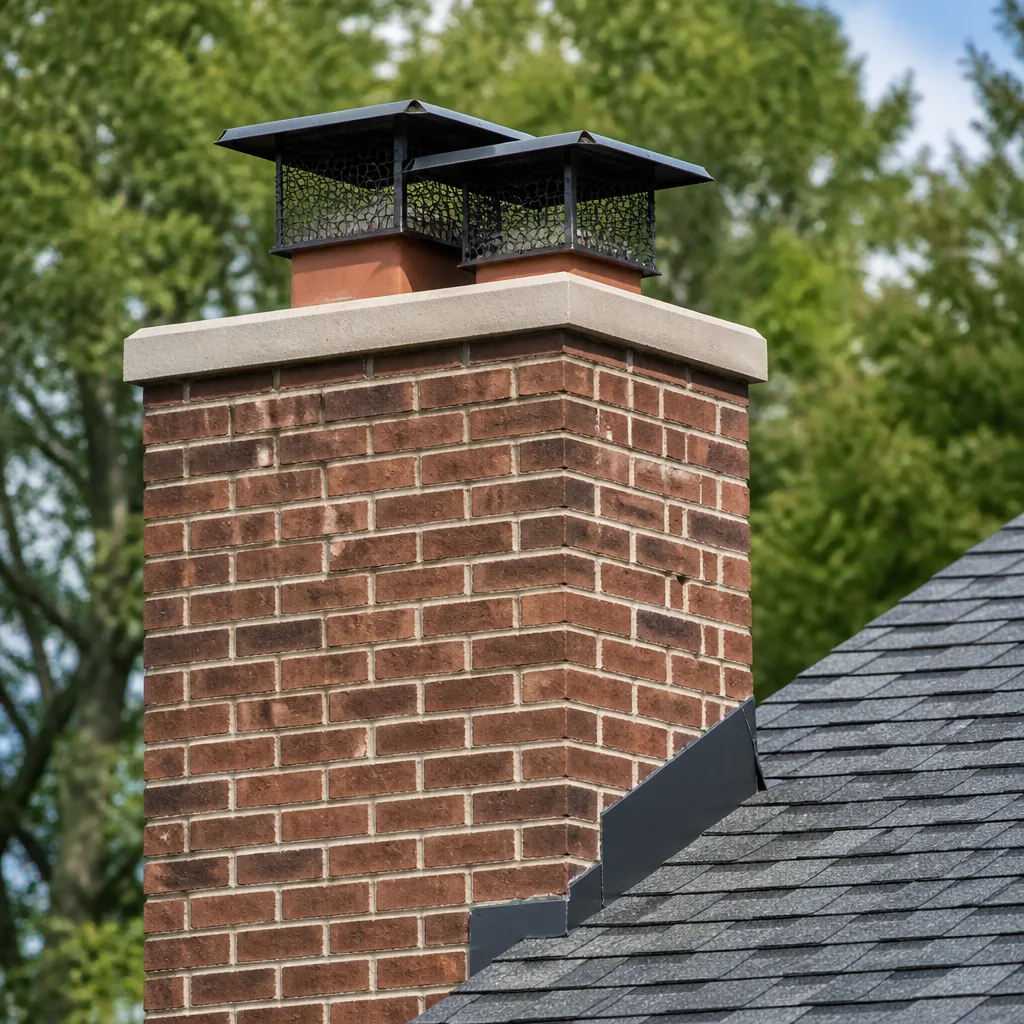 Caps & crowns
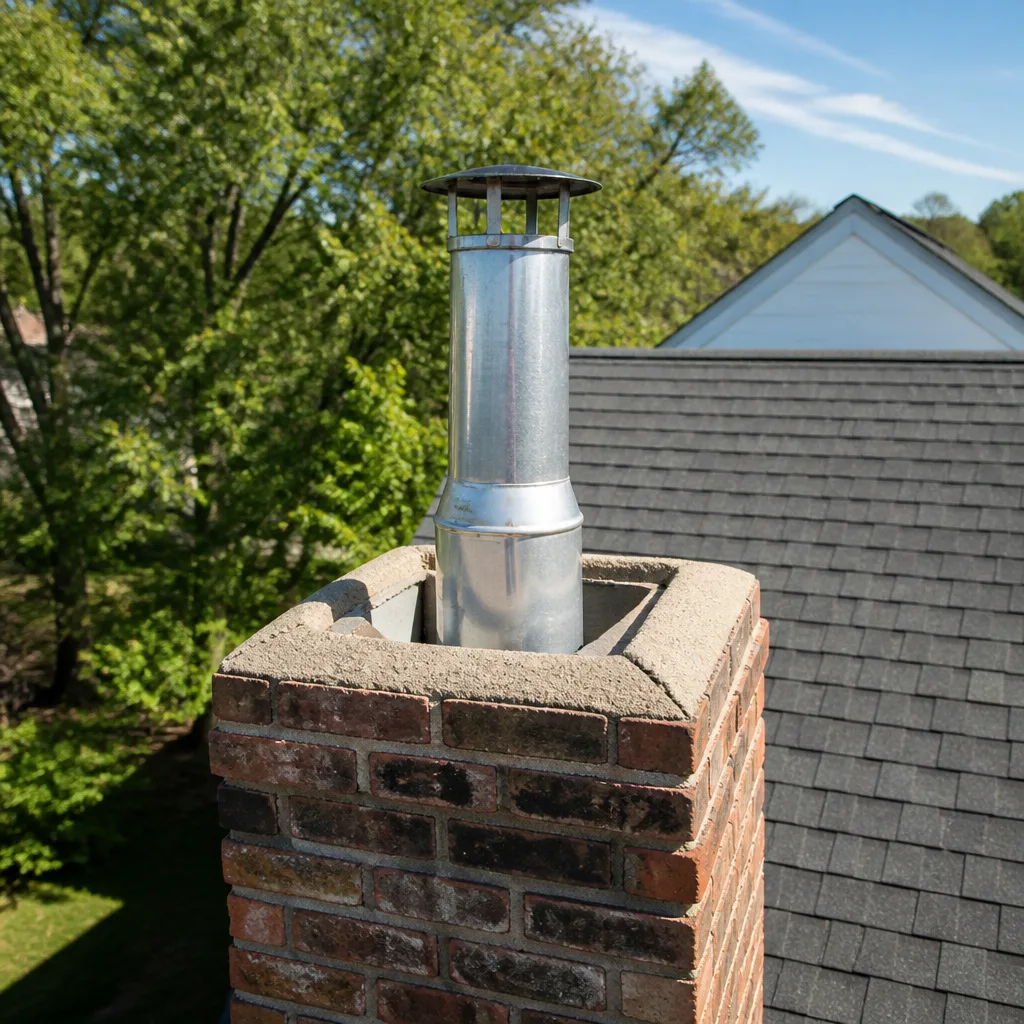 Flue relining
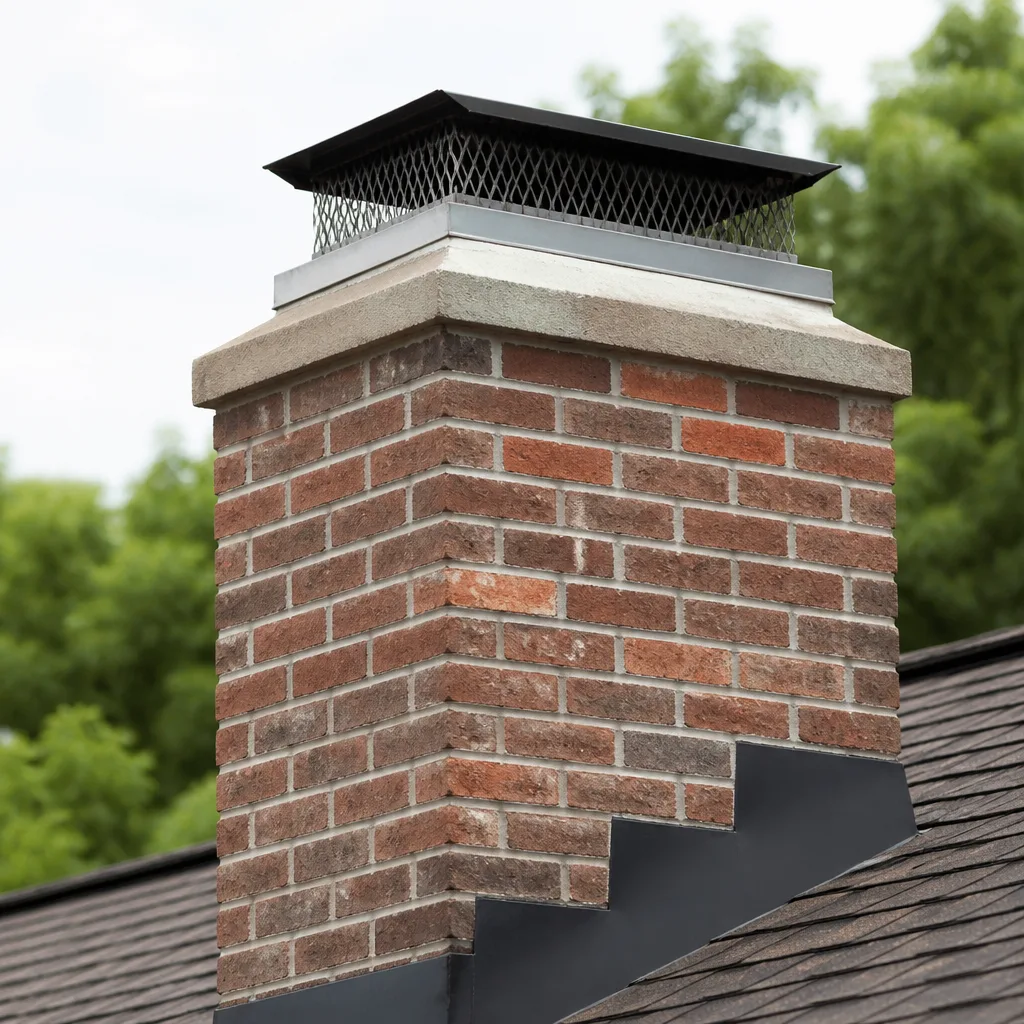 Masonry repair
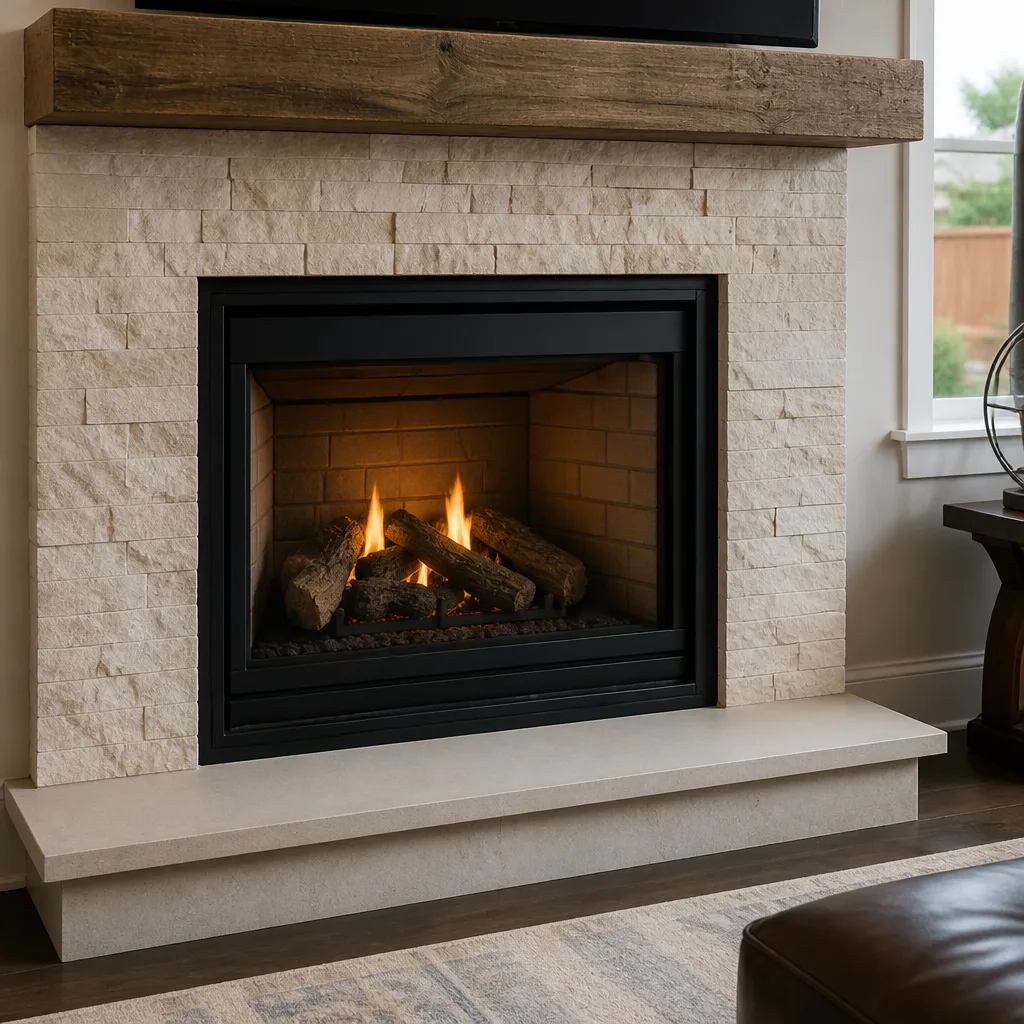 Gas fireplace service
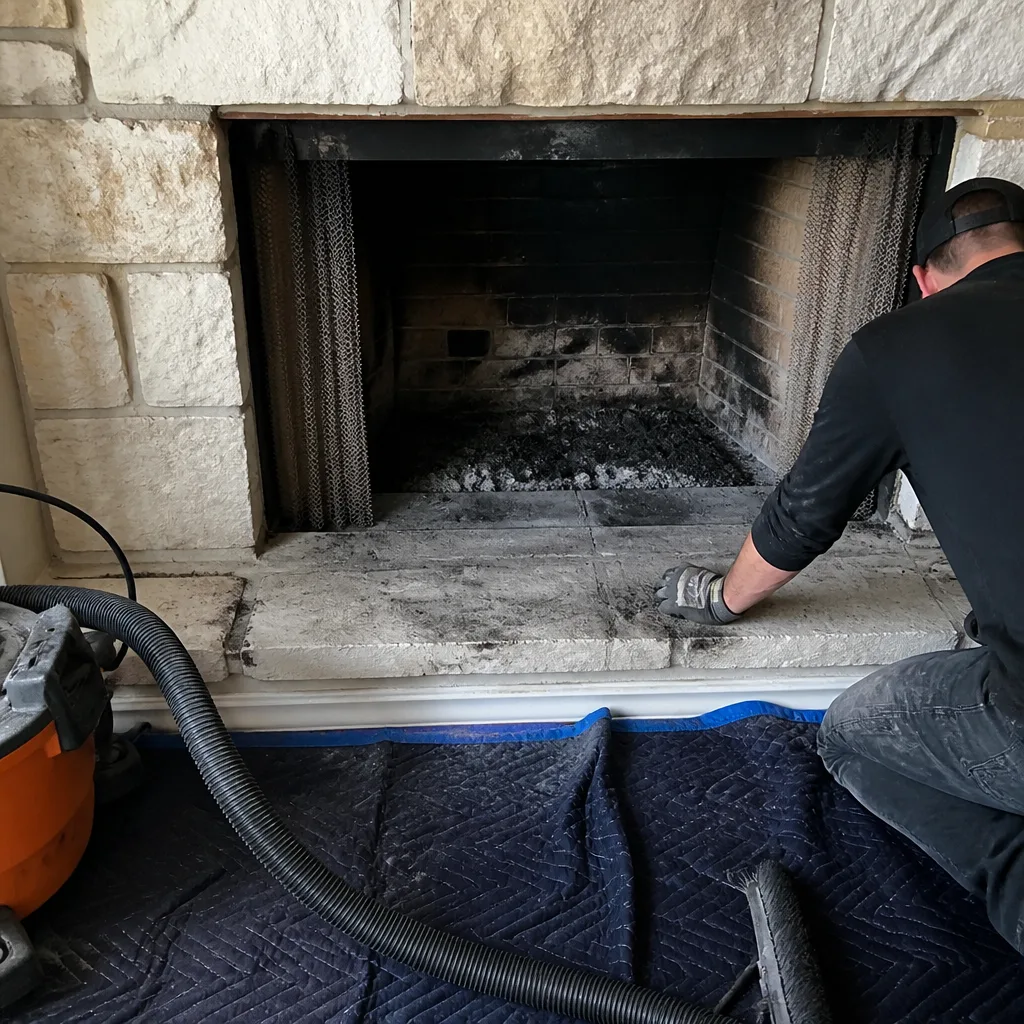
Level 1 sweep and inspection to the NFPA 211 annual standard - flue, crown, cap, and flashing checked and photographed
Chimney sweep logs do not sweep chimneys. They loosen some creosote - which then falls where a brush and vacuum still have to collect it.
Seasonal Chimney Cleaning Care for North Dallas: Year-Round Homeowner’s Guide
The month that does the most damage to a North Dallas chimney usually isn’t January. It’s February, when a short stretch of hard ice gives way to afternoons in the sixties, and the brick, mortar, and crown go through one freeze-thaw cycle after another in the space of a week. Most chimney care advice is written for a colder, steadier climate, so it tells you to schedule a fall sweep and forget the rest of the year. North Dallas doesn’t work that way. Heat, allergens, storms, and that February thaw each attack a different part of the system. This guide walks through what every season does to your chimney here, when to book work, and what to check yourself between visits.
Quick Answer
Seasonal chimney care in North Dallas means more than an annual sweep. The right schedule is a pre-season sweep in September, a post-burn inspection in spring, cap and crown checks through the summer, and a specific inspection after any hard freeze. Each season stresses a different component, so each one gets its own maintenance trigger.
Styles & brands we work with
- Sweep & inspection
- Caps & crowns
- Flue relining
- Masonry repair
- Gas fireplace service
Table of Contents
- Why North Dallas Chimneys Need a Different Seasonal Schedule
- Month-by-Month: What Each North Texas Season Does to Your Chimney
- Why September Beats October for Your Pre-Season Sweep
- Summer Dormancy: What to Do With a Chimney You’re Not Using
- The Post-Ice-Storm Inspection Protocol Most Guides Skip
- Spring Post-Burn Inspection: Firebox and Smoke Chamber
- Common Mistakes to Avoid
- When to Call a Professional
- Frequently Asked Questions
Why North Dallas Chimneys Need a Different Seasonal Schedule
Most chimney care advice assumes a climate that stays cold once winter arrives. North Texas doesn’t cooperate. A typical winter here can swing from a hard freeze to a mild afternoon and back within a few days, and that swing is what does the structural damage. When water soaks into mortar and brick and then freezes, it expands; when it thaws, it contracts. Repeat that cycle and the surface starts to spall, flaking off in layers. A sweep schedule built for a steady-cold climate misses this entirely, because it only thinks about creosote.
Summer is the other half of the story. Months of heat bake the crown, the concrete cap at the top of the chimney, and hairline cracks open up. Fall brings allergens, leaves, and the first cool evenings when everyone lights a fire at once. Spring storms drive water into every gap the winter left behind. Four seasons, four different failure points.
That’s why a year-round plan for a North Dallas home looks different from a single annual visit. It maps maintenance to the season that causes each problem:
- Winter: freeze-thaw stress on brick, mortar, and crown; heavy creosote buildup from steady burning
- Spring: storm-driven water intrusion into cracks the winter opened; post-burn residue in the firebox and smoke chamber
- Summer: heat cracking the crown; pests and nesting animals moving into an unused flue
- Fall: debris and allergens clogging caps and screens; the pre-season sweep before burning begins
Treat each season as its own maintenance window and the chimney stays ahead of the damage instead of catching up to it.
Month-by-Month: What Each North Texas Season Does to Your Chimney
Here’s how a calendar year actually plays out for a chimney in North Dallas. Use this as your planning guide, not a rigid rulebook; a wood-burning insert used daily needs more attention than a fireplace lit a dozen times a season.
Late fall through winter (November to February)
This is burning season, and creosote accumulates with every fire. Creosote is the tar-like residue left by wood smoke, and it’s flammable. A thin glaze is normal; a thick, glossy layer is the condition that fuels chimney fires. The bigger local risk in these months is the thaw. A February warm-up after an ice event pushes brick and mortar through repeated expansion and contraction. Watch for flaking brick faces, crumbling mortar joints, and cracks in the crown after any hard freeze.
Spring (March to May)
Storm season arrives right after the last fires go out. Driving rain finds every crack the winter opened and works its way into the masonry. This is when a post-burn inspection pays off: the firebox, damper, and smoke chamber get checked after a full season of use, and any water damage gets caught before summer heat makes it worse.
Summer (June to August)
Heat is the enemy now. The crown, exposed to full sun, expands and contracts daily, and small cracks widen. An unused flue becomes prime real estate for birds, squirrels, and wasps. This is the season for cap and screen checks, not for burning.
Fall (September to October)
Cooler evenings bring the first fires, and everyone reaches for the matches around the same time. Debris from summer storms, leaves, and allergens collect on caps and screens. This is the window to sweep before the backlog builds, which is the subject of the next section.
Notice how each season targets a different component. A generalist sweep who shows up once a year sees the creosote and nothing else. We look at the whole system, cap to firebox, so the seasonal damage gets addressed when it happens rather than after it compounds. If you want the full picture of what a proper visit covers, our chimney sweep page lays out the steps.
Why September Beats October for Your Pre-Season Sweep
September is the right month to book your pre-season sweep in North Dallas. October is when most homeowners think about it, which means October is also when every sweep in the area is booked solid. Booking in September gets you a clean flue before the first fire and a slot before the rush.
There’s a practical reason beyond scheduling. The first genuinely cool evening in North Dallas often arrives in late October or early November, and a lot of people light a fire that same night. If the flue hasn’t been swept since last season, that first fire burns into a season’s worth of creosote and whatever debris collected over the summer. Sweeping in September clears all of it before it becomes a problem.
Here’s how we’d sequence the pre-season work:
- Book the sweep for early-to-mid September. Get on the schedule before the October crunch.
- Have the flue swept and inspected in the same visit. A sweep clears the creosote; an inspection documents the condition of the liner, damper, and firebox.
- Check the cap and crown while the weather is still mild. Any cracks or loose screens get addressed before storm season and before the first freeze.
- Test the damper and do a small test fire before the first cold night, so you know the draft is working.
A September sweep also gives you time to fix anything the inspection turns up. If the liner needs resurfacing or a cap needs replacing, there’s a window to get it done before you want to burn. Wait until October and a repair discovered during the sweep can push your first fire back by weeks. That’s the real argument for September: margin.
Summer Dormancy: What to Do With a Chimney You’re Not Using
Summer is when a chimney quietly deteriorates if nobody’s watching it. You’re not burning, so it’s out of sight and out of mind, and that’s exactly when the small problems get a head start. Three things deserve attention between June and August: the cap, pest screening, and the crown.
Cap inspection
The chimney cap is the metal or mesh cover over the flue opening, and it’s the first line of defense against water and animals. Summer heat and storms can loosen it, and a cap that’s shifted or rusted through lets rain straight into the flue. We check that the cap is secure, the screen is intact, and the fit is still tight against the flue. When a cap needs replacing, we match the product to the chimney rather than grabbing whatever’s on hand; brands like Famco and Copperfield make caps built for specific flue sizes and vent styles.
Pest screening
An open flue is a chimney swift’s dream home, and squirrels and wasps find their way in too. A proper cap with an intact screen keeps them out. If you’ve heard scratching or fluttering in the chimney over the summer, that’s the sign the screen has failed somewhere.
Crown sealing and repair timing
The crown is the concrete top surface of the chimney, sloped to shed water. Summer heat is brutal on it, opening hairline cracks that let water in during the next storm. Late summer, before the fall rains, is the right time to seal or repair a cracked crown. Addressing it now prevents the water damage that shows up as stained ceilings or crumbling mortar inside the firebox months later. Crown work is one of the most commonly skipped steps in chimney care, and it’s also one of the leading causes of water intrusion. Our chimney cap & crown service covers both.
The Post-Ice-Storm Inspection Protocol Most Guides Skip
Standard seasonal guides assume a gradual change of seasons. North Texas doesn’t always do gradual. An ice storm can drop a week of hard freeze on a chimney and then hand it back to mild weather, and the damage from that swing doesn’t show up until months later. A post-event inspection is the step most guides leave out entirely.
Here’s what we check after a hard freeze:
- The crown. Look for new cracks or spalling where water got in and froze. This is the most vulnerable surface in a freeze-thaw event.
- Brick and mortar joints. Flaking brick faces and crumbling joints are the signature of repeated freeze-thaw cycling. Catch them early and the repair stays small.
- The liner. A cracked or damaged liner is a safety issue, not just a performance one. It’s what separates the flue gases from the structure of the house.
- The firebox and damper. Check for water staining and any masonry that’s loosened.
- The cap and screen. Ice and wind can shift or damage a cap. Confirm it’s still seated and intact.
The key timing point: do this inspection in the weeks after the freeze, not at the start of the next burning season. Damage caught early stays a repair. Damage left through a summer of heat and a spring of storms can turn into a rebuild. If your area saw a hard freeze and you haven’t had the chimney looked at since, that alone is a reason to book an inspection.
Spring Post-Burn Inspection: Firebox and Smoke Chamber
Spring is the right time to inspect what a full North Texas burning season left behind. The fire comes out of the fireplace, the flue goes quiet, and the residue from months of use sits there until someone looks. A post-burn inspection focuses on the parts of the system that take the most heat: the firebox and the smoke chamber.
Here’s what we look for:
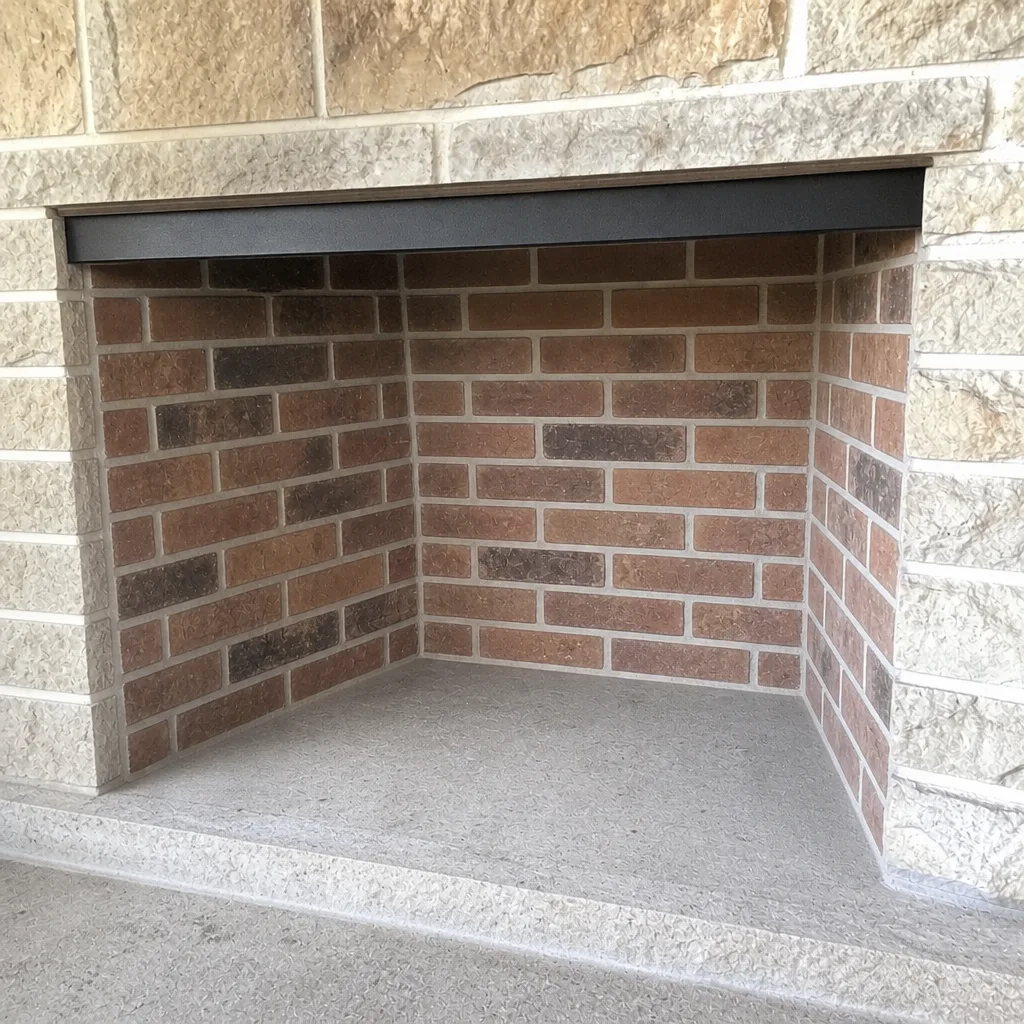
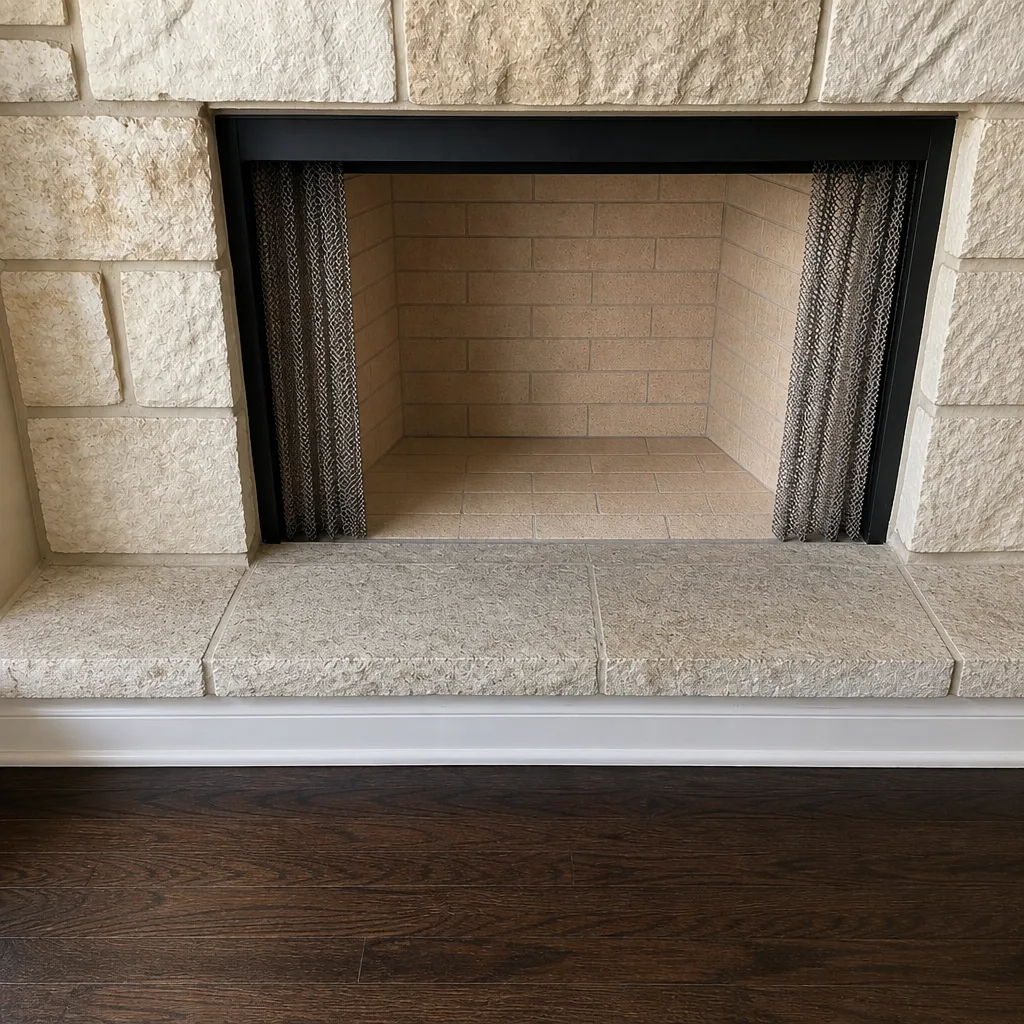
- Firebox masonry: cracked firebrick, loose joints, and any gaps where heat can reach the structure behind it. Firebox damage is a fire risk, so it gets documented carefully.
- Smoke chamber: the tapered area above the firebox where smoke gathers before it enters the flue. Creosote builds up here, and the angled surfaces are hard to clean without the right tools.
- Damper: check that it opens, closes, and seals properly. A damper that sticks open wastes heat and lets the conditioned air out of the house all summer.
- Liner condition: a visual check for cracks, gaps, or deterioration, especially where the winter freeze-thaw cycles stressed it.
Any problems found here get documented with the inspection, so you know exactly what’s going on before anyone recommends a repair. That’s the approach we take on every job: document first, then talk about options. Firebox repairs, from re-pointing masonry to a full rebuild, are handled by our fireplace repair service. If the inspection turns up a liner issue, we’d talk through whether resurfacing with HeatShield makes sense versus a full replacement with a DuraFlex liner system; those are two different answers for two different conditions, and the inspection tells us which one fits.
Common Mistakes to Avoid
- Only sweeping once a year and calling it seasonal care. A single annual sweep misses the summer crown damage and the post-freeze cracking that a North Dallas climate creates. Seasonal care means looking at the system more than once.
- Waiting until October to book the pre-season sweep. By then the schedule is full and a repair discovered during the sweep can delay your first fire. September is the month to book.
- Ignoring the crown because it’s “just the top.” The crown is where most water intrusion starts. Cracks that look minor in summer become stained ceilings and rotted framing by spring.
- Leaving the flue open and uncapped through the summer. An open flue is an invitation for birds, squirrels, wasps, and rain. A proper cap with an intact screen blocks all of it.
- Skipping the inspection after a hard freeze. The freeze-thaw cycle that follows an ice storm does its real damage over the weeks after, not during. Wait to inspect and you miss it.
- Assuming a chimney with no visible smoke problems is fine. Creosote and liner cracks don’t announce themselves. The problems that matter are the ones you can’t see from the living room.
- Hiring a sweep who never tells you what brand of material they’d use. If a recommendation comes without a named product and a reason, ask why. The right liner or cap for your chimney is a specific choice, not a generic one.
When to Call a Professional
Some chimney care is a watch-and-wait situation. Some of it isn’t. Call us if you’ve had a hard freeze and haven’t inspected since, if you see cracked or flaking brick, if the crown has visible cracks, if water is staining the firebox or the ceiling near the chimney, or if the cap is loose or damaged. Call if you smell smoke in the room when the fire is burning, if the draft is weak, or if it’s simply been a full burning season since the last sweep. None of these are jobs to diagnose from the living room; each one needs someone to actually look.
Chimney Sweep North Dallas offers free estimates in North Dallas – call (833) 468-3242. We answer 24/7. Fast dispatch from 7am to 7pm, Sunday through Friday. Our technicians have up to 12 years of experience, and every job starts with an inspection that documents what’s found before any work is recommended.
Frequently Asked Questions
Once a year for most homes, and more often if you burn frequently or burn green wood. The key is timing: a pre-season sweep in September and a post-burn inspection in spring catches the seasonal damage that a single annual visit misses. Call (833) 468-3242 to book a sweep before the fall crunch.
February is when North Texas tends to see short, hard freezes followed by quick warm-ups, and that swing is what damages masonry. Water in the brick and mortar freezes, expands, thaws, and contracts, and repeated cycles cause the surface to spall. January is usually colder and steadier, which is gentler on the structure.
Check the cap and screen, confirm no pests have moved in, and look at the crown for new cracks. Late summer, before the fall rains, is the right time to seal or repair a cracked crown. Call (833) 468-3242 for an exact quote – estimates are free.
Yes, if the storm brought a hard freeze and you haven’t had the chimney looked at since. The freeze-thaw damage shows up in the weeks after the event, in the crown, mortar joints, and liner. Catching it early keeps it a repair instead of a rebuild. Call us to schedule a post-event inspection.
HeatShield is a resurfacing product, applied to restore a liner that’s still structurally sound but worn, and it’s a targeted alternative to full replacement. DuraFlex is a flexible liner system for a full relining job. Which one fits your chimney depends on what the inspection finds; we document the condition first, then explain the options. Call (833) 468-3242 for a free estimate.
No, and the reason isn’t the creosote. A year without burning is still a year of summer heat on the crown, storm water in the cracks, and possible pests in the flue. The sweep catches the creosote; the inspection catches everything else. Both are worth doing even for a lightly used fireplace.
The Bottom Line
Year-round chimney care in North Dallas isn’t one annual sweep. It’s a schedule matched to a climate that stresses the system differently every season: a September pre-season sweep before the backlog hits, a spring post-burn inspection of the firebox and smoke chamber, summer attention to the cap and crown, and a dedicated inspection after any hard freeze. The February thaw after an ice event does more structural damage than the cold itself, and it’s the step most guides skip. Get the timing right and the repairs stay small. Chimney Sweep North Dallas handles the whole system, cap to firebox, with professional-grade materials matched to each condition. Call (833) 468-3242 for a free estimate. We answer 24/7, with fast dispatch from 7am to 7pm, Sunday through Friday.
For the full range of what we handle, see Chimney Sweep North Dallas.
Written by the team at Chimney Sweep North Dallas.
See the difference
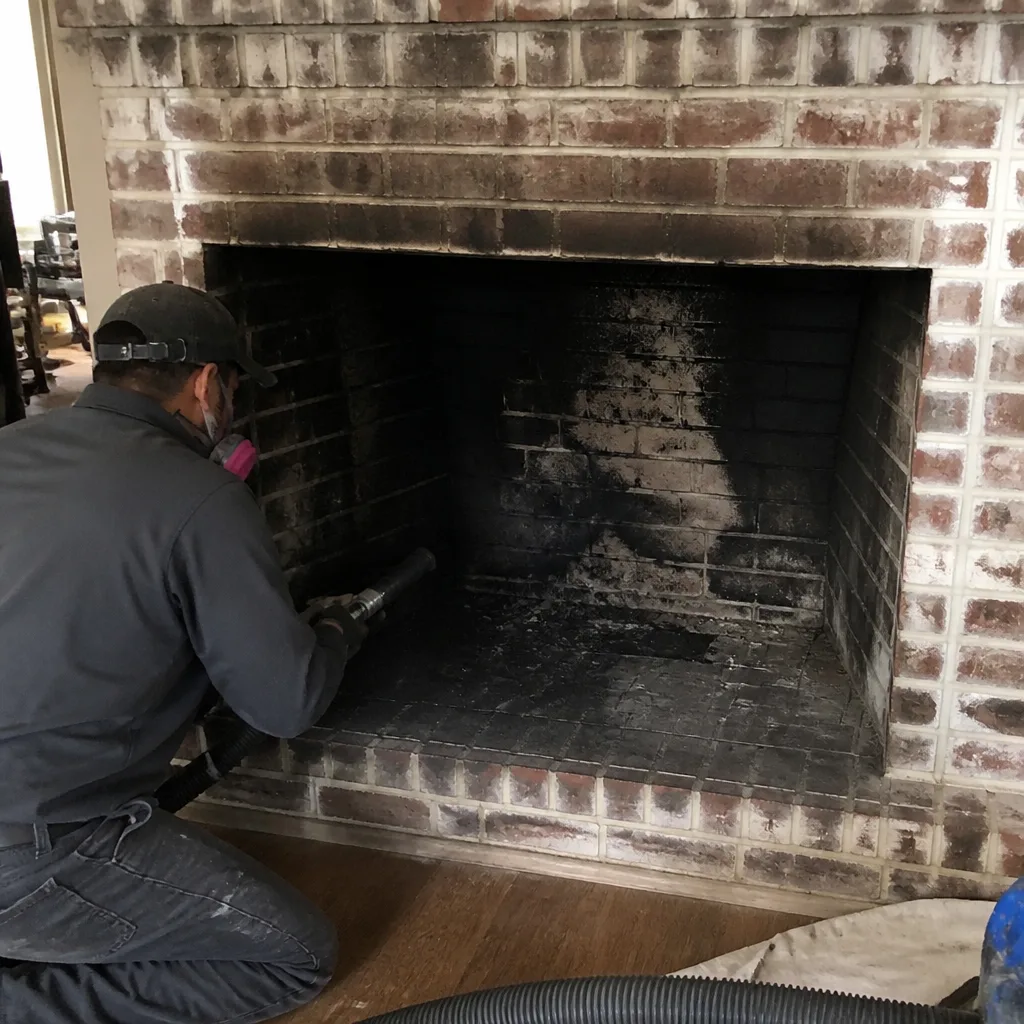 Before
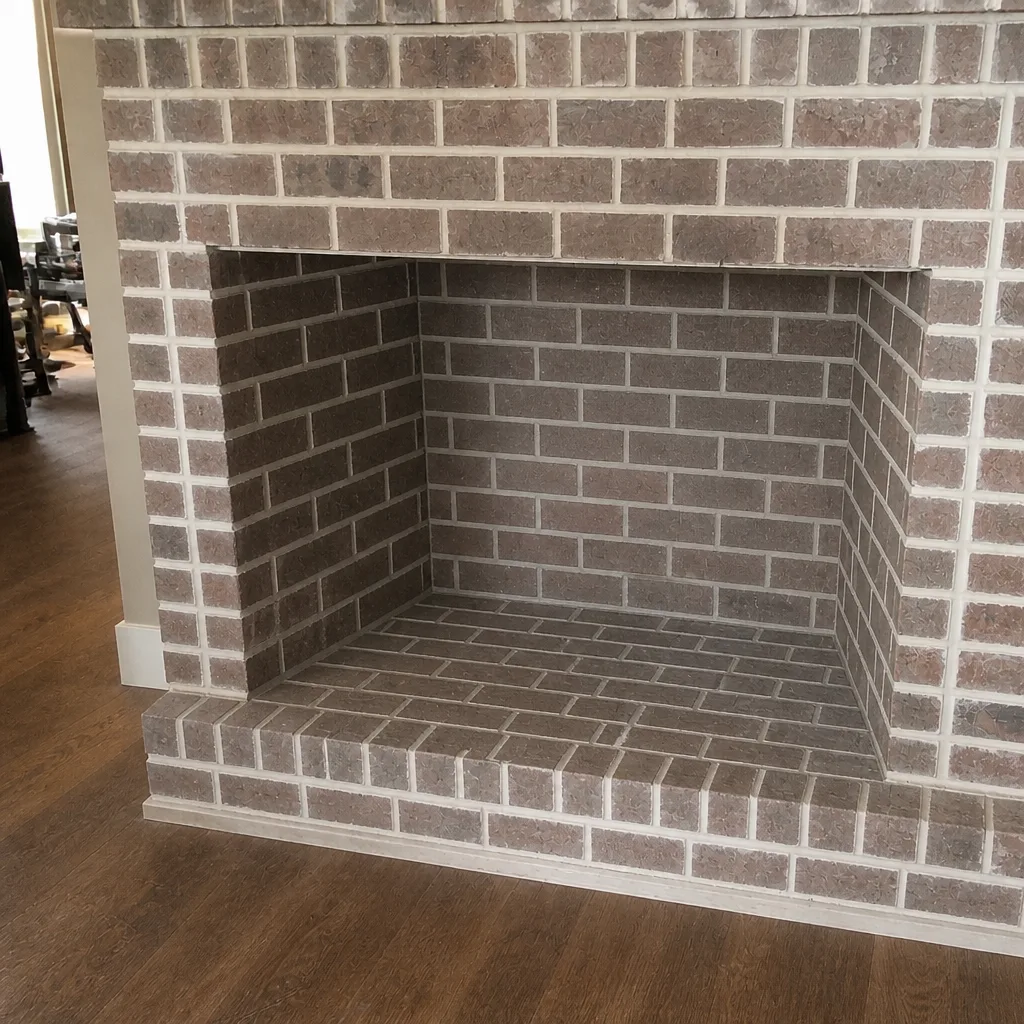 After
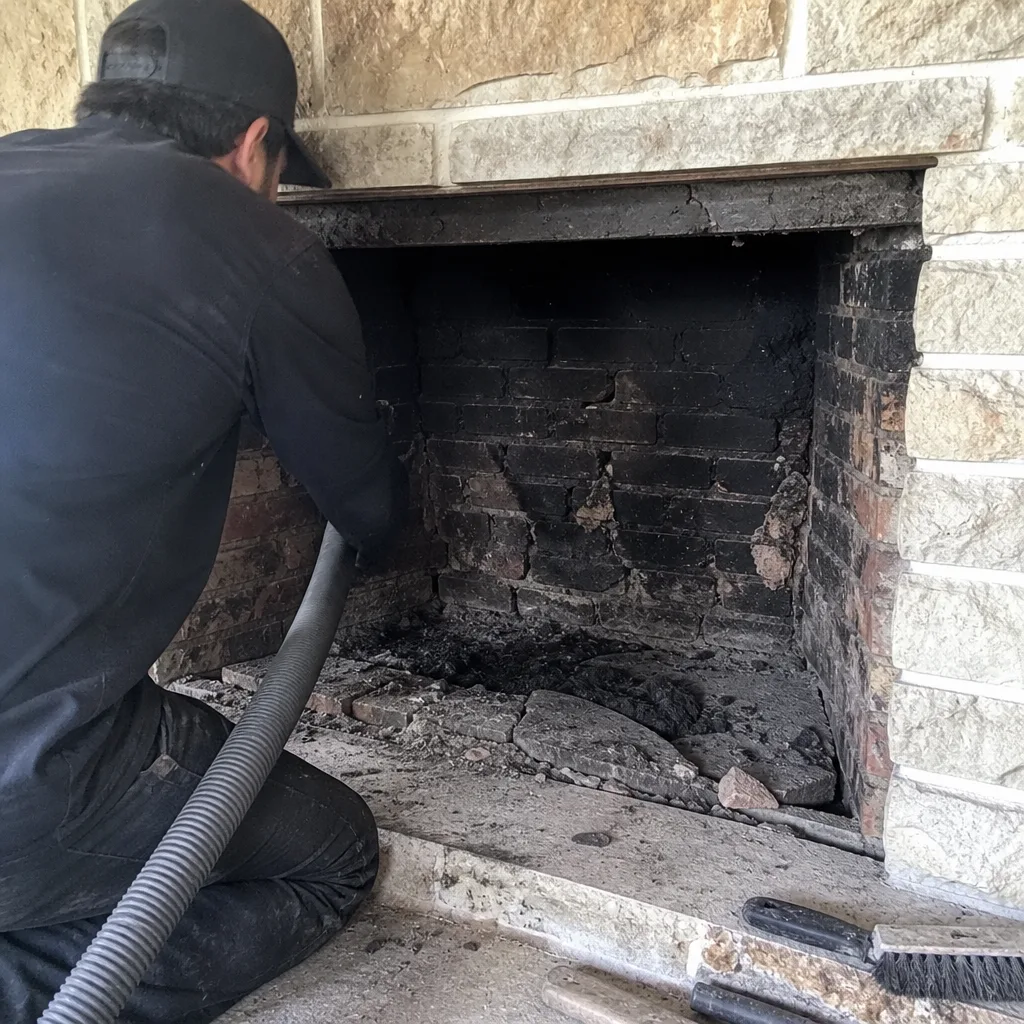 Before
 After
 Before
 After