
Last updated November 25, 2026
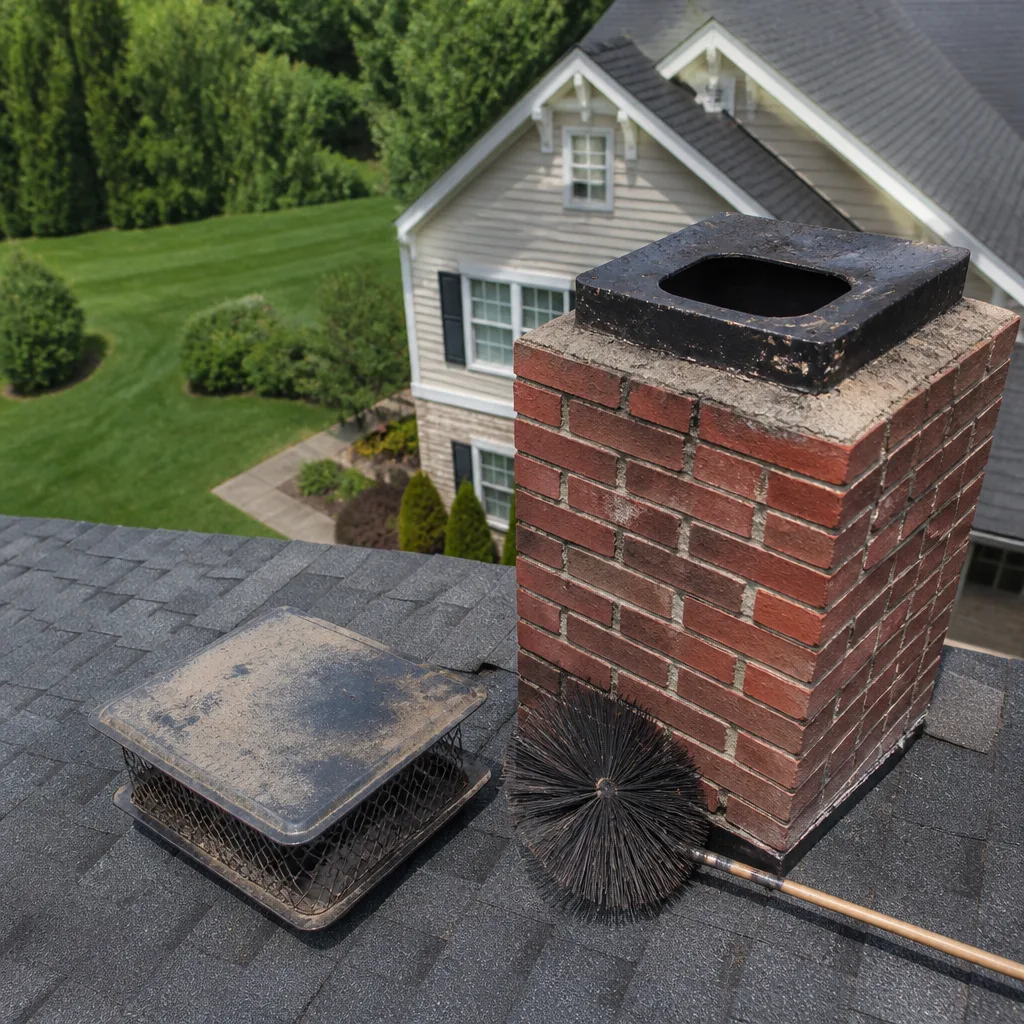 Sweep & inspection
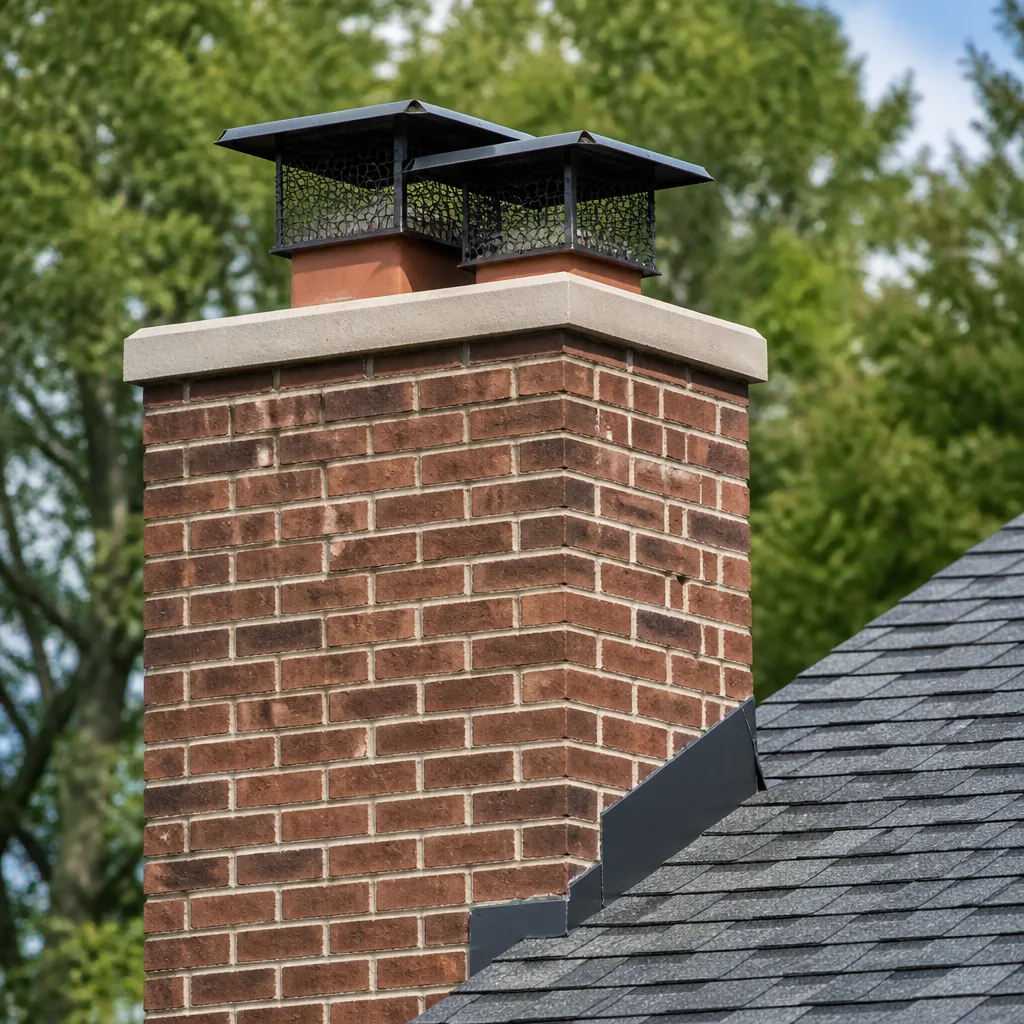 Caps & crowns
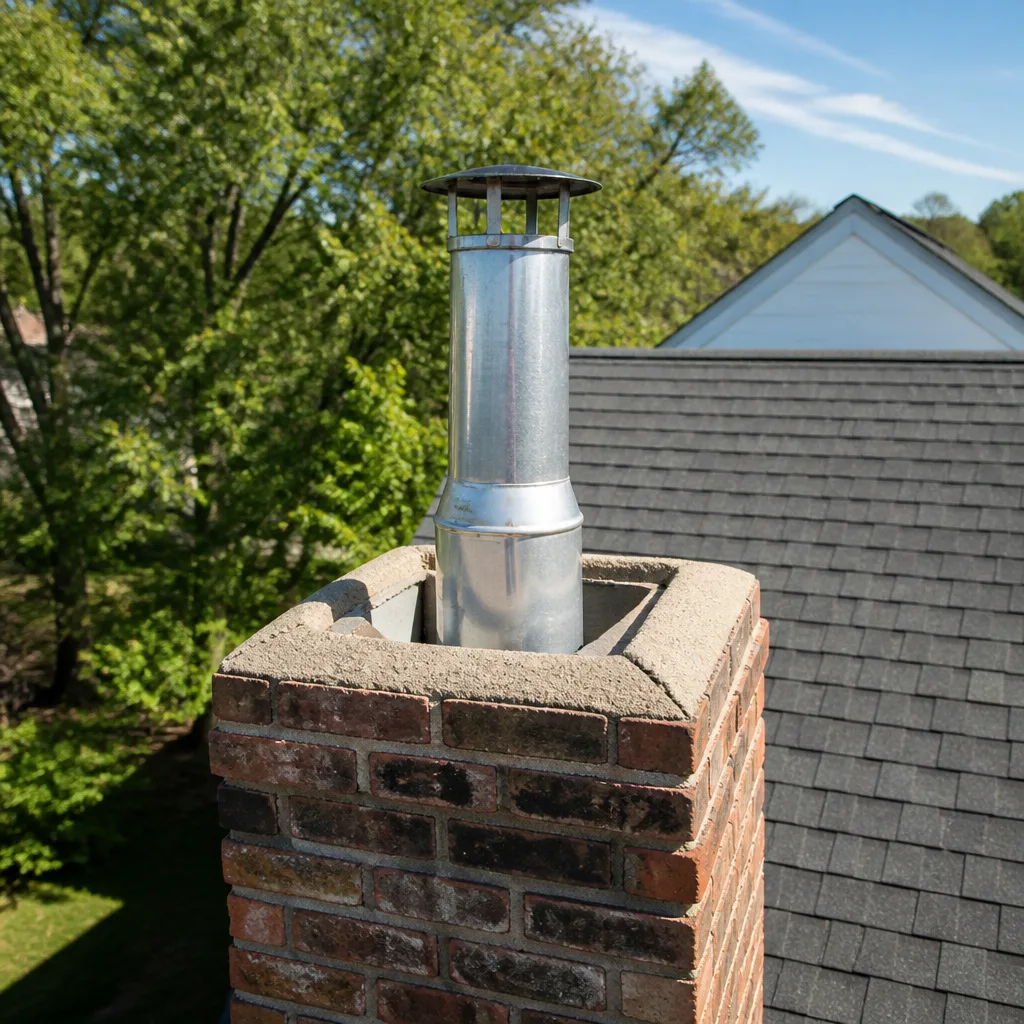 Flue relining
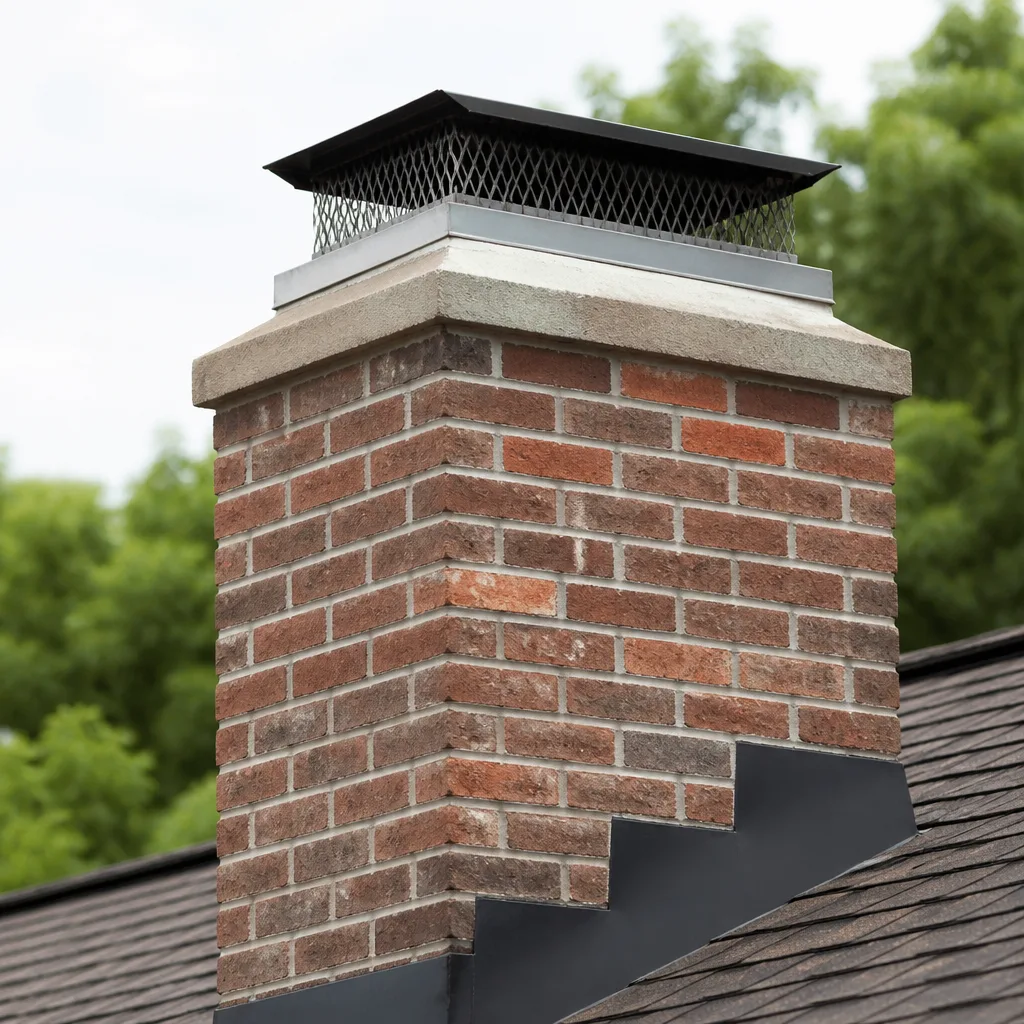 Masonry repair
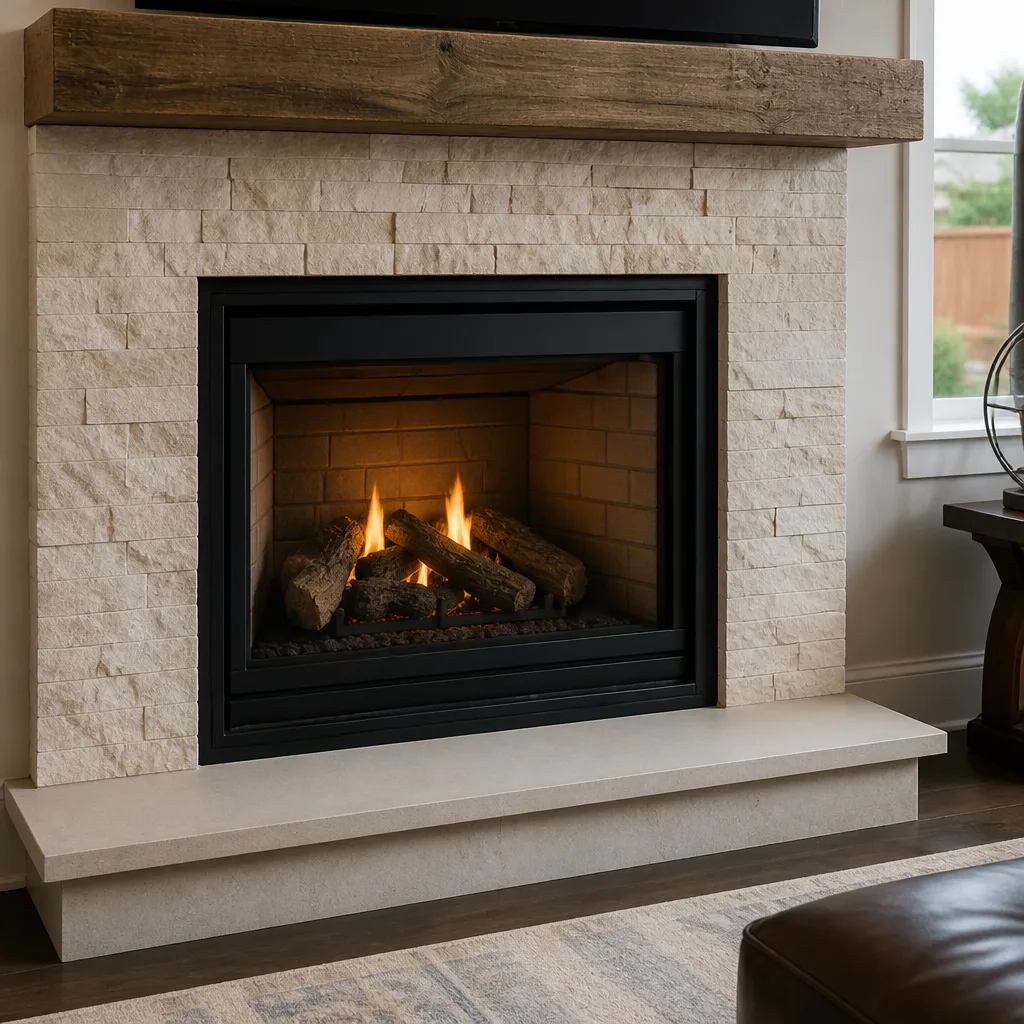 Gas fireplace service
Level 1 sweep and inspection to the NFPA 211 annual standard - flue, crown, cap, and flashing checked and photographed
Chimney sweep logs do not sweep chimneys. They loosen some creosote - which then falls where a brush and vacuum still have to collect it.
Chimney Cleaning Warning Signs: A North Dallas Homeowner’s Reference Guide
Most homeowners read their chimney’s warning signs backwards. They see a white crust on the brick and think it’s a masonry cosmetic issue to deal with later. They smell creosote in July and assume that’s just how chimneys smell. They get smoke spilling into the living room and blame the firewood. In each case, the visible symptom is pointing at a specific mechanical cause inside the flue, and that cause gets worse the longer it goes unread. This guide is built to help North Dallas homeowners read those signs as diagnostic data – so when you call a professional, you can describe exactly what you’re seeing, when it started, and what’s changed. That conversation gets you a straighter answer and a fairer estimate.
Quick Answer
The seven most reliable chimney warning signs are white staining (efflorescence), flaking brick (spalling), a cracked or crumbling crown, a rusted damper, a damaged or missing cap, smoke rolling back into the room, and a strong creosote odor when no fire is burning. Each one points to a specific internal failure – water intrusion, draft reversal, or a compromised liner – and each is worth a professional inspection before the next burn season. If you’re seeing two or more of these signs at once, that’s your signal to stop burning and get the system evaluated.
Styles & brands we work with
- Sweep & inspection
- Caps & crowns
- Flue relining
- Masonry repair
- Gas fireplace service
Table of Contents
- The Seven Visible Warning Signs – And What Each One Actually Means
- Draft Problem or Structural Problem? How to Tell the Difference
- Efflorescence and Spalling: Reading Water Damage in North Dallas Masonry
- The Crown and Cap: Two Failure Points Most Sweeps Skip
- Warning Signs Specific to Gas Fireplace Owners
- Why Your Chimney Smells in Summer (And What It Really Means)
- A Photo-Documentation Protocol for North Dallas Homeowners
- Creosote Stages and When They Cross a Line
The Seven Visible Warning Signs – And What Each One Actually Means
Every warning sign a chimney sends has a specific mechanical cause. Learning to pair the symptom with the cause is the difference between “I should get that looked at eventually” and “I know exactly what I’m describing when I call.” Here are the seven we look for first, in the order they show up most often on North Dallas homes.
- Efflorescence (white staining on exterior brick). Water is actively moving through the masonry and depositing mineral salts on the surface as it evaporates. The interior lining is wet, and the mortar joints holding the brick together are already compromised. This is the single most misread sign we see.
- Spalling (flaking, chipping brick faces). When water absorbed into the brick freezes or expands during wet weather and dries from the inside out repeatedly, the face of the brick pops off. Spalling means the masonry has been cycling wet-and-dry for a long time, and the structural integrity of the outer stack is eroding.
- Damaged crown. The concrete or mortar cap at the very top of the chimney is designed to shed water away from the flue. Cracks, chips, or a crown that’s pulling away from the flue tile let water straight down the inside of the chimney – the worst possible path for moisture.
- Rusted damper. A damper that no longer opens and closes smoothly, or a firebox floor showing rust streaks, means moisture is reaching the interior of the firebox. Rust inside a firebox is nearly always a symptom of a cap or crown failure above it.
- Damaged or missing cap. The cap is the metal or mesh cover over the flue opening. A missing cap invites rain, birds, squirrels, and debris straight into the flue. A damaged cap with torn mesh does the same while also failing as a spark arrestor.
- Smoke rollout. Smoke curling into the room instead of up the flue is a draft problem. It can come from a dirty flue, a flue that’s too short for the firebox, a closed damper, a negative-pressure house, or a structural issue inside the flue. Distinguishing between these is the topic of the next section.
- Strong creosote odor with no fire burning. A live fire smells like a fire. A chimney that smells like a fire when nothing is burning is telling you about creosote buildup plus, in many cases, air pressure reversal inside the house.
If any of these descriptions match what you’re seeing, write down what you saw and when. That single habit makes the conversation with any professional – including us – far more productive.
Draft Problem or Structural Problem? How to Tell the Difference
These two failure modes look identical from your living room. Smoke rolls into the room either way. The fire struggles either way. The firewood gets blamed either way. But they require completely different fixes, and treating one as the other wastes money or leaves a real problem in place.
A draft problem is an airflow issue. Common causes in North Dallas homes include:
- Creosote or soot buildup narrowing the flue, which reduces the volume of hot gas that can rise
- A chimney that’s too short for the firebox opening, so the column of hot gas can’t establish enough upward pull
- A closed or partially closed damper
- Negative pressure inside the house from exhaust fans, a tightly sealed modern envelope, or a competing flue in a multi-flue chimney
- Cold flue at startup – a common issue on the first fire of the season, when the flue is cold and the fire hasn’t yet heated the column of air
A structural problem is a physical breach of the flue or firebox. Causes include:
- Cracked or missing flue tiles, which let smoke escape into the chimney cavity instead of up the flue
- A deteriorated liner that’s separating from the flue wall
- A firebox that’s pulled away from the surrounding masonry
- A chimney cap or crown failure that’s letting water in and causing the liner to break down
The diagnostic that separates them is a camera inspection. A technician runs a video camera down the flue and watches what’s actually happening on the interior surface. A draft problem shows a clean or dirty flue with intact walls. A structural problem shows cracks, gaps, or missing tile. Doing this before recommending anything is how a chimney inspection becomes useful rather than a checklist. From the outside, they look the same. From inside the flue with a camera, they don’t. That’s why we start with a chimney sweep and inspection rather than a guess.
Efflorescence and Spalling: Reading Water Damage in North Dallas Masonry
A white stain that runs down your exterior chimney brick is not a cosmetic problem. It’s efflorescence: mineral salts carried to the surface by water moving through the masonry. Where the salt appears, water has already been there. The mortar joints holding the brick together are compromised, even when the surface still looks solid.
Our part of Texas gets mild winters and long wet springs. North Dallas chimneys sit through humid stretches, hard rain events, and drying cycles that push and pull at masonry. Brick absorbs a small amount of moisture with every rain; if the chimney is sealed correctly, that moisture evaporates harmlessly. If the crown is cracked, the cap is missing, or the brick has absorbed moisture past the saturation point, the drying isn’t happening – the moisture is moving through to the interior.
Spalling is efflorescence’s next stage. When repeated wet-dry cycling stresses the brick face, the face flakes off. A chimney with efflorescence and spalling together tells us three things:
- Water is entering the masonry somewhere above the visible stain
- The interior flue lining is likely wet, which accelerates its breakdown
- The chimney’s structural surface is actively eroding and gets harder to address the longer it continues
Efflorescence alone is not a reason to panic. Efflorescence plus spalling plus a damper that no longer moves is a clear sign that the system needs an inspection before the next burn season. The fix isn’t a coat of paint over the brick – it’s identifying where the water is coming in, sealing the actual source, and repairing any masonry or liner damage it caused.
The Crown and Cap: Two Failure Points Most Sweeps Skip
Most of the chimney damage we find on North Dallas homes starts from the top and works down. The crown and the cap are the two parts of the chimney designed to keep water and wildlife out, and they are the two parts most often left out of a routine sweep. A chimney cap & crown service closes what is otherwise a permanent hole in your roof.
The crown is the sloped slab at the very top of the chimney that surrounds the flue tile. It’s designed to shed rain off the sides of the stack. When it cracks, when it pulls away from the flue tile, or when it erodes from years of Texas sun and wet-dry cycling, water drains into the chimney cavity instead of off it. That water runs down the inside of the flue and reaches the firebox, the damper, and the interior of your home’s wall cavity. Efflorescence and a rusted damper are the two downstream symptoms.
The cap is the metal or mesh cover over the flue opening. Without a cap, the flue is an open pipe on your roof. Birds nest in it. Rain falls directly in. Squirrels drop debris down it. A missing or damaged cap is the leading cause of animal and debris blockages, and those blockages are one of the more common hidden causes of draft problems in North Dallas.
We install caps from makers like Famco and Copperfield because those lines cover the common North Dallas flue sizes and stack styles with the right fit for the job rather than the closest generic match. A properly fitted cap and crown is the cheapest insurance against water damage you’ll ever buy for your chimney – and it’s work a sweep-only service usually leaves for someone else to find.
Warning Signs Specific to Gas Fireplace Owners
Gas fireplaces produce different combustion byproducts than wood-burning fireplaces, which means they fail in different ways. A gas fireplace doesn’t produce creosote, so the classic “sweep it or it’ll catch fire” warning doesn’t apply. What it does produce is moisture, and what it can produce if something goes wrong is carbon monoxide. The warning signs are quieter, which makes them easier to ignore.
What to watch for on a gas fireplace:
- Lazy or yellowish flame. A healthy gas flame burns steady and mostly blue. A flame that lifts off the burner, rolls yellow, or produces visible soot on the logs is telling you the air-to-fuel mix is off or the venting is restricted.
- Moisture on the glass or the firebox interior. Gas combustion produces water vapor. A properly vented fireplace clears it. Water accumulating on the glass or the inside of the firebox points to a venting or draft problem.
- Smells when the fireplace is off. A cold gas fireplace that still produces a combustion smell (or a faint gas smell) suggests the vent path isn’t sealing properly or the damper isn’t venting correctly.
- Soot streaks on the firebox. Soot on a gas fireplace is not normal. It’s a clear indicator that combustion isn’t complete and that something in the venting or burner assembly needs attention.
- Gas fireplace inserts without proper flue inspection. Even a vent-free unit or a direct-vent insert needs its venting checked periodically. Gas still produces combustion byproducts, and the flue is still the path they take.
If you own a gas fireplace in North Dallas, don’t skip the annual inspection because “there’s no creosote.” The system is different, not maintenance-free. And if you ever smell carbon monoxide – it’s described as a dull headache, dizziness, or nausea in a home where the fireplace or furnace is running – leave the space, get fresh air, and call for help. That’s not a warning sign to schedule; that’s a warning sign to act on immediately.
Why Your Chimney Smells in Summer (And What It Really Means)
A chimney that smells like a fire in July, when nothing is burning, is telling you two things at once: creosote has built up on the flue walls, and air pressure inside the house has reversed so that air is moving down the chimney instead of up it. Most homeowners assume this is just how a chimney smells in the heat. It isn’t. It’s a symptom worth understanding.
Here’s the mechanism. Creosote is a tar-like residue that condenses on flue walls as smoke cools. It releases its odor strongest when the weather warms and the chimney is dry. But for the odor to reach your living room strongly, outside air has to be moving down the flue and into the house. That reversal is called negative pressure, and in North Dallas it’s common for three reasons:
- Tightly built homes. Newer construction and recent envelope improvements seal a house so well that the only path for make-up air becomes the chimney. Air comes down the flue to balance interior exhaust fans, HVAC pressure, and stack effects.
- Stack effect in summer. Hot air rises, and in summer the cooler air below the house (crawl space, lower floor) pulls air downward through the chimney, especially on a two-story home.
- Competing flues. A house with multiple flues (chimney plus furnace plus kitchen vent) can see one flue exhaust while the other becomes the intake.
The summer odor usually resolves after a proper cleaning, because removing the creosote removes the fuel for the smell. If it returns the next summer, air pressure reversal is part of the picture and worth addressing – a proper chimney cap with the right design, sealing the flue when not in use, or checking the home’s ventilation balance can help. What doesn’t help: burning scented candles in the firebox or masking the smell. The creosote and the pressure problem are both still there.
A Photo-Documentation Protocol for North Dallas Homeowners
Warning signs get undersold when they’re described from memory. A homeowner sees efflorescence in March, calls in June, and describes “a white stain.” By then, the stain has grown, spalling may have started, but the description sounds the same. The professional can only work with what’s described. A simple photo protocol solves this.
Here’s what we suggest taking from the ground, with your phone, before booking any chimney service:
- Full chimney exterior, straight on. Stand back far enough to capture the entire stack, crown, and cap in one frame. This is the reference photo – a single view that shows the chimney from a consistent angle you can re-shoot later to compare.
- Close-up of any white staining, spalling, or efflorescence. Get close enough that individual brick faces are visible. Include a coin or a hand for scale if you can, so the size of the stain is clear.
- Crown and cap from the closest safe vantage point (do not climb onto the roof). From a second-story window or from the yard, zoom in on the crown and cap. Cracks in the crown and torn mesh in the cap show up clearly at zoom.
- Firebox interior, straight into the opening. Turn on a flashlight and photograph the firebox walls, damper, and the back of the firebox. Watch for rust streaks, cracked firebrick, or a sagging damper plate.
- Firebox from the outside of the opening, at chest height. This is the shot that shows whether the firebox has pulled away from the surrounding masonry or the hearth is level.
- Any smoke rollout or soot marking. If smoke ever rolled into the room, photograph the soot marking on the face of the fireplace. Position matters – it tells a technician where the draft was breaking.
- Notes on timing. In a message with the photos, note when you first saw each sign and whether it’s new or has been present for years. That timing is one of the most useful pieces of diagnostic info you can hand a professional.
With those photos in hand, the conversation gets specific fast. If you’re seeing signs in more than one category – exterior and interior – a full chimney cap & crown inspection plus a flue camera is usually the right starting point.
Creosote Stages and When They Cross a Line
Creosote builds up in stages, and knowing which stage you’re in helps you understand why a professional is recommending a sweep rather than a repair – or the reverse. The stages aren’t a formal industry standard, but they describe what technicians see on a flue wall and how that affects fire risk and chimney health.
- Stage 1 – soot and light flake. The most common. A fine coating of soot and light flaky creosote on the flue walls. This is what a normal annual sweep is designed to remove, and it rarely causes problems unless it’s left for years.
- Stage 2 – hard, crusty creosote. A denser, crunchy coating that’s baked onto the flue wall. It’s harder to remove and more combustible than stage 1. Stage 2 buildup is the most common reason a sweep is needed sooner than the homeowner expected.
- Stage 3 – glazed creosote. A shiny, hardened shell that bonds tightly to the flue tile. It is highly combustible. Stage 3 creosote cannot be removed with a standard brush sweep – it needs mechanical removal or liner restoration with a product designed for the surface. This is where a sweep stops being enough and a longer-term fix starts.
The important points about creosote on North Dallas chimneys:
- Creosote buildup is affected by how hot the fire burns and how completely the wood burns. Cool, smoldering fires (which are common when homeowners close the damper to “make the fire last”) deposit more creosote than hot, active fires.
- Seasoned firewood matters. Wood with more moisture content produces cooler smoke and more creosote. Aim for firewood that’s been split and dried for a season, stored off the ground and covered.
- Wood-burning inserts and stoves tend to build creosote faster than open fireplaces, because their flues run cooler.
- Glazed creosote (stage 3) is the most common cause of chimney fires, and a chimney fire can sometimes damage the flue without the homeowner realizing it happened.
When we find stage 2 or stage 3 creosote, the recommendation isn’t always a full liner replacement. Sometimes a targeted liner restoration using HeatShield – a professional resurfacing system that bonds a new surface onto the existing flue – is the right fix. It’s a repair designed for exactly this case: the flue is structurally sound but the interior surface needs to be renewed. A full liner replacement with DuraFlex is the right answer when the existing flue is cracked or missing tiles, not simply coated.
Common Mistakes to Avoid
- Treating efflorescence as cosmetic and painting over it. Painting traps the moisture inside the brick and accelerates spalling. The stain is a symptom, not the problem.
- Skipping the crown and cap because the sweep didn’t mention them. Many sweep-only services don’t check the top of the chimney. A sweep that cleans the flue but leaves a cracked crown is leaving the cause of the next breakdown in place.
- Assuming a gas fireplace doesn’t need service because there’s no creosote. Gas produces moisture and combustion byproducts. It still needs venting inspection.
- Burning unseasoned or green firewood to save money. Wet wood burns cooler and deposits more creosote. In North Dallas, wood that’s been split and stacked for a full drying season is a much better value than green wood bought cheaply.
- Using a “chimney cleaning log” instead of a real sweep. Those products can loosen a small amount of soot, but they don’t remove creosote from the flue walls and can’t inspect the flue. They create a false sense of completion.
- Ignoring summer odor and assuming it’s normal. A chimney that smells in July is telling you two things at once: creosote buildup and air pressure reversal. Both are diagnosable and fixable.
- Booking a sweep without asking what brands of material the company uses. The wrong cap on a flue, or the wrong liner on a masonry chimney, is a problem the homeowner inherits a few years later. Ask up front – any professional should answer without hesitation. We work with DuraFlex, HeatShield, and cap lines from Famco, among others, and we’ll walk through why one is the right fit over another for your specific chimney.
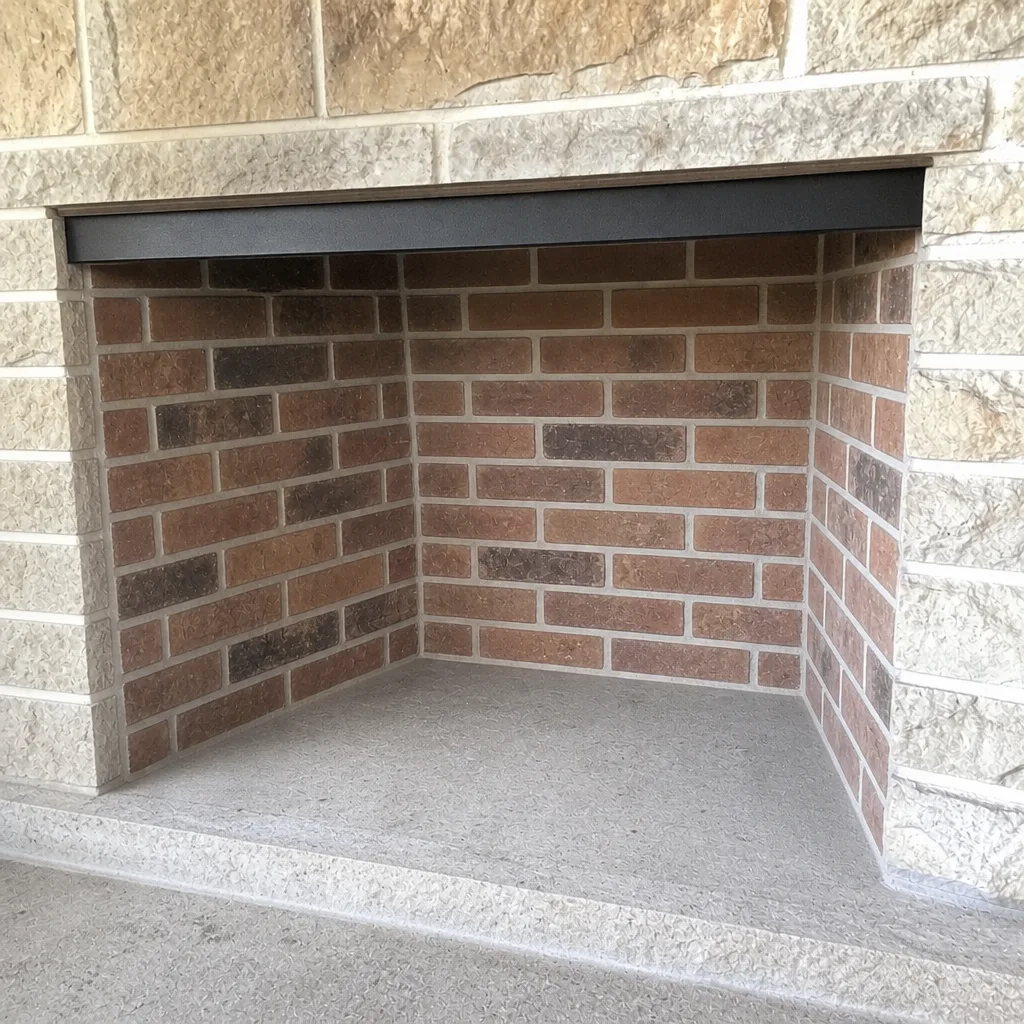
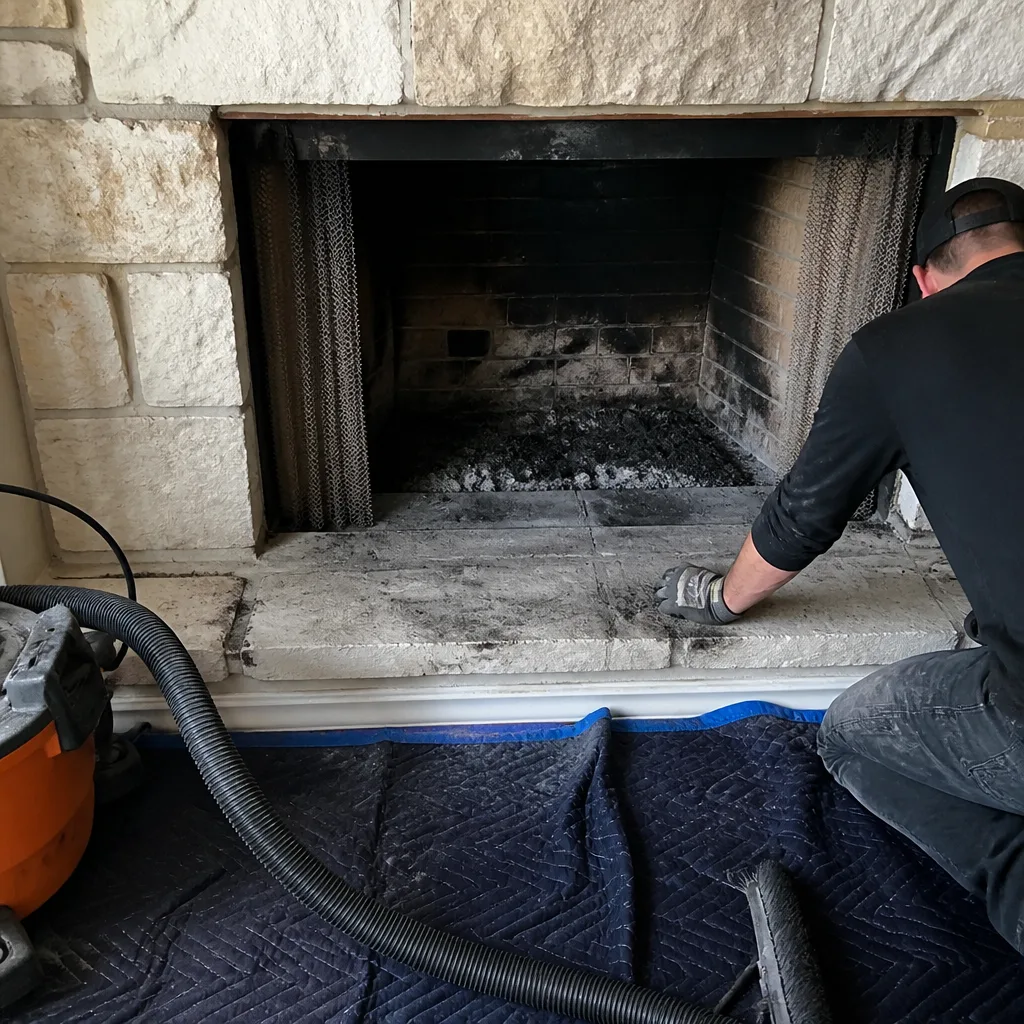
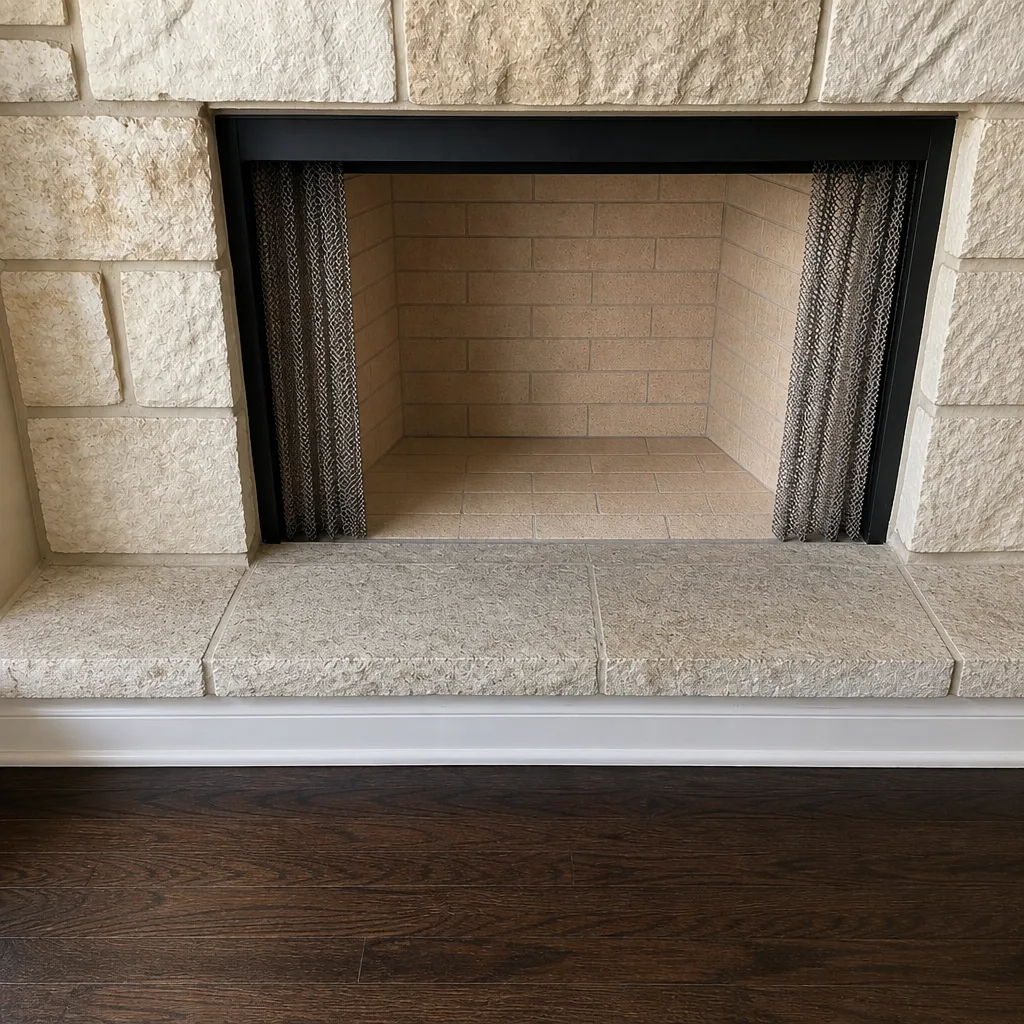
See the difference
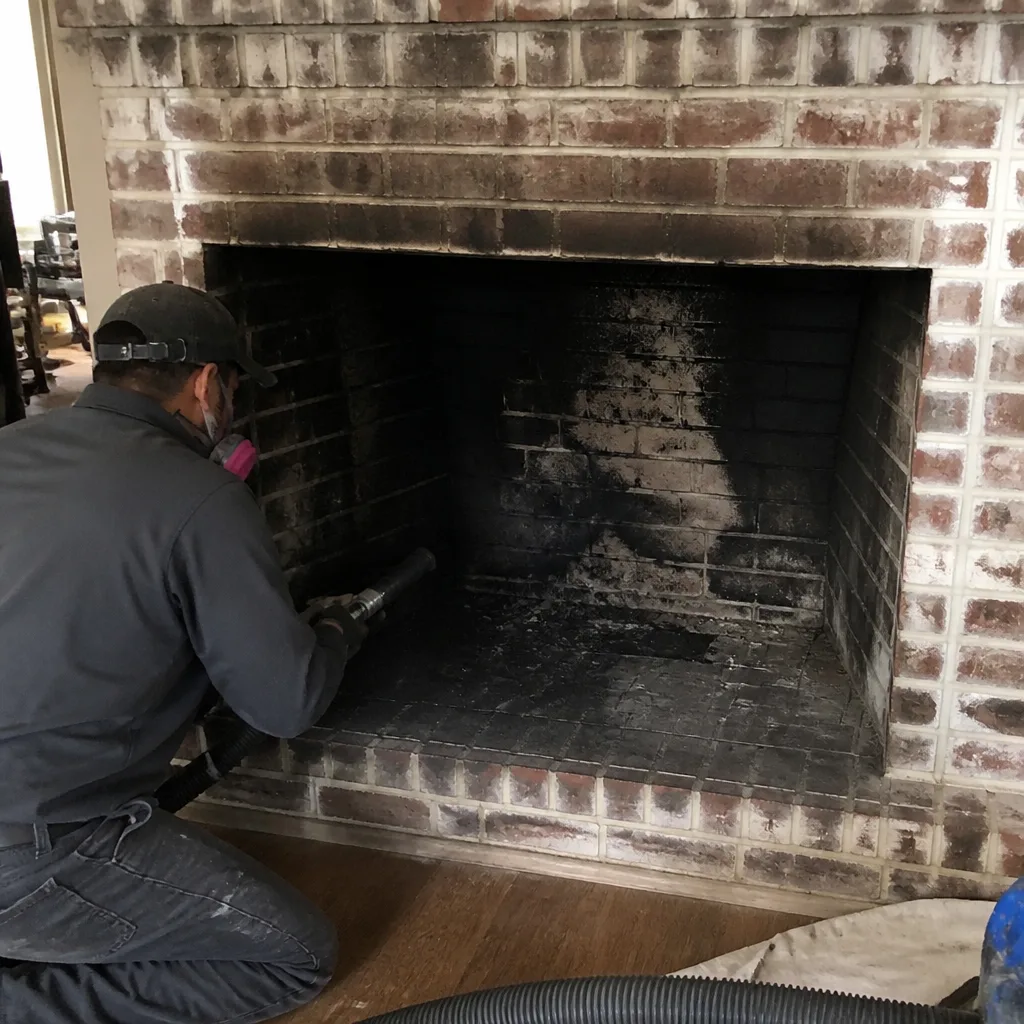 Before
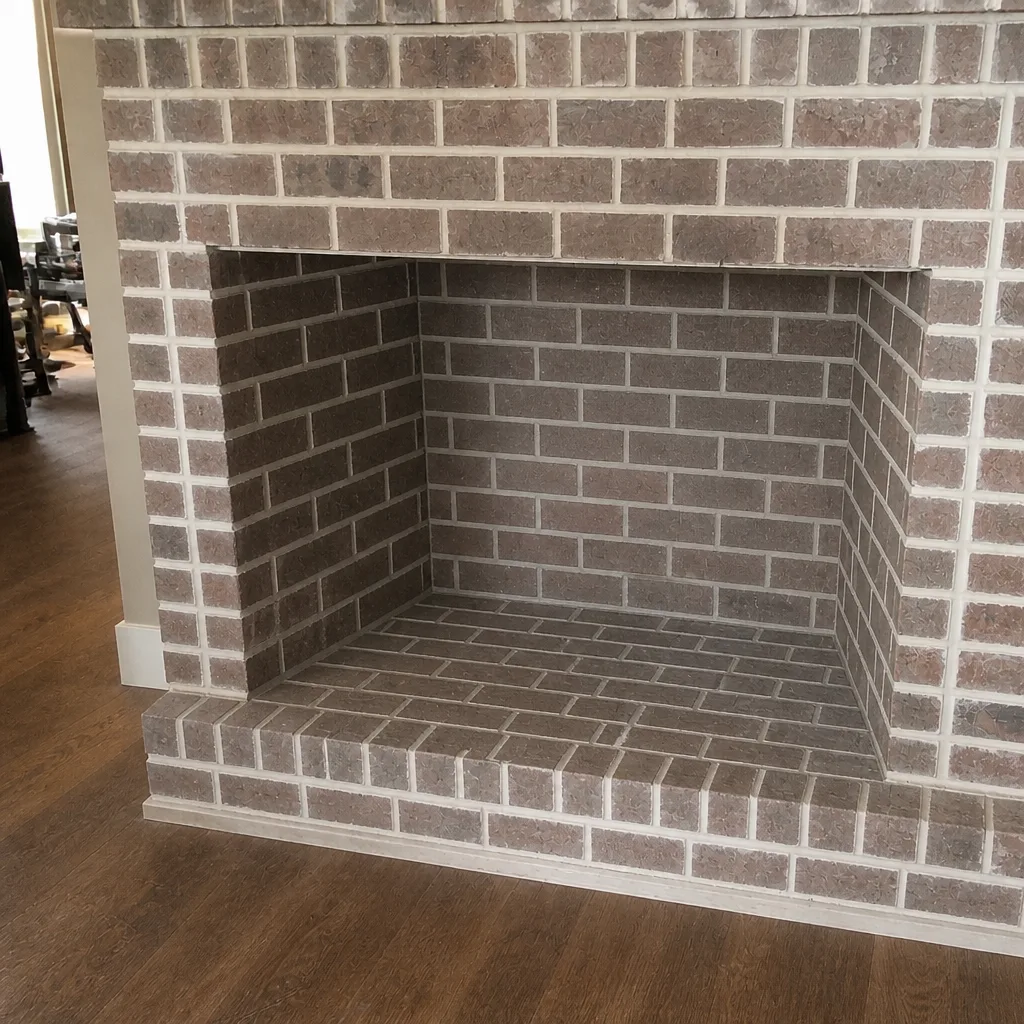 After
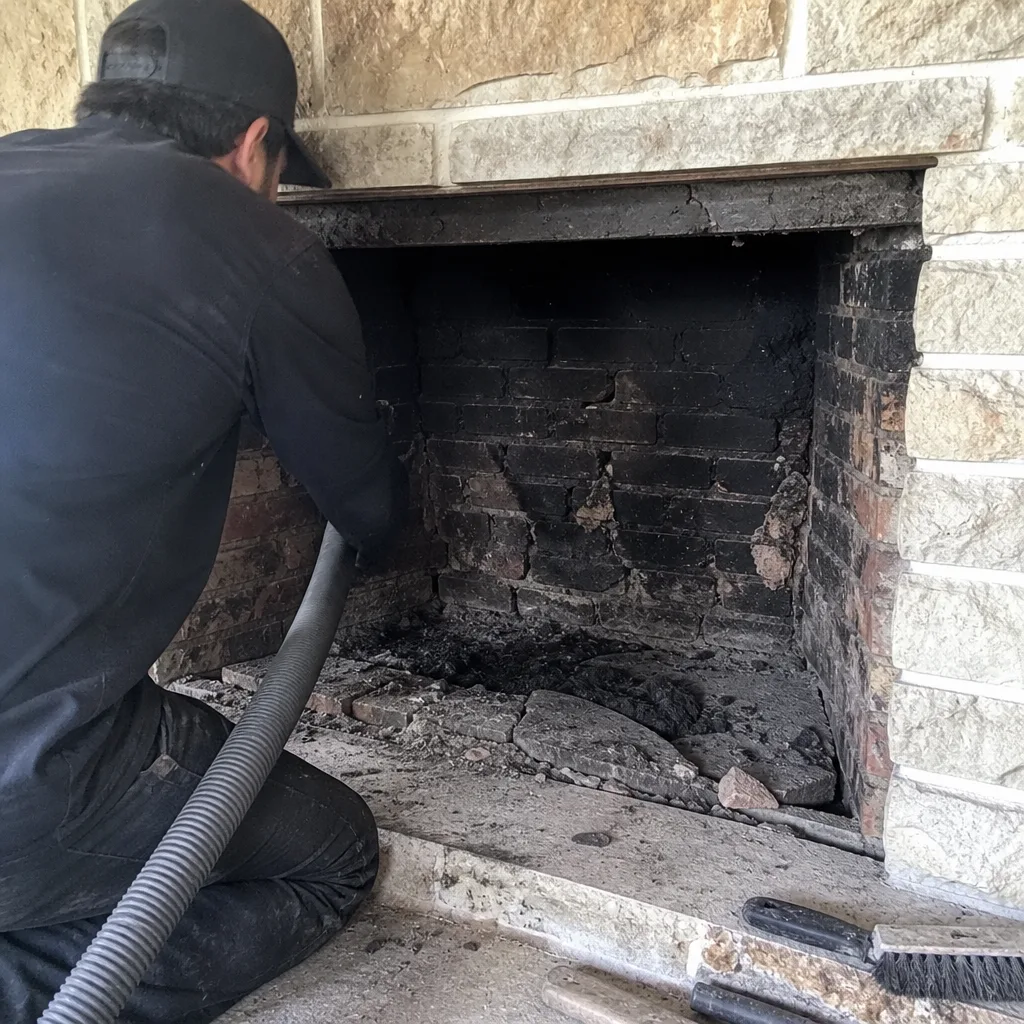 Before
 After
 Before
 After
When to Call a Professional
Call a professional if you see any two or more of the seven warning signs above, if your chimney smells like fire in summer, if smoke ever rolled into the room during a burn, if you’ve never had the flue inspected, or if you’re not sure of the last time it was swept. Call sooner if you’ve ever heard a low roar from the chimney while the fire was burning (that’s a chimney fire, even a small one) or if anyone in the home experiences headaches, dizziness, or nausea when the fireplace or furnace is running. For gas fireplace owners, call if the flame is yellow, if you see soot streaks, or if you smell gas at any time.
Chimney Sweep North Dallas offers free estimates in North Dallas – call (833) 468-3242. We answer 24/7. Fast dispatch from 7am to 7pm, Sunday through Friday. Our technicians have up to 12 years of experience, and every job begins with documentation of what we find, so you understand exactly what you’re paying for and why before any work starts.
Frequently Asked Questions
The most common are white staining on exterior brick (efflorescence), flaking brick faces (spalling), a cracked crown, a rusted damper, and a missing or damaged cap. Less visible but just as important are smoke rollout, summer creosote odor, and soot streaks on a gas fireplace. If you see any two of these at once, get an inspection before burning again.
For an actively used wood-burning fireplace, an annual sweep plus inspection is the standard. For a gas fireplace, an inspection every year or two is usually enough unless you’re seeing warning signs. For a chimney used only occasionally, the right interval depends on what the flue looks like when inspected – some homeowners can go longer between sweeps and some can’t. The safest habit is to inspect annually and sweep when the flue needs it.
Efflorescence alone means water is moving through the masonry and depositing minerals on the surface. That’s already more than a cosmetic issue. If you see both efflorescence and spalling together, or efflorescence plus a rusted damper or a damaged cap, the water damage has almost certainly reached the interior lining and needs an inspection. Call (833) 468-3242 for a free estimate.
Yes. A cracked crown lets water drain into the chimney cavity instead of off the sides of the stack. That water reaches the damper, firebox, and flue lining, and the damage compounds from there. Crown repair or replacement is one of the more cost-effective chimney fixes, and it prevents a much larger repair later. A chimney cap & crown inspection is the right first step.
A chimney that smells like fire in summer is telling you about two things: creosote buildup on the flue walls, and air pressure reversal pulling air down the chimney. Most homeowners assume it’s normal. It isn’t. A sweep removes the creosote fuel source; if the odor returns, addressing the pressure issue with the right cap and sealing approach is usually the next step.
A draft problem is an airflow issue – a narrowed flue, a short chimney, negative pressure inside the house, or a cold flue at startup. A structural problem is a physical breach – cracked tiles, a separated liner, a firebox that’s pulled away from the masonry. They look the same from your living room, so the only reliable way to tell them apart is a camera inspection of the flue. Call (833) 468-3242 to schedule one.
No. Chimney cleaning logs can loosen a small amount of soot, but they don’t remove creosote from the flue walls and they don’t inspect the flue. They often create a false sense of completion – the homeowner believes the chimney is clean when the creosote is still on the wall and the actual problem is still inside the flue. A real sweep includes physical brushing and a camera inspection. Call (833) 468-3242 for a free estimate.
The Bottom Line
Every warning sign a chimney sends has a specific mechanical cause inside the flue, and learning to read those signs as diagnostic data is how North Dallas homeowners stop guessing and start solving. White staining means water moving through masonry. A damaged crown or cap lets water in from the top. A rusted damper means the water has already reached the firebox. Smoke rollout and summer odor point to draft and pressure issues, and both are diagnosable with a camera inspection. The seven signs, the draft-versus-structural distinction, and the photo protocol above are the working toolkit – and the single decision that changes the outcome is getting the flue inspected before the next burn season.
If you’re reading this guide because something on your chimney caught your eye, that reaction was correct. Call (833) 468-3242 for a free estimate. We answer 24/7. Fast dispatch from 7am to 7pm, Sunday through Friday. Chimney Sweep North Dallas handles the full system in one place – sweep, inspection, cap and crown, fireplace repair, and liner repair using HeatShield and DuraFlex – so you don’t have to source a separate contractor for each piece. We document what we find before we recommend anything, and we match the right product to your specific chimney condition rather than the only product we carry. Start at Chimney Sweep North Dallas if you’d like to see everything we do in one place.
Written by the team at Chimney Sweep North Dallas.