
Last updated November 25, 2026
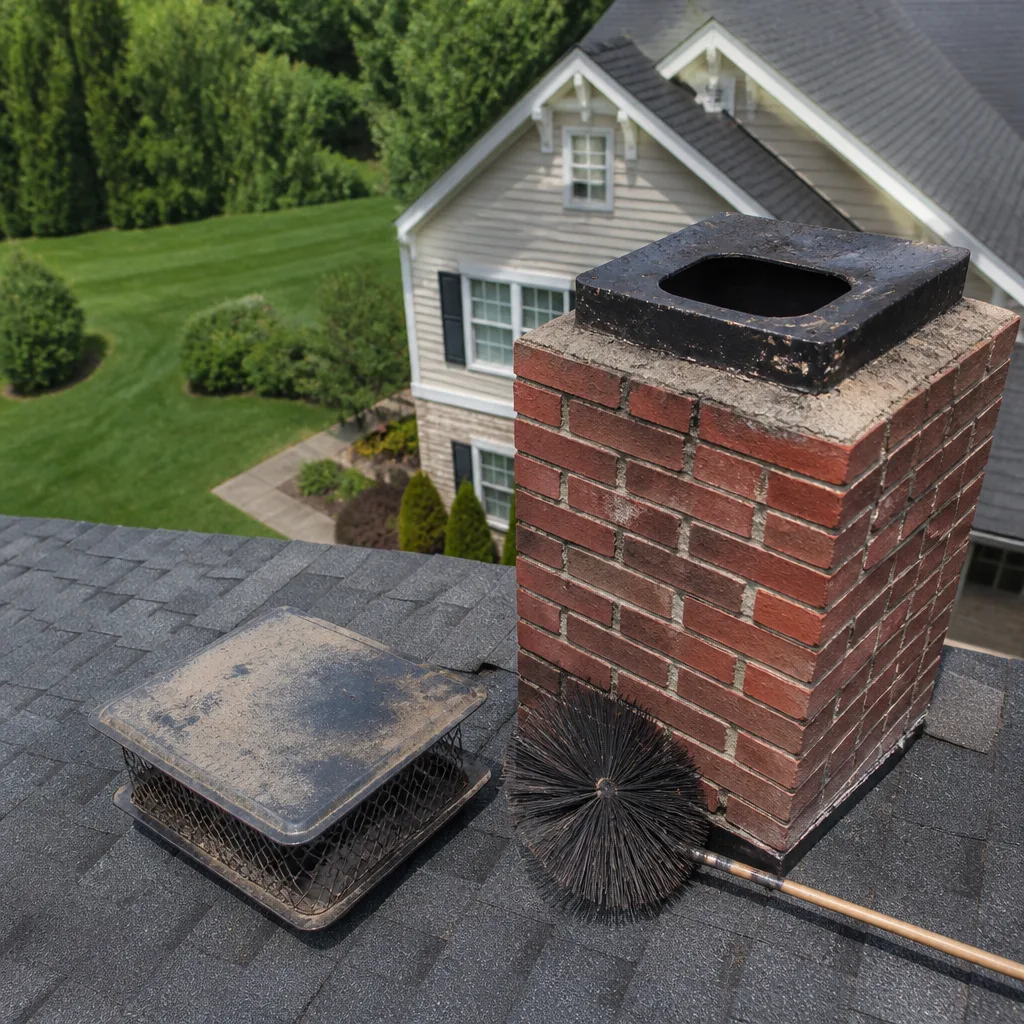 Sweep & inspection
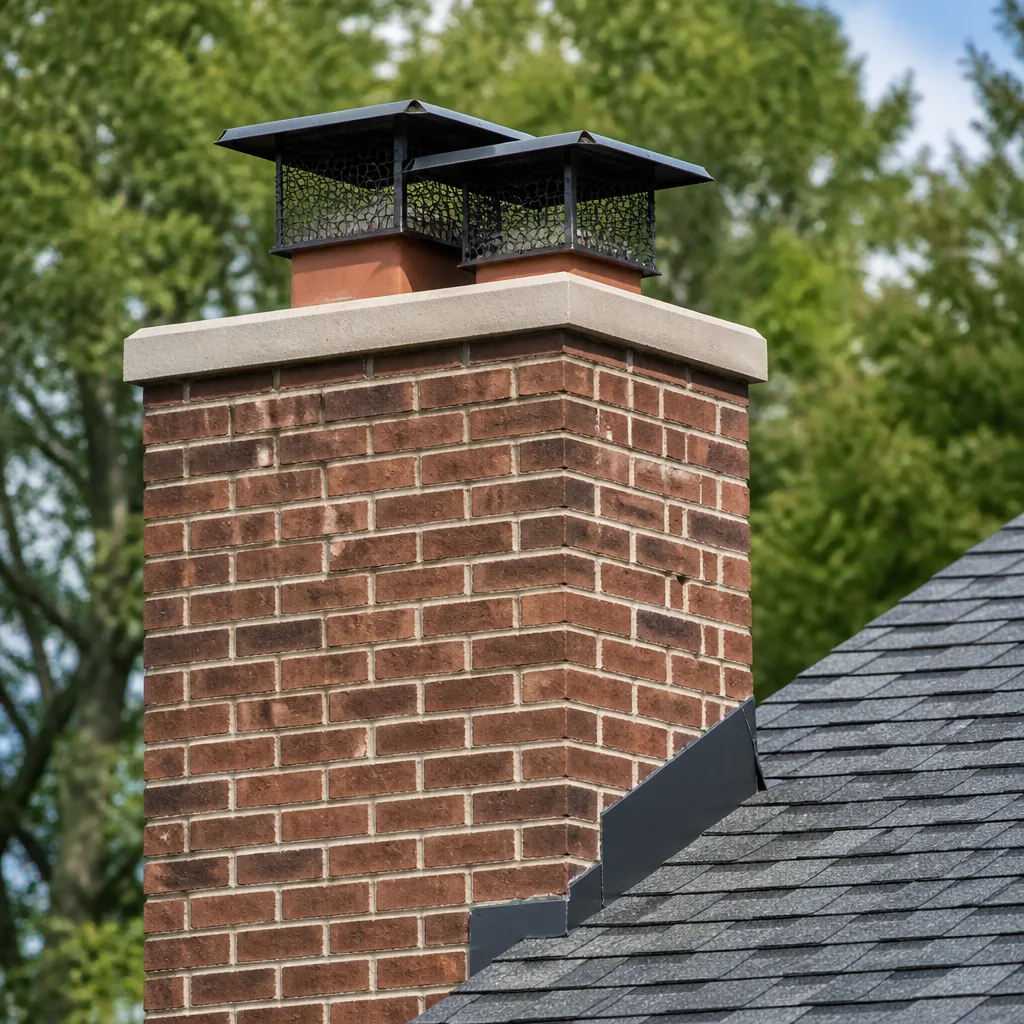 Caps & crowns
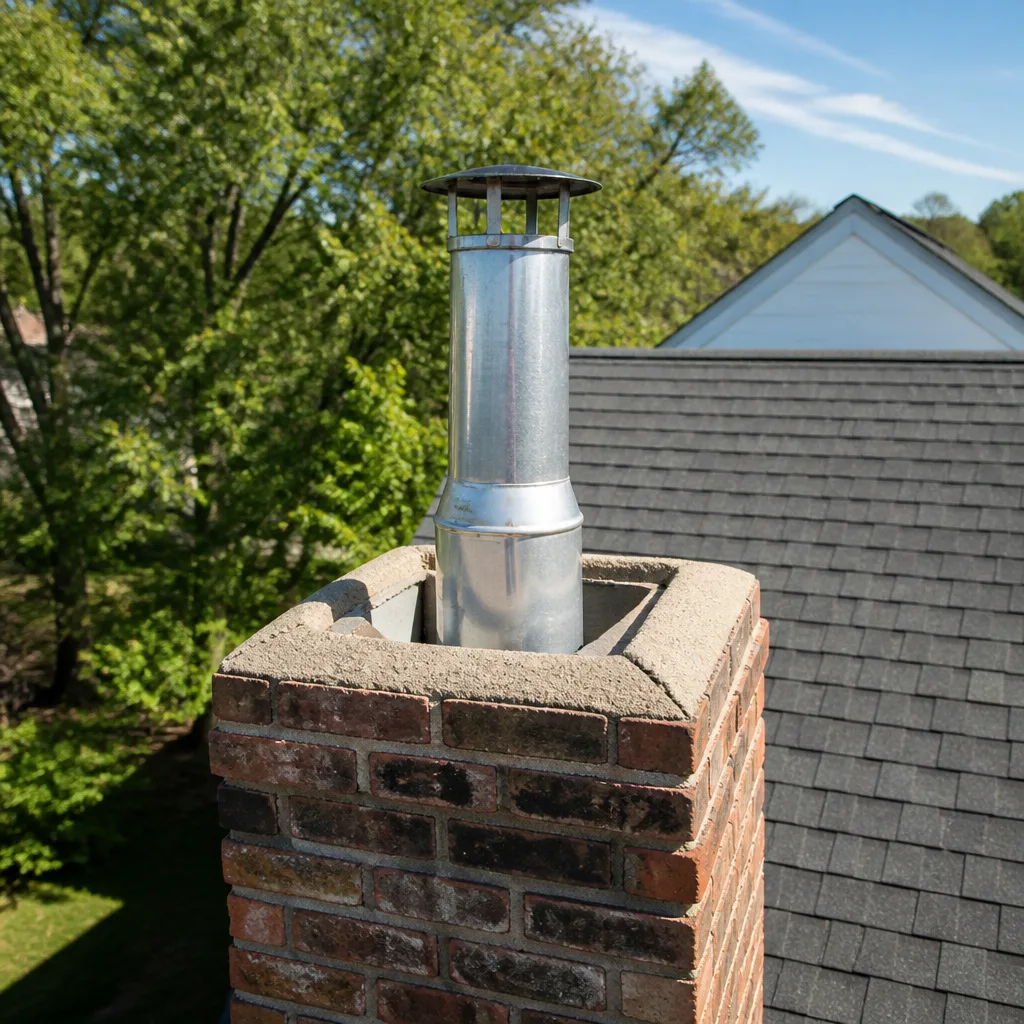 Flue relining
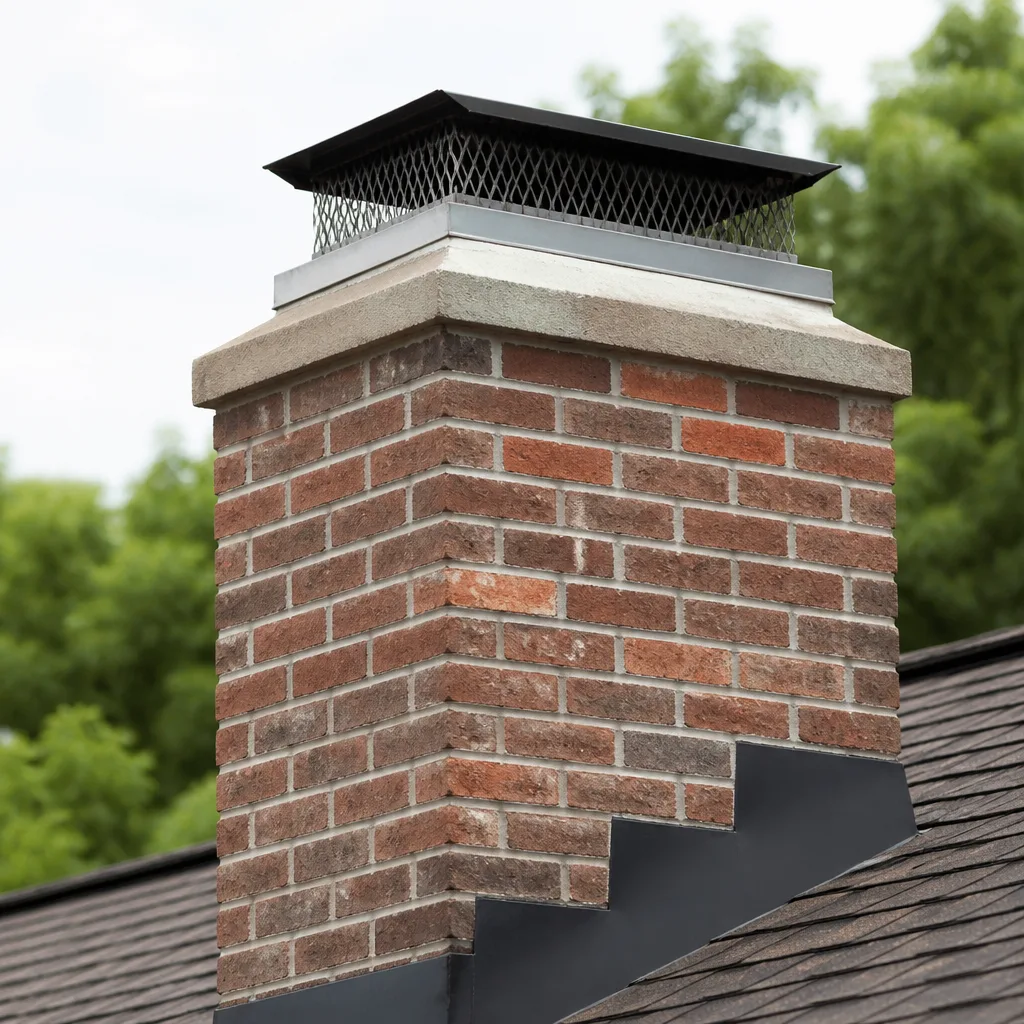 Masonry repair
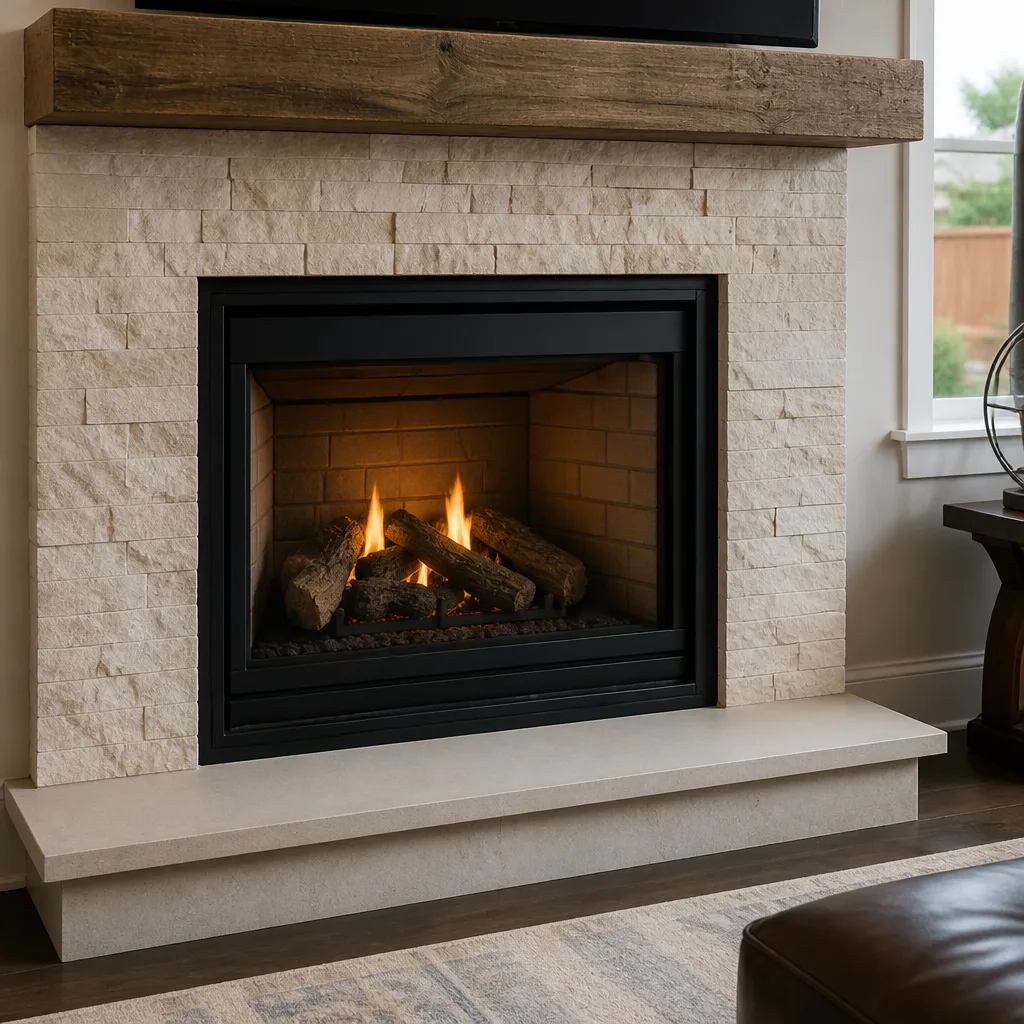 Gas fireplace service
Level 1 sweep and inspection to the NFPA 211 annual standard - flue, crown, cap, and flashing checked and photographed
Chimney sweep logs do not sweep chimneys. They loosen some creosote - which then falls where a brush and vacuum still have to collect it.
Chimney Sweep Maintenance Schedule: What to Do and When
September is the worst month to book a chimney sweep in North Dallas. Everyone else has the same idea at the same time, you’re competing for the last appointments before the first cool front, and by then you’ve lost the chance to fix anything the sweep turns up. The homeowners who get the most thorough work and the shortest waits book in June or July, when the calendar is open and there’s time to order a part or schedule a repair before burning season starts. A single annual sweep isn’t a maintenance schedule. It’s a floor. What actually protects your chimney is the sequence: what you check, when you check it, and what you do about it before the next fire. This guide lays out a month-by-month framework built for North Texas conditions.
Quick Answer
A chimney in North Dallas needs a professional sweep and inspection once a year as a minimum, plus a visual check every 30 days during burning season and any time you notice a problem. Schedule the inspection in early spring, right after your last fire, so water damage and creosote get caught before summer. Book the actual sweep in June or July. If you burn more than one cord of wood a year, plan on two sweeps. The calendar matters less than how much you burn and what the inspection finds.
Styles & brands we work with
- Sweep & inspection
- Caps & crowns
- Flue relining
- Masonry repair
- Gas fireplace service
Table of Contents
- The North Texas Chimney Maintenance Calendar
- Burn Frequency, Not the Calendar, Sets Your Sweep Interval
- Why March Is the Most Important Inspection of the Year
- Spring and Summer: Crown Sealing, Cap Checks, and Flashing
- Fall Sweep Timing in North Dallas
- What to Check Every 30 Days During Burning Season
- The Maintenance Tasks That Void Chimney Warranties
- How to Document Service for Insurance
The North Texas Chimney Maintenance Calendar
Chimney maintenance in North Texas runs on a different clock than it does in New England or the Rockies. Winters here are mild, but they’re unpredictable: a stretch of warm afternoons followed by a genuine hard freeze, then back to mild again. Burning season often starts later and stops earlier than homeowners expect, and the main threats to a chimney here are water intrusion and creosote accumulation, not the deep, sustained cold that damages masonry up north. The schedule below is built around those conditions.
Here’s how a sensible year breaks down for a wood-burning fireplace or insert:
- February or March – post-season inspection. Book this right after your last fire of the year. This is when you catch what a winter of burning and weather did to the flue, the crown, and the cap.
- April – crown and cap repairs. If the inspection found cracked mortar in the crown or a damaged cap, spring is the time to fix it, before summer storms have all season to work water into the masonry.
- May or June – flashing and exterior check. Look at where the chimney meets the roof. Failed flashing is one of the most common sources of water intrusion a generalist sweep never checks.
- June or July – the sweep itself. Booking here keeps you ahead of the September crush and gives you time to schedule any repair the sweep uncovers.
- August – repairs and liner work. Anything the July sweep flagged gets handled now, so you’re not waiting on parts or a crew when burning season starts.
- September or October – pre-season once-over. A visual check of the cap, the damper, and the firebox before the first fire.
- November through February – monthly self-checks during burning season. A five-minute check every 30 days catches early problems.
You’ll notice the actual sweep sits in early-to-mid summer, not fall. That’s deliberate, and it’s the single most useful adjustment North Dallas homeowners can make to a generic annual schedule.
Burn Frequency, Not the Calendar, Sets Your Sweep Interval
How often you sweep should be driven by how much wood you actually burn, not how many months have passed. A homeowner who lights five fires a year and a homeowner who runs an insert most evenings from November through February are not on the same schedule, even if they both live on the same block. The calendar is a rough guide; the cord count is the real signal.
A cord is a stack of firewood 4 feet high, 8 feet long, and 4 feet deep. Most people overestimate how much that is until they see it stacked. As a working framework for North Dallas homes:
- Under half a cord a year (occasional fires on cold nights): one professional sweep and inspection a year is plenty, assuming the inspection looks clean.
- Roughly one cord a year (regular evening burning in winter): one sweep a year, booked in summer, and watch the flue for buildup by mid-season.
- Two or more cords a year, or an insert run for hours most evenings: plan on two sweeps a year, one before the season and one mid-season.
- Burning unseasoned or green wood: this produces more creosote per cord, so treat your burn volume as heavier than the raw count and check more often.
There’s a second variable people miss: how the fire burns. Smoldering, smoky fires with the damper barely open deposit far more creosote than hot, active fires. If your fires tend to smoke a lot, whether because the wood is wet or the draft is weak, you’re accumulating creosote faster than your cord count suggests. That’s exactly the kind of thing a chimney sweep and inspection will reveal, and it’s why we always look at the wood you’re using and how the fire behaves, not just the flue interior.
Creosote is the reason the interval matters at all. It builds up in three forms, and the glazed, hardened kind is the one that catches fire. Sweeping removes it before it reaches the stage where it becomes fuel. Skipping a sweep because the calendar says it isn’t time yet, when you’ve burned two cords, is how chimneys end up carrying a load they shouldn’t.
Why March Is the Most Important Inspection of the Year
The inspection that catches the most expensive problems is the one you do right after the last fire, and that’s typically March in North Dallas. Here’s why the timing is specific: your chimney has just spent a winter absorbing heat from the inside and moisture from the outside. The joints in the flue, the mortar in the crown, and the flashing at the roofline have all been cycling between those conditions for months. Problems that start small in February become masonry repair jobs by July if nobody notices them.
What a post-winter inspection is looking for:
- Cracked or spalling flue tiles. Heat and moisture can crack the tile liner, and a cracked liner lets combustion gases and heat reach the surrounding structure.
- Deteriorated mortar joints. Soft or crumbling mortar in the firebox and smoke chamber is a sign of moisture working its way in.
- Crown damage. The concrete crown that sheds water off the top of the chimney is the roof of the whole system. A hairline crack in spring can let in enough water over a summer to damage the structure below.
- Creosote load. A winter of burning leaves a deposit that should be removed in spring, not left to sit through summer, because it absorbs moisture and gets harder to remove with time.
- Water staining and efflorescence. White powdery deposits on the outside of the masonry mean moisture is moving through the chimney, and it’s the kind of thing you want to catch early.
This is what we mean when we say an inspection isn’t a checklist. It’s how we find what’s causing a problem rather than just noting that one exists. When we find a crack or a soft joint, we document it with a photo and explain what it’s likely to do if left alone, and what it costs to fix now versus later. A lot of what we find in March can safely wait for a summer repair slot. The point is knowing, early, before it becomes a reconstruction.
Spring and Summer: Crown Sealing, Cap Checks, and Flashing
Most chimney work that isn’t sweeping happens off-season, and spring and early summer are the right window in North Dallas because the weather is stable and there’s no fire in use. This is when you fix the things that water will punish you for ignoring.
Crown sealing and repair
The crown is the sloped cap at the very top of the chimney that directs water away from the flue opening. When it cracks, water gets into the masonry from above, and that’s how a lot of summer masonry repairs get started. Sealing a sound crown or repairing a cracked one is an inexpensive step that protects the whole structure. If the crown is beyond a simple repair, rebuilding it is a bigger job, but doing it in dry weather beats discovering the problem in the middle of a storm season.
Cap and flashing check
A chimney cap keeps rain, animals, and debris out of the flue, and it’s one of the most overlooked parts of chimney maintenance. Many homeowners have never looked at theirs. Spring is the time to check that the cap is intact and firmly attached, and that the mesh is clear. The flashing is the metal seal where the chimney passes through the roof, and it’s a leading source of water intrusion. Checking flashing is exactly the kind of step a sweep-only visit skips. Our chimney cap & crown work addresses these two failure points directly, using caps from Gelco and Famco sized to your flue.
The damper
A damper that doesn’t open fully or seal tightly lets heat escape up the chimney when the fireplace is dark and lets conditioned air out of the house. A sticky or rusted damper is worth checking in spring so it’s free and working by fall. Damper issues are also a damper on efficiency, so it’s not just an operational concern.
Summer storm season is when a failed crown or flashing does its damage. Handling these in spring means you’re not dealing with the consequences in July.
Fall Sweep Timing in North Dallas
Here’s where conventional advice and North Texas reality diverge. Every “sweep your chimney in fall” article is describing a schedule built for cold climates where burning season starts in October and runs long. In North Dallas, burning season often starts later, and by the time the first cool nights arrive, September’s booking rush has already passed. Homeowners who wait until fall to call are often waiting weeks for an appointment, and they’ve lost the window to repair anything a sweep uncovers.
The better fall plan is a simple pre-season check rather than a first sweep. By September or October, if you did your sweep in June or July, you already know the condition of the flue. What’s left is a quick visual pass: is the cap still on and clear, does the damper move freely, is the firebox clean of debris, and does the flue look clear when you shine a light up from the firebox. That’s a five-minute task, and it confirms the chimney is ready for the first fire.
If you didn’t sweep in summer, then fall is when you call, and you should call early. There’s no reason to go into the season with a flue you haven’t looked at since last year. And if you’ve had an inspection recently and the flue was clean, there’s nothing wrong with skipping a fall sweep entirely. The recommendation depends on what your burn volume and last inspection showed, not on the season. A chimney that was swept in July and saw no fires since is still clean in October.
One thing to check in fall that’s specific to a mild climate: whether wildlife or birds nested in the flue during the off months. A cap that’s missing or damaged lets animals in, and a blocked flue is a carbon monoxide hazard the moment you light the first fire. This is a real reason to look before you burn, not just to sweep.
What to Check Every 30 Days During Burning Season
During the months you’re actually burning, a quick self-check every 30 days catches the early signs of problems before they become serious. None of this involves getting on the roof or reaching into the flue. These are visual and operational checks a homeowner can safely make:
- Look up the flue from the firebox. Shine a flashlight up and see whether the flue looks clear. A visible obstruction, a heavy buildup, or anything that looks like it’s narrowing the passage is a reason to call.
- Watch the smoke at startup. A fire that smokes into the room instead of drafting up the flue can signal a partial blockage or a damper problem.
- Check the firebox for fresh cracks or crumbling mortar. Small changes are worth noting so you can point to them at the next inspection.
- Listen for unusual sounds. Popping, rumbling, or a roar that sounds different from your normal fire is worth investigating, not ignoring.
- Sniff for smoke in the house when the fireplace is dark. A closed damper or a failing seal can let smoke smell in even when you’re not burning.
- Look at the woodpile. Wet or green wood creates more creosote and more smoke. If you’re burning unseasoned wood, shorten your check interval.
- Consider a carbon monoxide alarm. Every home with a wood-burning appliance should have one on each level and near sleeping areas. This is a general safety baseline, not a substitute for an inspection.
These checks are about noticing changes, not fixing anything. If any of them turns up something that concerns you, that’s the moment to schedule an inspection rather than the end of the season.
Safety note: never attempt to clean creosote out of a flue yourself, and never reach into the smoke chamber or firebox to inspect what you can’t see clearly. Creosote can ignite, and a blocked flue can release carbon monoxide into the home. A trained professional with the right tools and a camera is the safe way to determine what’s actually inside your chimney.
The Maintenance Tasks That Void Chimney Warranties
Chimney components come with manufacturer warranties, and most of them have conditions attached. If you’ve had a liner or a cap installed, the warranty likely assumes the chimney is inspected and swept on a reasonable schedule, and that repairs are done with compatible materials. Skipping the maintenance can void the coverage, which means a failure that would have been covered becomes your bill.
The maintenance tasks that most often affect warranty coverage:
- Annual inspection and sweeping. Most liner warranties assume the chimney is maintained, so an unmaintained flue can void coverage even if the liner itself wasn’t at fault.
- Crown and cap upkeep. A cap that’s allowed to rust through or fall off exposes the flue to water, which is a common reason a warranty claim gets denied.
- Installing incompatible parts. Mixing components from different systems can void a warranty, which is one reason we match the right product to the job rather than grabbing whatever’s on hand.
- Burning the wrong fuel. Burning trash, treated wood, or anything other than appropriate firewood can cause damage a warranty won’t cover.
This is where using professional-grade, documented materials matters. When we install a DuraFlex flexible liner system, it’s a product with a manufacturer warranty behind it when it’s installed correctly. When we resurface a liner with HeatShield, that’s a repair method backed by the manufacturer when it’s applied properly. The paper trail matters as much as the product, because a warranty is only as good as your ability to prove the work was done right. Our chimney repair work is documented this way for exactly that reason.
How to Document Service for Insurance
If you ever have a chimney fire or a water damage claim, your insurance company will want to see that the chimney was maintained. A stack of receipts with no detail doesn’t tell the story. What helps is a record that shows what was checked, what was found, and what was done.
A good service record includes:
- The date of each inspection and sweep. A timeline showing regular maintenance.
- Photos of what was found. Before-and-after photos, or photos of a clean flue after a sweep, prove the condition at the time of service.
- The materials used. If a liner, cap, or crown repair was done, the product name and manufacturer should be on the record.
- Any issues noted but not repaired. If an inspection flagged a crack that you chose to monitor, documenting that you were informed protects you.
- A written report. A clear summary of condition and recommendations, kept with your home records.
We document what we find before we recommend anything, and every job comes with a report you can file. For a homeowner in North Dallas with a wood-burning insert, that record is the difference between a smooth claim and a disputed one. The pre-purchase inspection is also worth noting: if you’re buying or selling a home with a fireplace, a documented inspection is often requested as part of the transaction.
Common Mistakes to Avoid
- Waiting until September to book the sweep. Peak demand means long waits and no time to repair what the sweep finds. Booking in June or July keeps you ahead of the rush and gives you a summer repair window.
- Sweeping on a fixed calendar date regardless of burn volume. Two cords a year is not the same maintenance load as a few occasional fires. Let how much you burn drive your interval, not the month on the wall.
- Skipping the post-winter inspection. The damage a winter leaves behind is easiest and cheapest to fix in spring. A chimney that’s inspected only in fall has been carrying a season’s worth of problems through the hottest months.
- Never looking at the cap and crown. These are the leading sources of water intrusion, and a sweep-only visit often skips them entirely. Check the cap is on and clear, and the crown is sound.
- Ignoring a smoking fire. Smoke that rolls into the room instead of drafting up is a signal, not a quirk of the fire. It usually means a blockage, a damper issue, or a draft problem.
- Burning wet or green wood to save money. It produces more creosote per cord, which means more frequent sweeping and more risk. Seasoned wood burns cleaner and lets you stretch the interval.
- No service records. Without documented inspections and photos, you have no proof of maintenance if you ever need to file a claim. Keep the report from every visit.
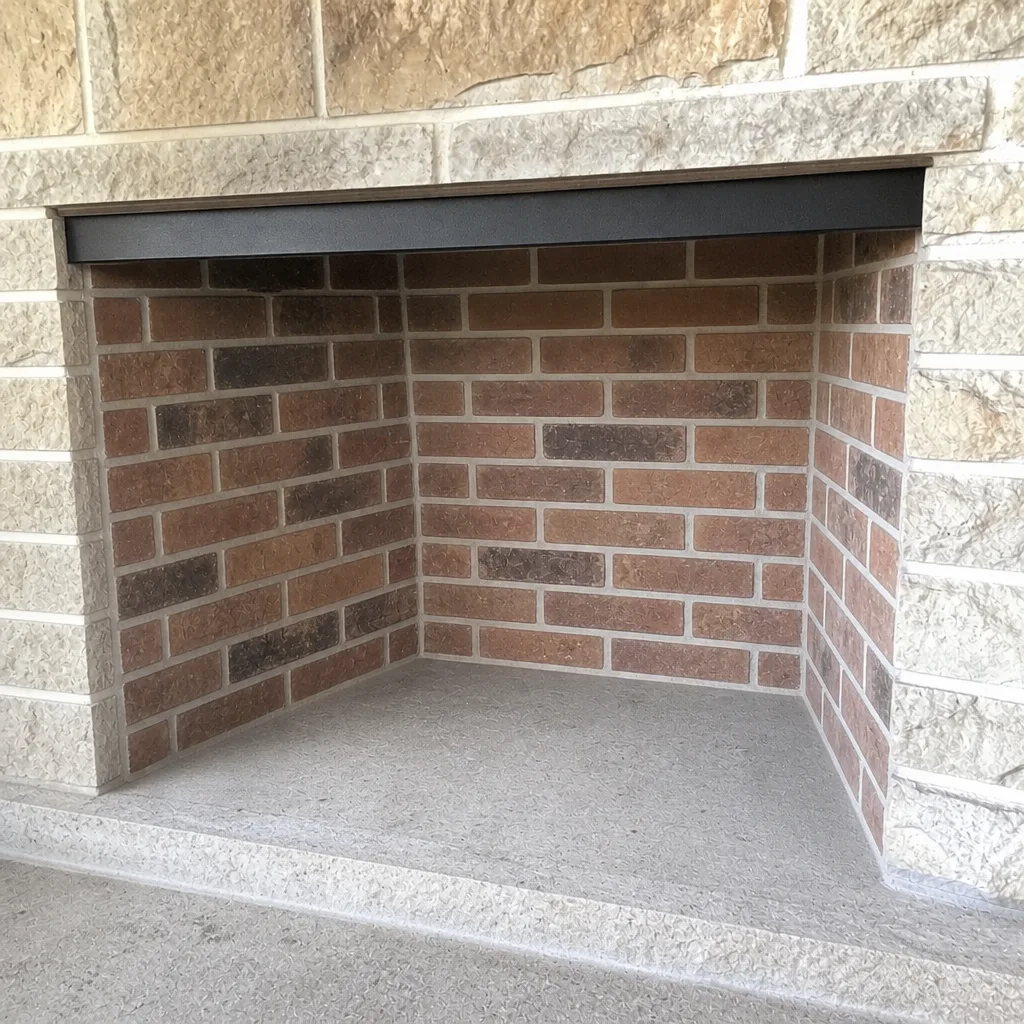
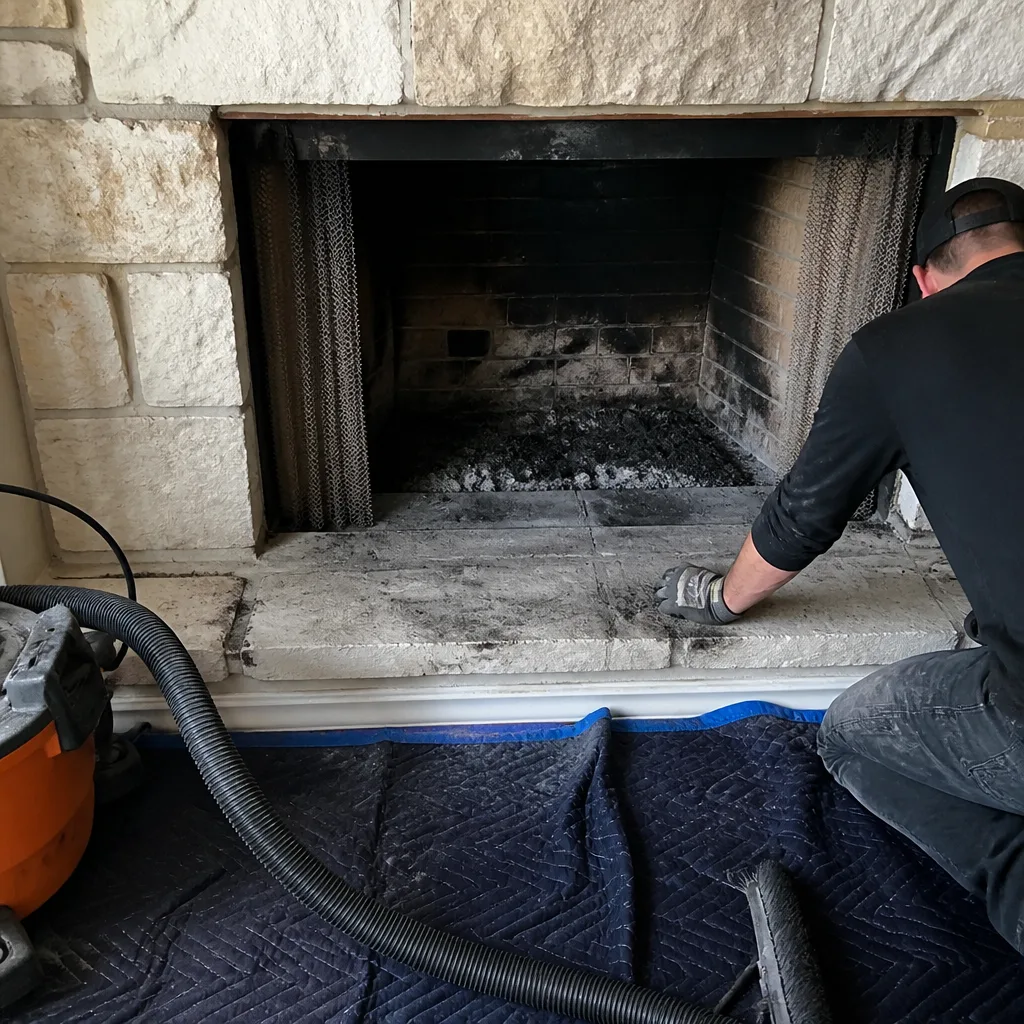
See the difference
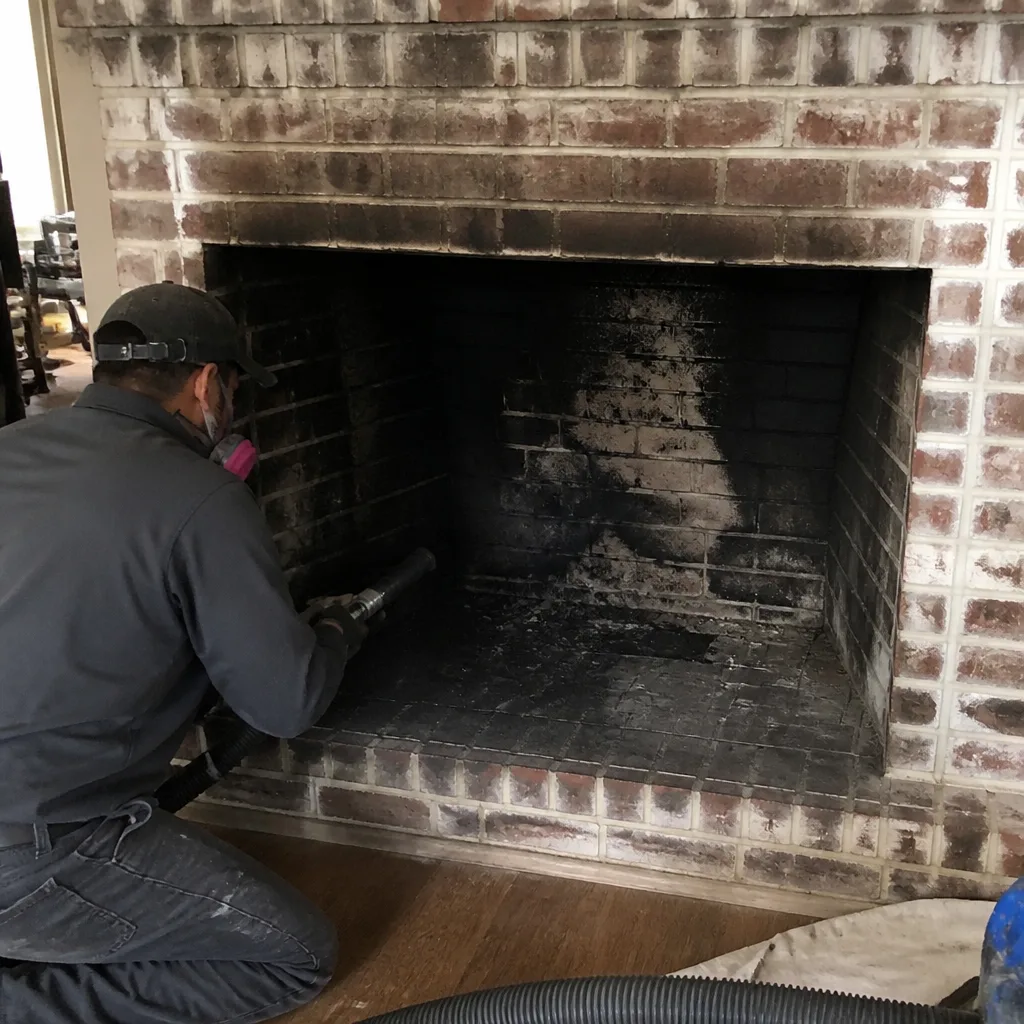 Before
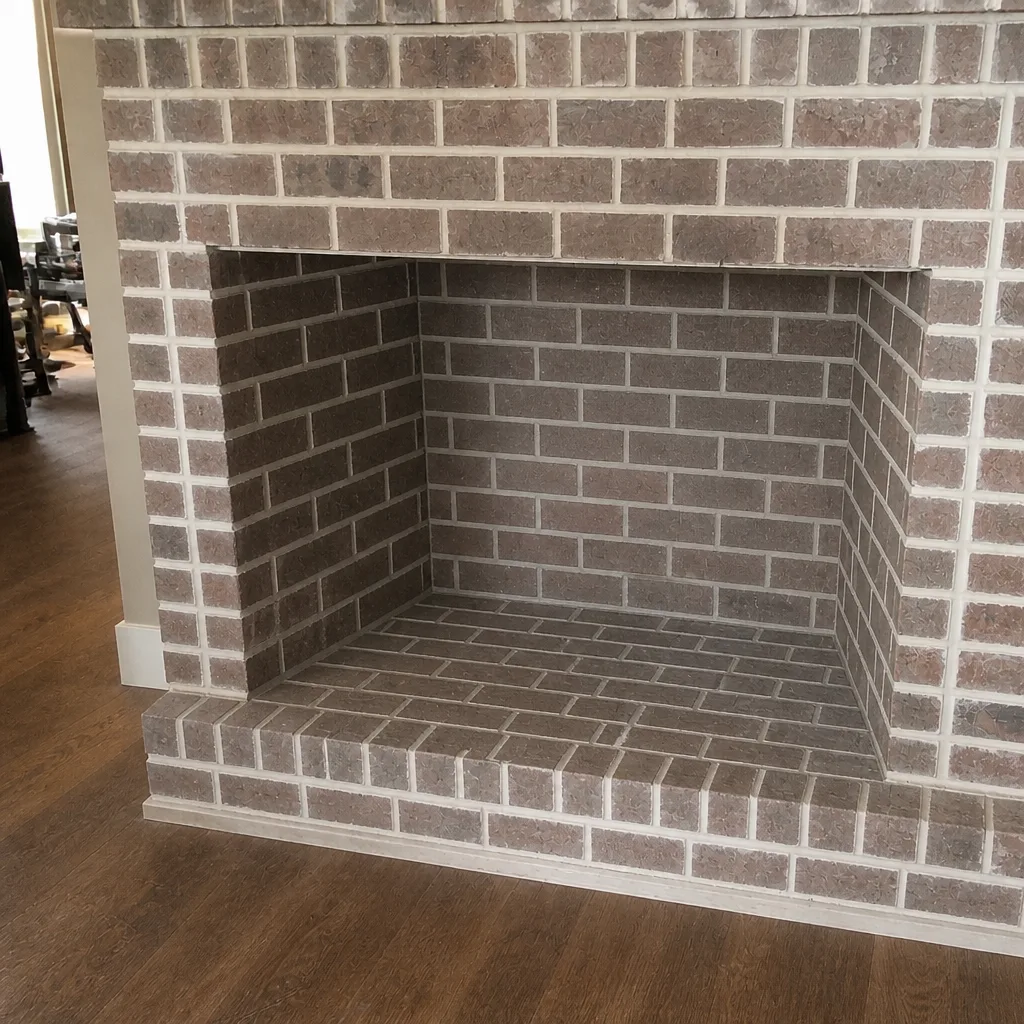 After
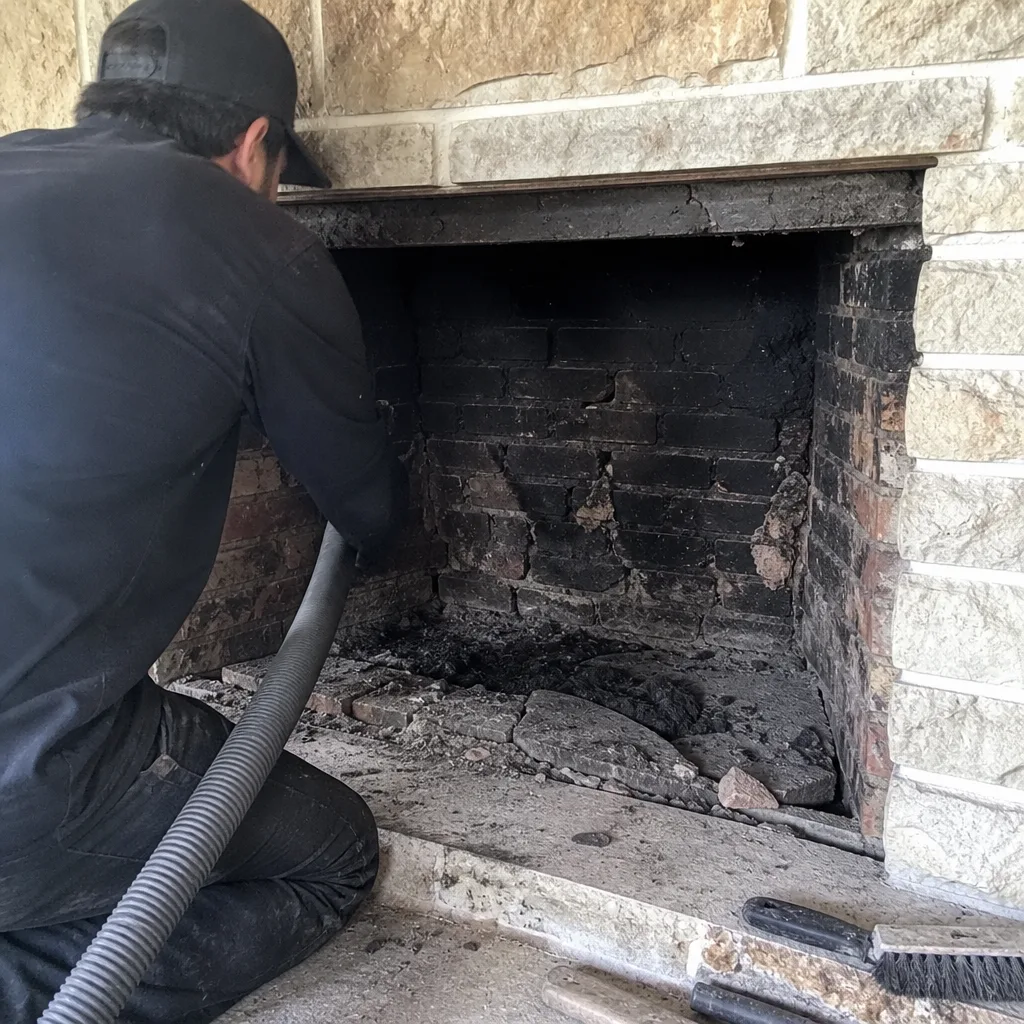 Before
 After
 Before
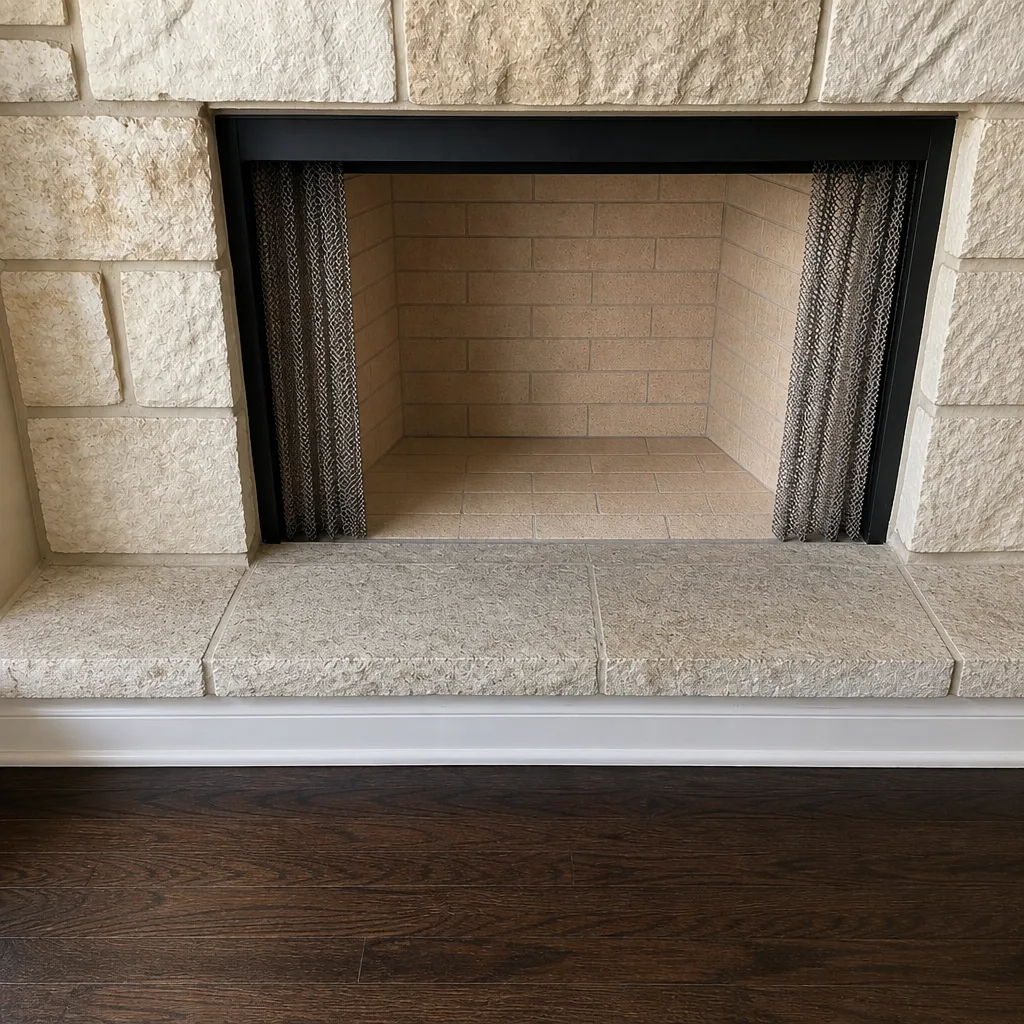 After
When to Call a Professional
Some things you should never handle yourself. Call a professional if you see cracking or crumbling in the flue or firebox, if a fire smokes into the room and won’t stop, if you smell smoke in the house when the fireplace is dark, if the cap is missing or damaged, or if it’s been more than a year since your last inspection. Any of these means it’s time for a trained eye and a camera inside the flue. We connect North Dallas homeowners with vetted local professionals who document what they find before recommending anything, and we use products like HeatShield and DuraFlex when a repair is actually needed. Chimney Sweep North Dallas offers free estimates in North Dallas – call (833) 468-3242.
Frequently Asked Questions
At minimum once a year, and twice a year if you burn two or more cords of wood or run an insert most evenings. The interval should follow your burn volume, not just the calendar. Book the sweep in June or July to avoid the fall rush, and schedule the inspection right after your last fire in early spring. Call (833) 468-3242 for an exact quote – estimates are free.
For North Dallas homes, spring and early summer are better. A post-winter inspection in March catches water damage and creosote before summer, and a June or July sweep leaves time to repair anything it finds. Fall is the peak-demand season, so waiting until then means longer waits and no repair window. Call (833) 468-3242 to get on the schedule.
Creosote accumulates, water damage progresses unnoticed, and small cracks become larger repairs. A skipped year also risks voiding a component warranty and leaves you without documentation for an insurance claim. None of this is a guarantee of a problem, but it removes the early warning that makes problems cheap to fix. Call (833) 468-3242 for a free estimate.
Yes, for visual checks only. Every 30 days during burning season, look up the flue from the firebox with a flashlight, watch how the fire drafts, check the firebox for fresh cracks, and confirm the cap is intact. Never clean creosote or reach into the smoke chamber yourself – that’s a job for a trained professional. Call (833) 468-3242 if anything looks wrong.
Look for white powdery staining on the exterior masonry, rust on the damper or cap, crumbling mortar, or water stains around the firebox. These point to water getting in through a cracked crown, failed flashing, or a missing cap. The fix is usually cheaper in spring than in summer. Call (833) 468-3242 and we’ll take a look.
Our pricing is set per job by a written estimate, agreed before the work is booked, so the estimate you receive is the price you pay. What changes in peak season is availability, not the estimate. The reason to book in summer is to avoid the September wait and keep a repair window open. Call (833) 468-3242 for a free estimate.
The Bottom Line
A once-a-year sweep is the minimum, not the plan. The North Dallas schedule that actually protects a chimney runs on sequence: a post-winter inspection in early spring, crown and cap work before the summer storms, the sweep itself in June or July, a pre-season check in fall, and a five-minute self-check every 30 days during burning season. Let your burn volume set the interval, not the calendar. Keep a written, photographed record of every visit. And when an inspection finds something, fix it before it becomes a reconstruction. From the cap down to the firebox, the whole system is worth a look each year. If you’re due for a sweep or an inspection, Chimney Sweep North Dallas can help. Call (833) 468-3242 for a free estimate. We answer 24/7. Fast dispatch, 7am-7pm, Sunday through Friday.
Written by the team at Chimney Sweep North Dallas.