
Last updated November 25, 2026
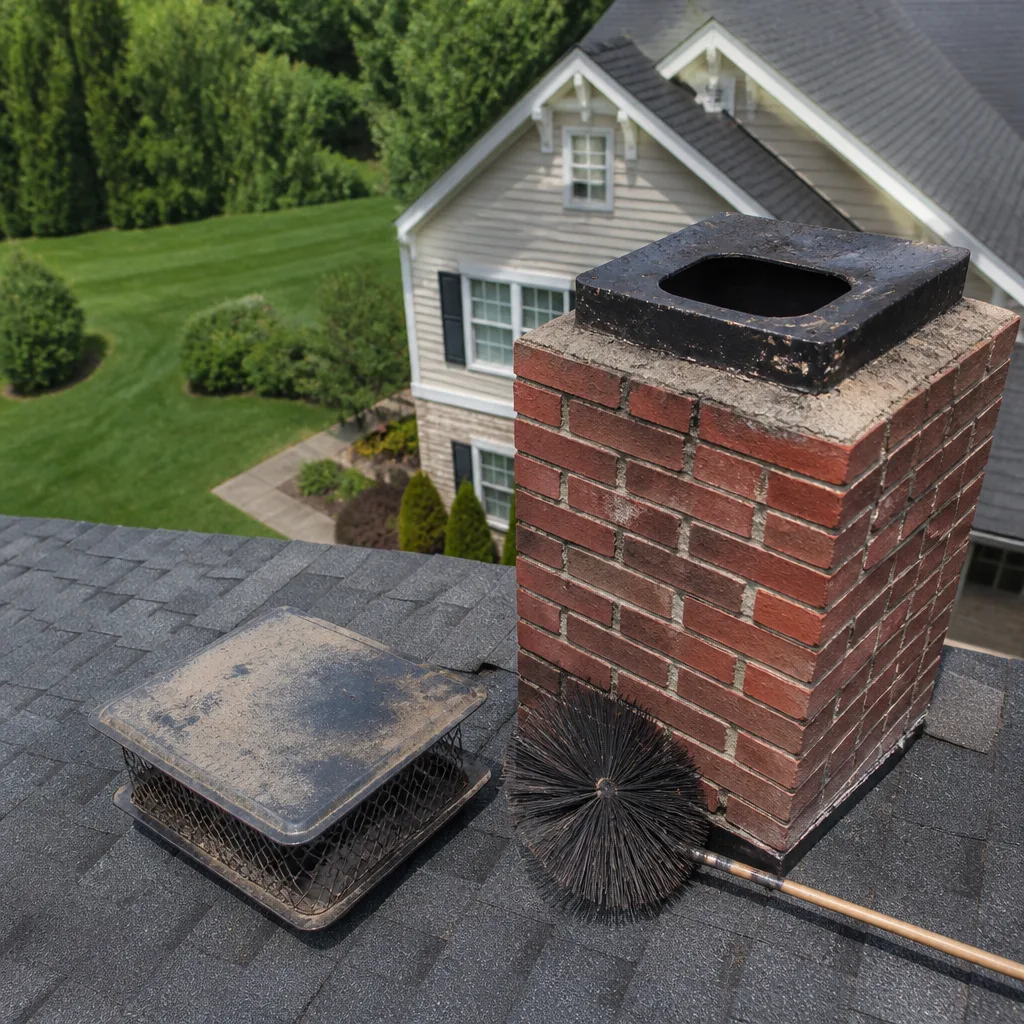 Sweep & inspection
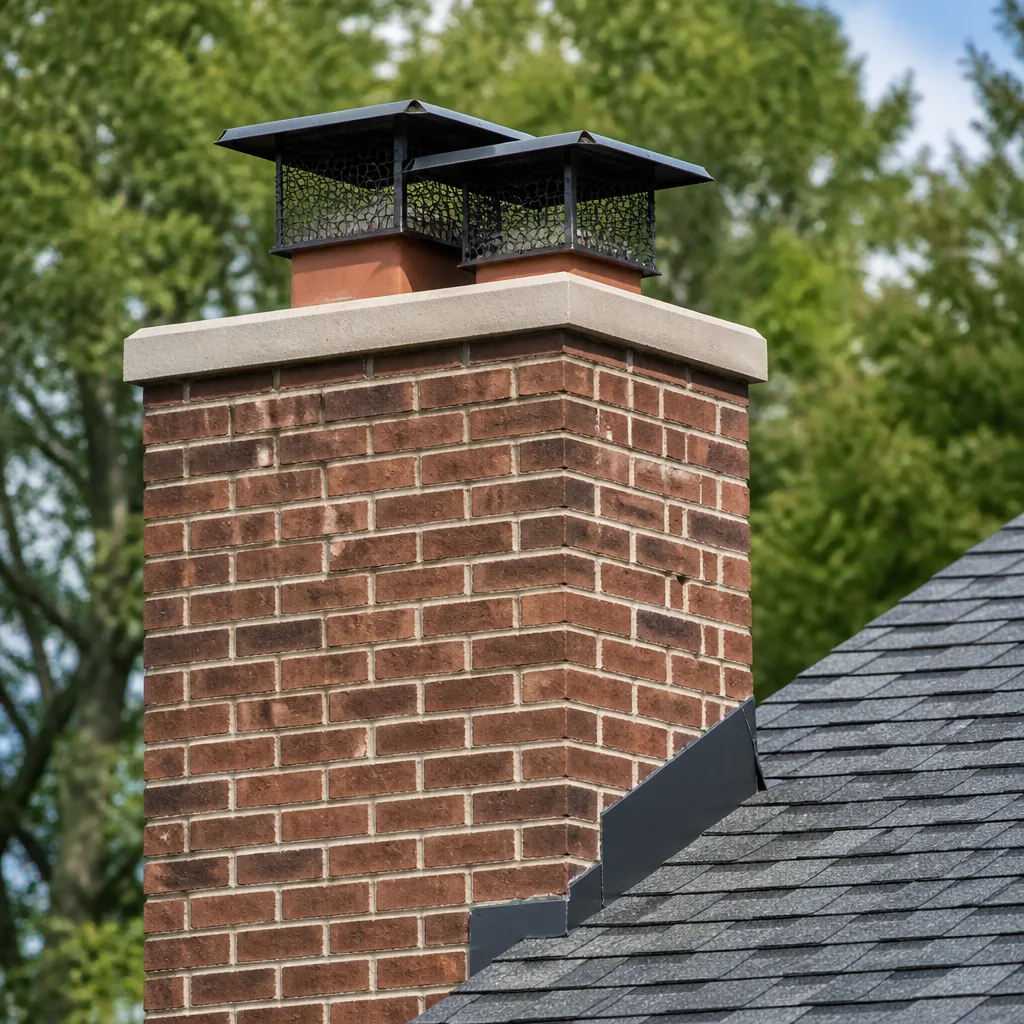 Caps & crowns
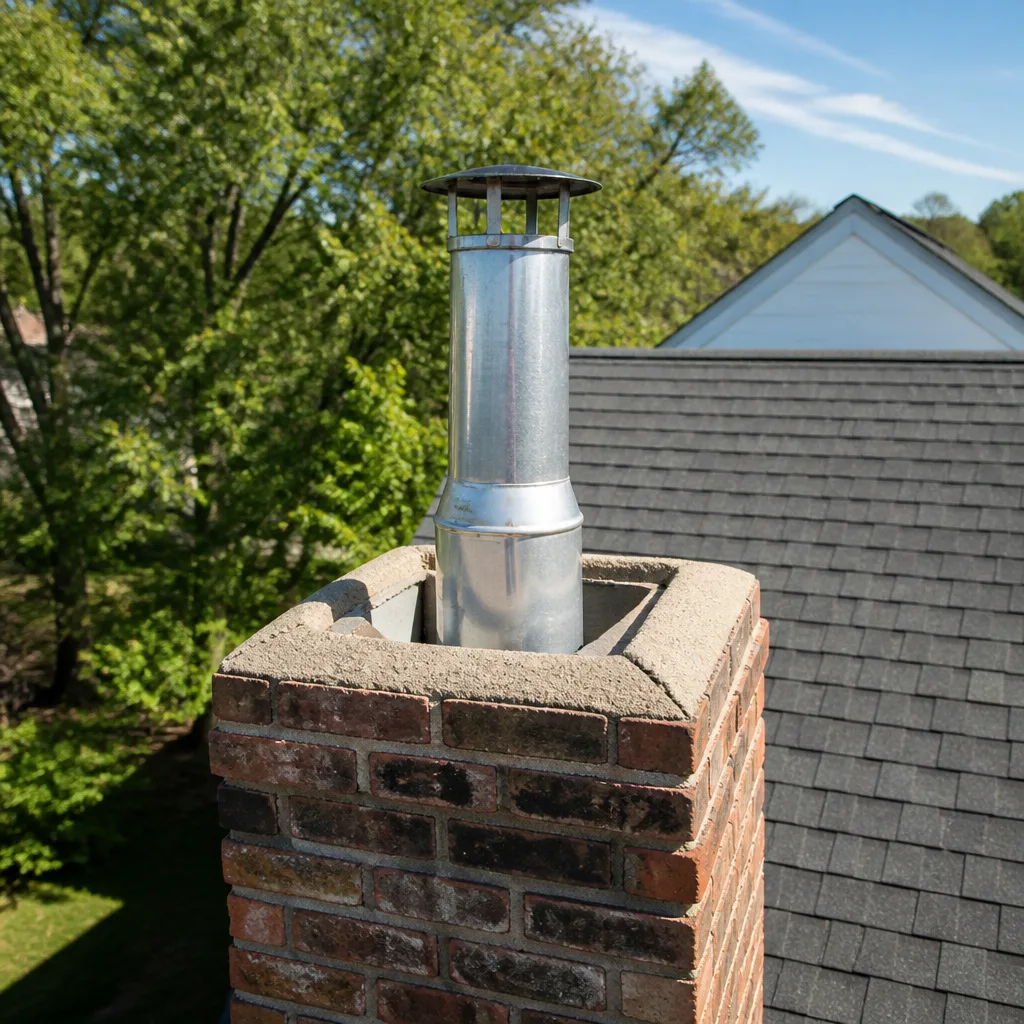 Flue relining
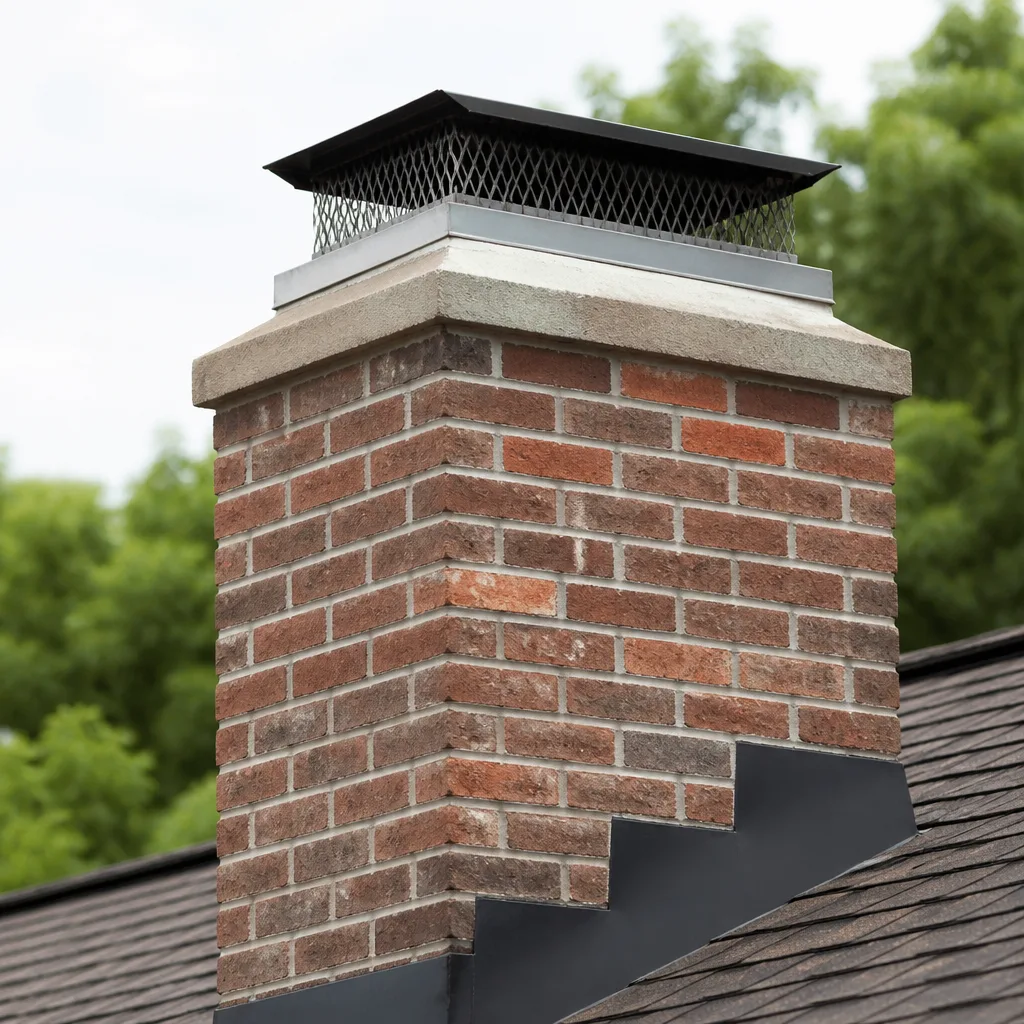 Masonry repair
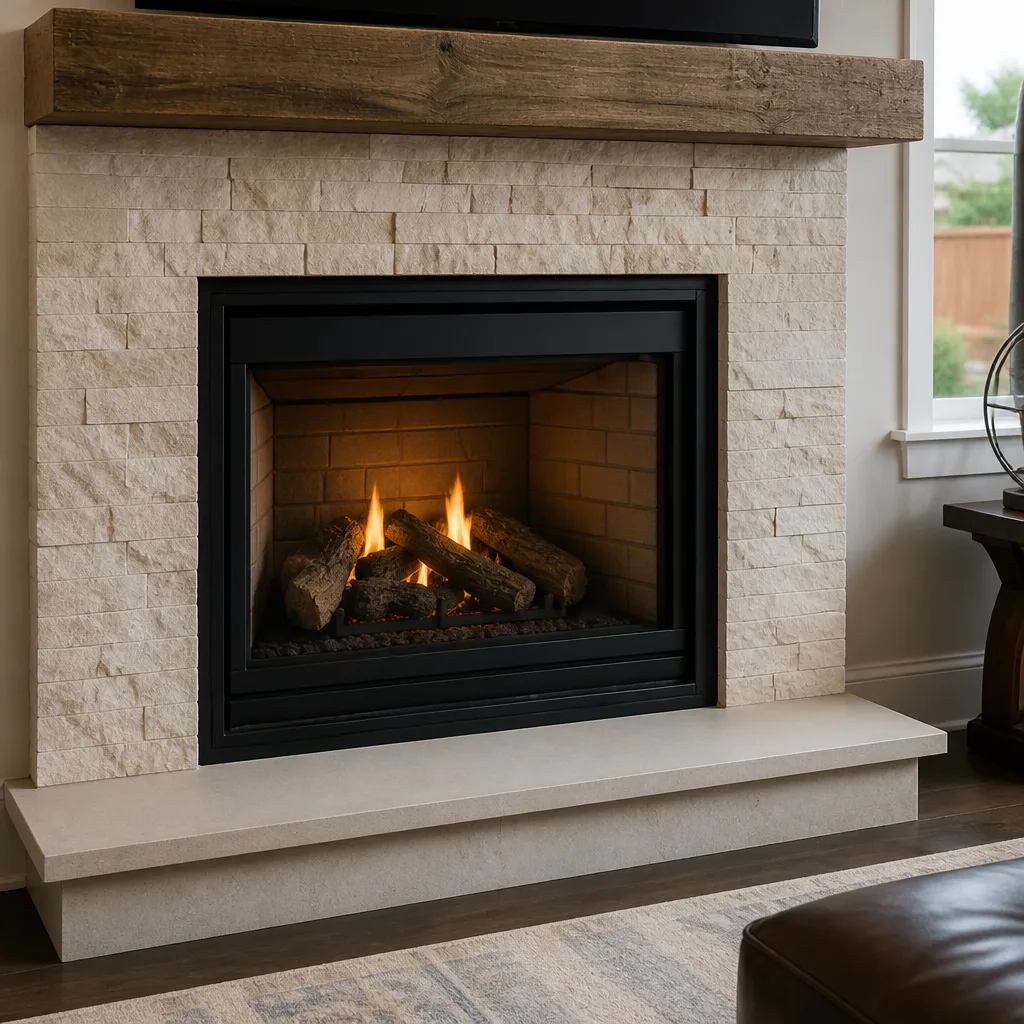 Gas fireplace service
Level 1 sweep and inspection to the NFPA 211 annual standard - flue, crown, cap, and flashing checked and photographed
Chimney sweep logs do not sweep chimneys. They loosen some creosote - which then falls where a brush and vacuum still have to collect it.
Chimney Sweep Troubleshooting in North Dallas: Common Problems and How to Fix Them
If your fireplace smokes into the room every time the wind shifts from the north, the culprit probably isn’t your damper. More often, it’s negative air pressure: your home’s HVAC system pulling harder on the house than the flue can pull on the firebox, so the chimney reverses and pushes exhaust back down. That single misconception sits behind a lot of the guesswork we see. Homeowners replace dampers, open windows, crack doors, and still get smoke in the living room. This guide maps each common symptom to its actual mechanical cause inside the flue system. You’ll learn to tell backdraft from blockage from negative pressure, read creosote stages by smell and residue, run a simple draft test, and know which problems need a professional camera inspection versus a five-minute adjustment. We work in North Dallas, and we’ve traced these problems across the neighborhoods here for years.
Quick Answer
Most chimney problems in North Dallas trace back to one of four causes: airflow competition inside a tight house, a blocked or undersized flue, creosote buildup at stage 2 or 3, or water intrusion through a cracked crown or missing cap. Backdraft is almost always a pressure problem; smoke that appears only during cold starts is usually a flue-warming issue; and smells that show up on warm, damp days point to creosote or moisture. A camera inspection separates the ones you can fix with a damper or cap from the ones that need real repair.
Styles & brands we work with
- Sweep & inspection
- Caps & crowns
- Flue relining
- Masonry repair
- Gas fireplace service
Table of Contents
- Symptom to Cause: A Diagnostic Map
- Backdraft, Blockage, or Negative Pressure: How to Tell Them Apart
- Why North Dallas’s Clay-Rich Soil Cracks Chimney Crowns
- The Match Test: Flue Height vs. Firebox Opening
- Reading Creosote Stages 1, 2, and 3 by Smell and Residue
- Camera Inspection vs. a Quick Fix
- Smells, Stains, and Water: Tracing Intrusion
- Common Mistakes to Avoid
- When to Call a Professional
- Frequently Asked Questions
Symptom to Cause: A Diagnostic Map
Before anyone grabs a tool, write down what the fireplace actually does. The pattern tells you where to look.
- Smoke rolls out on cold starts only, then clears. Cold flue. The chimney hasn’t warmed enough to establish upward draft. Usually self-corrects once the flue heats up.
- Smoke appears when the furnace or AC runs. Negative pressure. Your HVAC is drawing air from the room and outcompeting the flue.
- Smoke appears when winds hit from a certain direction. Downdraft from a short flue, a missing or loose cap, or a chimney positioned below nearby rooflines.
- Smoke appears any time you burn. Blockage or an undersized flue. Something is physically restricting flow.
- A sour, smoky smell on warm days. Creosote or moisture in the flue.
- Water stains on the firebox walls or damper. Cracked crown, missing cap, or failing flashing.
Each symptom maps to a different layer of the chimney system: the cap and crown up top, the flue in the middle, the damper and firebox at the bottom, and the pressure balance of the house around all of it. Diagnosis is a process of elimination, not a guess. That’s the reason our own work starts with documentation. We photograph what we find so the fix makes sense before anyone sees a price. If you’ve never seen how a full chimney sweep works end to end, the sweep itself is often step one because it clears residue that masks the real problem.
Most homeowners in North Dallas read these symptoms as a single problem (“my chimney is broken”). In practice, a smoking fireplace and a water stain on the damper are two separate issues that happen to live in the same chimney. Treat them separately and each one becomes manageable.
Backdraft, Blockage, or Negative Pressure: How to Tell Them Apart
These three are the hardest to separate, and they get misdiagnosed constantly. Here’s the practical way to sort them before you call anyone.
Backdraft
Backdraft is smoke reversing direction because the pressure outside the firebox is higher than the pressure inside the flue. It’s a pressure phenomenon, not a physical blockage. You’ll typically see it on cold mornings, when the house is sealed, the kitchen fan or bath fan is running, or when a nearby taller chimney shares the wind stream.
Blockage
Blockage is physical restriction. A bird nest, a fallen cap, a collapsed flue tile, or a leaf pack at the top of the chimney. Blockage doesn’t care which way the wind blows or whether the HVAC is on. It’s smoke, all the time, at every burn.
Negative pressure
Negative pressure is the sealed-house problem. Modern construction and replacement windows make a house very tight. When the HVAC system, exhaust fans, or a range hood pull air out of the living space, the house pulls replacement air from wherever it can, and the chimney becomes one of the easiest paths. The flue reverses. Smoke appears specifically when the furnace kicks on.
Here is how to test which one you’re dealing with:
- Open one window a crack in the same room as the fireplace and burn a small fire. If the smoke issue disappears, you’re dealing with negative pressure, not a flue problem.
- Shut off every exhaust fan in the house (kitchen, bath, dryer) and try again. Persistent smoke means you may have blockage or backdraft.
- Go outside and look at the chimney top. A missing cap, an obviously damaged crown, or a visible obstruction is your answer for blockage.
- If it smokes only on certain wind directions, you’re looking at downdraft from flue height or a weak cap, not a blockage.
That window test is worth a lot. Fixing negative pressure can mean as little as adding a fresh-air intake or rebalancing a furnace. Fixing blockage means a sweep and a physical clear-out. Fixing backdraft often means raising the flue or upgrading the cap.
Why North Dallas’s Clay-Rich Soil Cracks Chimney Crowns
Chimney crowns in North Dallas crack faster than crowns in most of Texas, and the reason sits underneath the house. North Dallas sits on expansive clay soil. When the ground swells and shrinks through wet and dry seasons, the foundation rises and settles slightly, and that movement transfers into the masonry above it. The crown is the horizontal concrete or mortar cap that sits on top of the chimney and sheds water away from the flue. It’s the most rigid, most exposed piece of the chimney, so it takes the most stress. Tiny hairline cracks open up, water seeps in, and the next thing you know you have a rusted damper, a flaking firebox, and a “flue problem” that isn’t a flue problem at all.
Here’s what a failing crown usually looks like:
- Hairline cracks radiating from the flue tile, or a visible gap where the crown meets the flue
- A crown that’s flat or pitched toward the flue instead of away from it
- Efflorescence (white powder) on the outside of the chimney breast
- Water stains on the damper frame or rust on the damper door
- Crumbling mortar in the crown itself after a wet season
We use Famco and Copperfield chimney caps to close off the top of the flue and keep water, birds, and debris out, because the cap and crown are the first line of weather defense. If the crown itself is cracked, it may need rebuilding with a proper slope and a bond break at the flue so it can move without splitting. That’s a chimney cap & crown job, not a sweep job. A lot of sweep-only companies never climb onto the crown at all, which is how a crown crack turns into thousands of dollars of interior damage during the next heavy rain.
This is also where North Dallas’s wet springs and dry summers make themselves felt. A crown that loses its slope will funnel water into the flue, and once the flue lining gets wet, you’ll start seeing the symptoms: smoke, smells, and a firebox that won’t draft. Address the crown first. Everything below it gets easier.
The Match Test: Flue Height vs. Firebox Opening
When your fireplace won’t draw, the question becomes: is the flue too short, or is the firebox opening too big? Those are two different fixes. And you can narrow it down with a lit match.
How the test works. Light a match or a small piece of paper, hold it near the top of the firebox opening, and watch the flame and the smoke.
- If the smoke pulls straight up and into the flue with no hesitation, your draw is fine and the fireplace problem is elsewhere.
- If the smoke lingers, drifts into the room, or curls back toward you, you have draft failure.
- If the smoke pulls fine with a window open but stalls when the room is sealed, that’s negative pressure (see the previous section).
- If the smoke pulls fine in mild weather but backdrafts on cold mornings, you’re looking at cold flue start-up, which is a warming issue, not a height issue.
How flue height plays in. The general rule of thumb in the trade is that a chimney needs to be tall enough to clear the roof and nearby rooflines and still have at least a few feet of height above the highest point. A flue that ends too close to the roofline will backdraft on windy days.
How firebox opening plays in. The proportions matter, too. If the firebox opening is too large relative to the flue, the flue can’t pull enough air up to keep the smoke moving. A rough rule of thumb: a firebox opening should not be significantly wider than the flue cross-section it feeds into. If you’ve ever seen a fireplace with a giant square opening and a small round flue behind it, you’ve found the cause of the smoking.
You can measure both yourself. Open the firebox and use a tape to record the opening width and height. Take a look at the flue cross-section from the damper up. Those two numbers alone often tell you whether you’re looking at a height problem, a firebox-ratio problem, or both. If you’d like a trained eye on it, we bring a camera and a set of measurements, and you’ll see exactly what we see. This is part of every chimney inspection we perform.
Reading Creosote Stages 1, 2, and 3 by Smell and Residue
Creosote is the residue left behind when wood smoke condenses inside the flue. It is not one thing. It comes in three distinct stages, and each one requires a different fix. Knowing which stage you’re looking at saves you from being sold a rebuild you don’t need, and it saves you from ignoring a problem you shouldn’t.
Stage 1: Soot and light flake
The flue has a dusty, dry, gray-black coating that brushes off easily. The smell is faint and ashy. This is the normal state of a well-maintained chimney. It doesn’t cause dramatic problems yet. A standard sweep removes it.
Stage 2: Shiny black crust
The coating becomes denser and shinier, often with visible streaks and a tar-like sheen. The smell becomes smoky and slightly acidic, and it gets stronger on humid days. Stage 2 creosote is harder to remove and is where a lot of homeowners start noticing a smoke smell in the house even when there’s no fire. A standard sweep plus a chemical treatment often handles it. It’s also the stage where the flue lining should be checked with a camera, because a shiny crust that thick indicates a firebox that’s running below ideal burn temperature.
Stage 3: Glazed, tar-like, puffed
The residue looks like hardened tar or bubbled plastic, and it doesn’t brush off. The smell is strong, sour, and persistent. Stage 3 is the most combustible form, and it needs special removal. The standard brush can’t do it. This is the stage where we use HeatShield, an industry-standard chimney resurfacing product, to restore the flue lining after aggressive cleaning, and other times we recommend a new liner such as DuraFlex if the lining is compromised. A camera inspection is essential in this stage, because you need to see whether the flue tile has cracked underneath the glaze.
How to tell which stage you have before a sweep: look at the firebox walls and the damper shelf with a flashlight. Soft gray dust is stage 1. Black streaks that smudge when you rub are stage 2. A hardened, shiny, hard-to-the-touch surface means stage 3 and you need a professional in there. Never use a flashlight alone to judge the flue interior; the smoke shelf hides a lot.
What each stage needs, roughly:
- Stage 1: standard sweep, no special treatment
- Stage 2: sweep plus flue inspection, sometimes a chemical treatment
- Stage 3: aggressive removal and lining assessment. This is a job for a technician, not a homeowner.
Camera Inspection vs. a Quick Fix
A lot of chimney problems are simple: a loose cap, a stuck damper, a bird nest at the top. Others hide inside the flue and can’t be seen with your eyes. That’s the real question: do you need a camera inspection, or a damper adjustment and a new cap?
Problems you can usually fix with a simple remedy:
- A missing or damaged cap (a standard cap install)
- A misaligned damper or one that doesn’t seat (a damper service)
- Debris blocking the flue only at the top (a sweep and cap)
- Negative pressure from a tightly sealed house (air intake or opening)
Problems that need a camera:
- Any suspicion of stage 2 or stage 3 creosote
- Smoke that shows up with a properly warmed flue and a clear cap
- A firebox that has visible cracking or spalling around the damper
- A chimney that has been through a foundation repair, roof replacement, or nearby tree removal
- Any home where previous work was done without a documented inspection
The camera tells you what’s hiding in the flue liner: cracked mortar joints, missing parging, an offset tile, a foreign object. Without that, a sweep is a guess. This is why the inspection-first approach matters. We run the camera, we document what’s there, and we show you the footage before anyone recommends a repair.
If your chimney needs structural work, not just a sweep, we handle fireplace repair too, so you’re not hunting down a second contractor for the firebox side of the job. And if you want to understand how the whole-system approach fits together, the main Chimney Sweep North Dallas page lays out the five core services and where each one applies.
Smells, Stains, and Water: Tracing Intrusion
Stains on the firebox and smells in the house often come down to water. North Dallas gets heavy spring rains, and a chimney that sheds those rains correctly stays dry. When water gets in, the symptoms show up in predictable places.
- Cracked crown: water lands on top, pools, and seeps down the flue walls.
- Missing or loose cap: rain blows straight into the top of the open flue.
- Failing flashing at the roof line: water runs down the outside of the chimney breast and appears inside around the ceiling or the firebox.
- Damaged flue tile at the top: water finds the crack and tracks down the inside.
If the smell appears only on warm, humid days, and only when the fireplace isn’t running, you’re usually smelling the creosote reacting to moisture. It gets stronger when the chimney is damp. A sweep removes most of it, but a cape replacement plus a proper crown rebuild usually closes the door on it permanently.
If you’re seeing water stains inside the firebox and it hasn’t rained recently, check the crown first. If the stains appear after rain, check the cap and flashing. The two problems look the same on the firebox wall and have completely different fixes. A cap install with a properly fitted Famco or Copperfield product is often the least expensive step that ends recurring water intrusion. Just make sure you’re getting the right size and type for the flue, which is where a professional-grade brand matters.
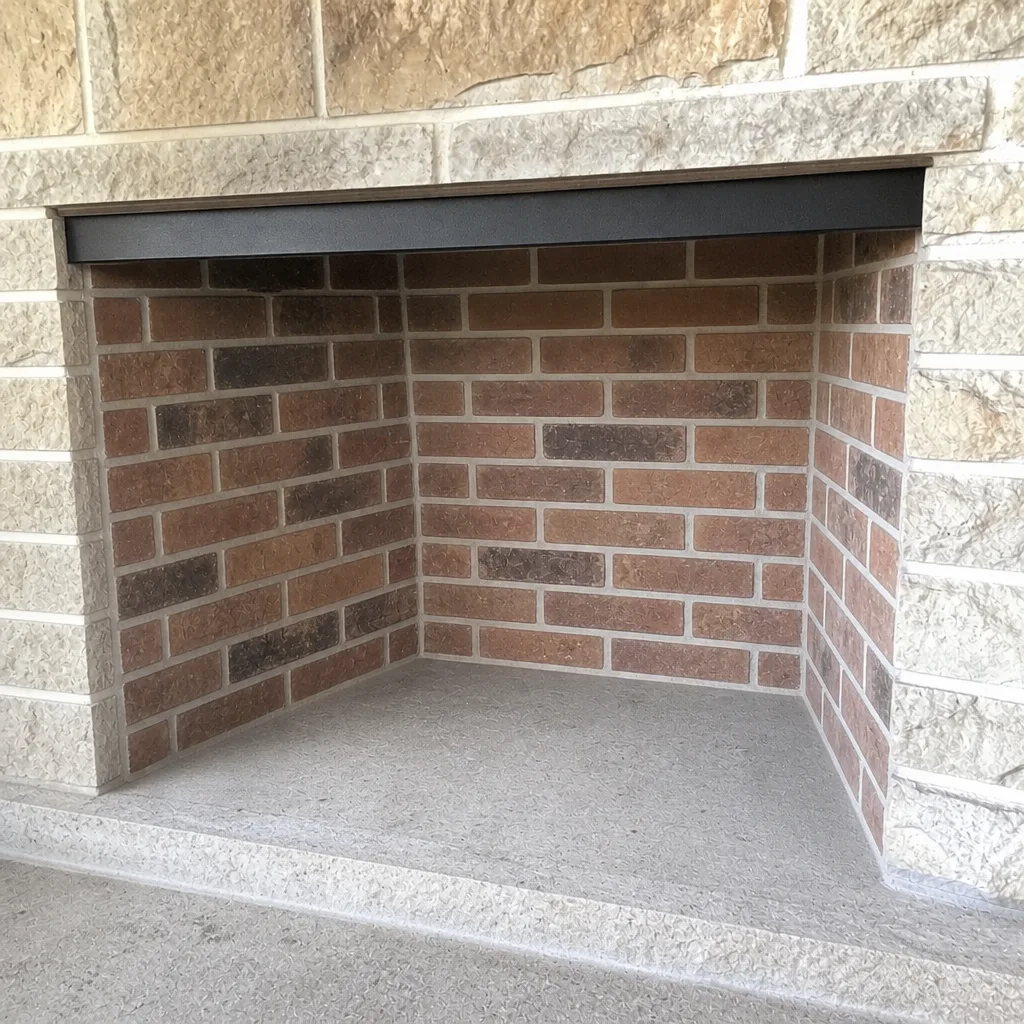
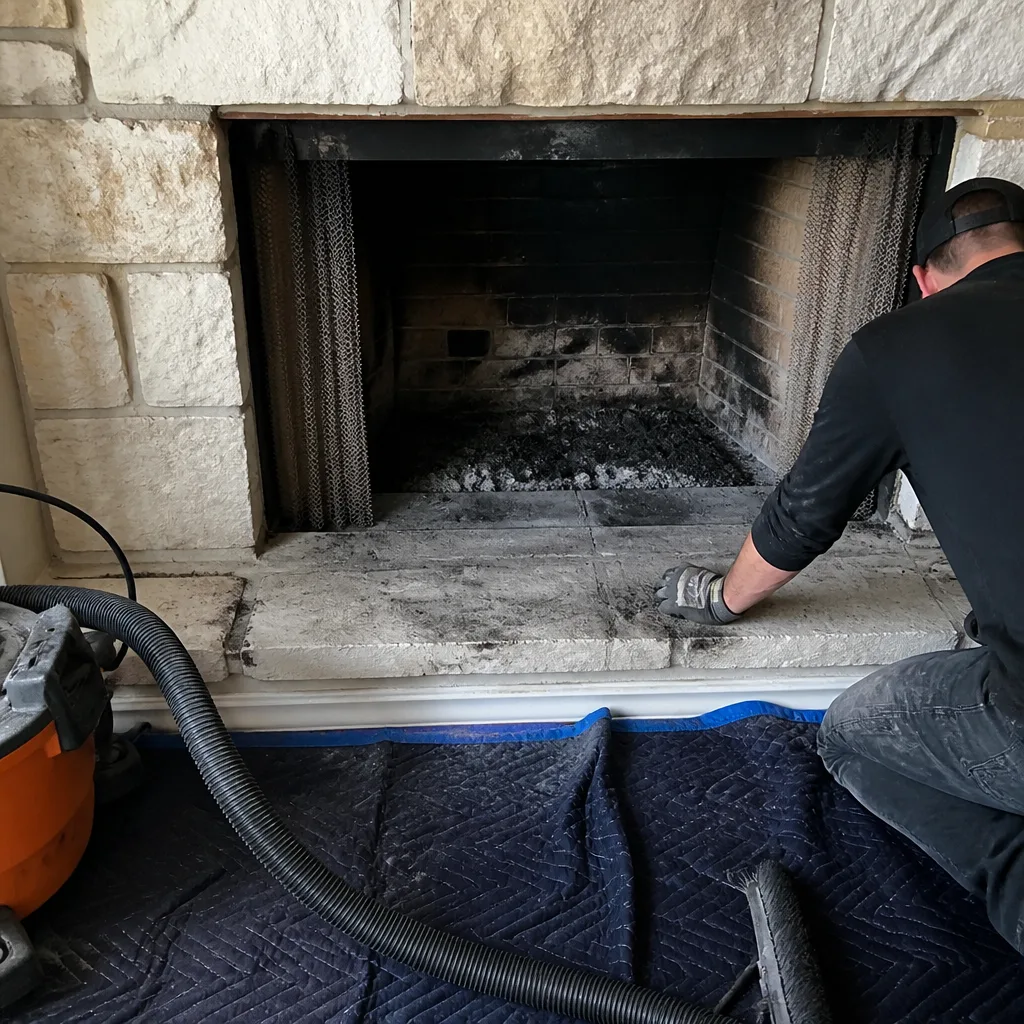
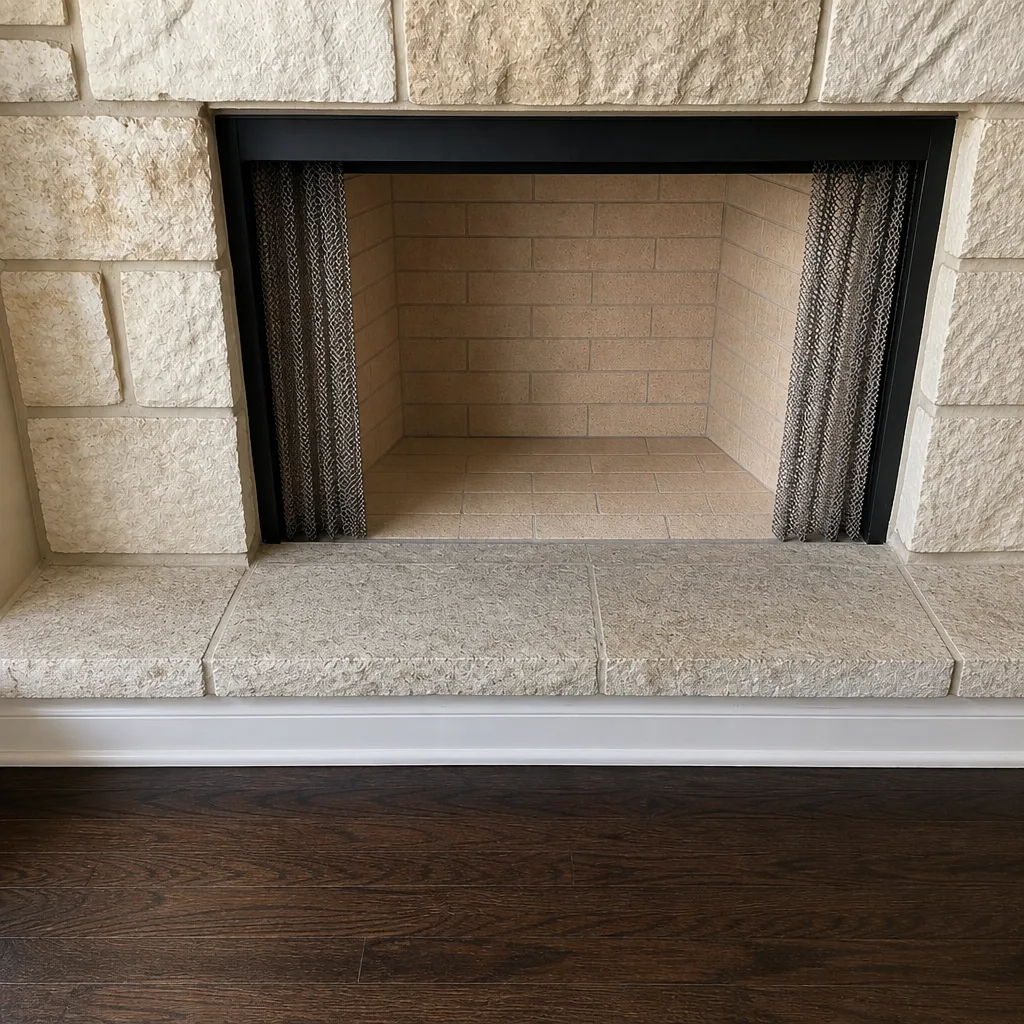
See the difference
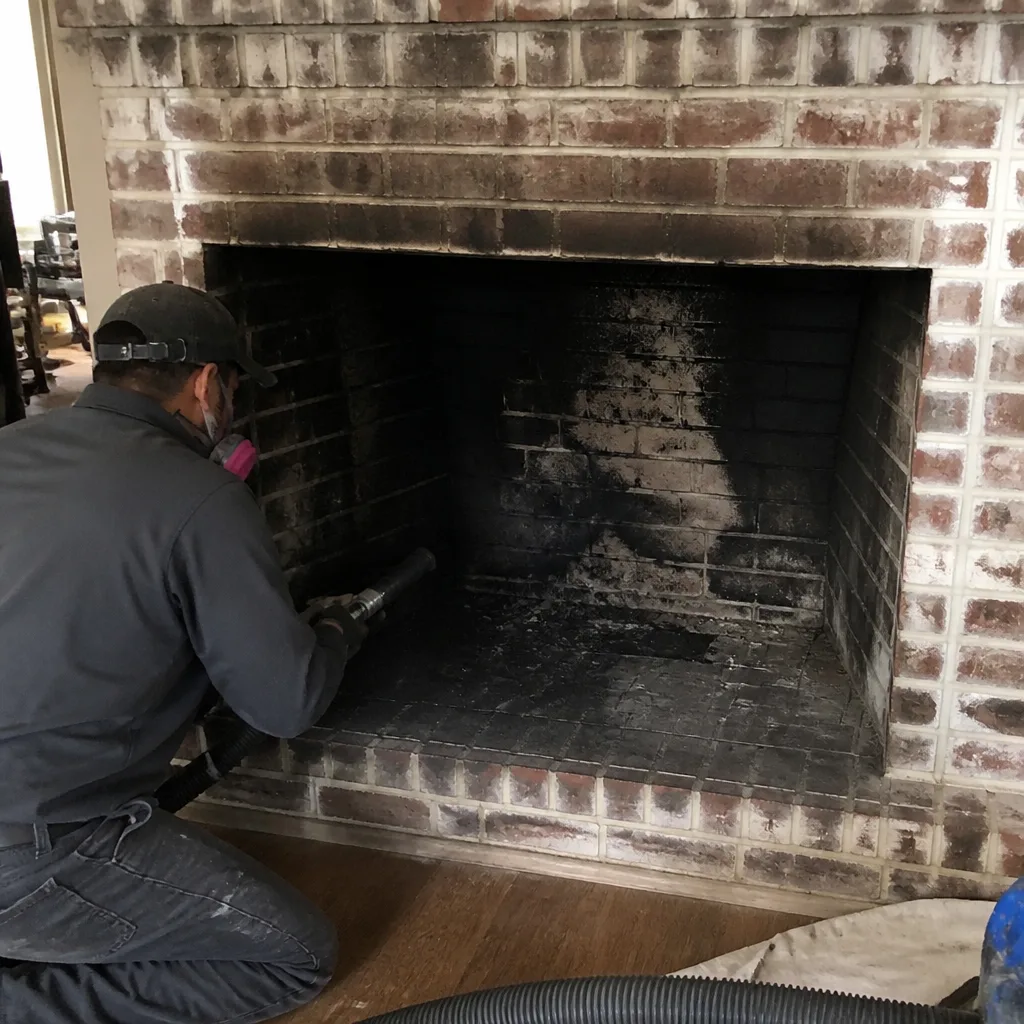 Before
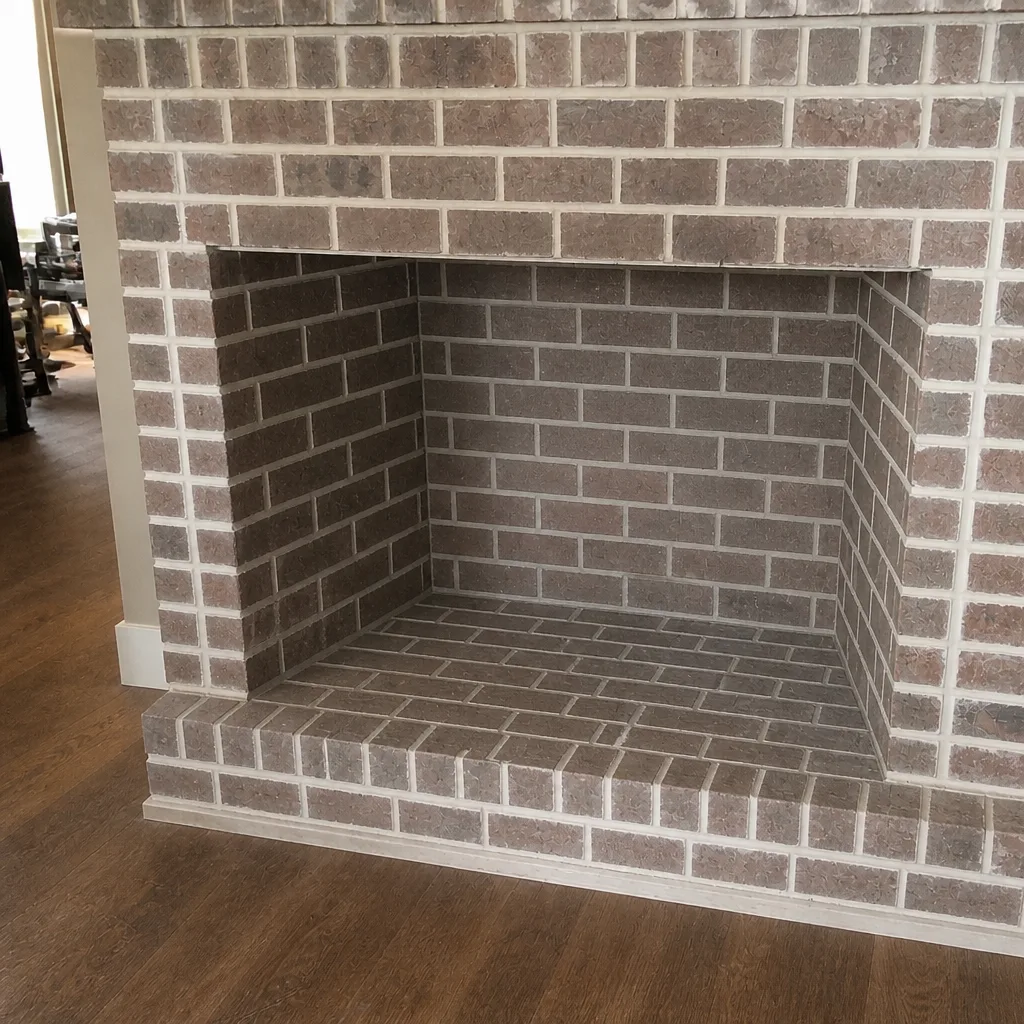 After
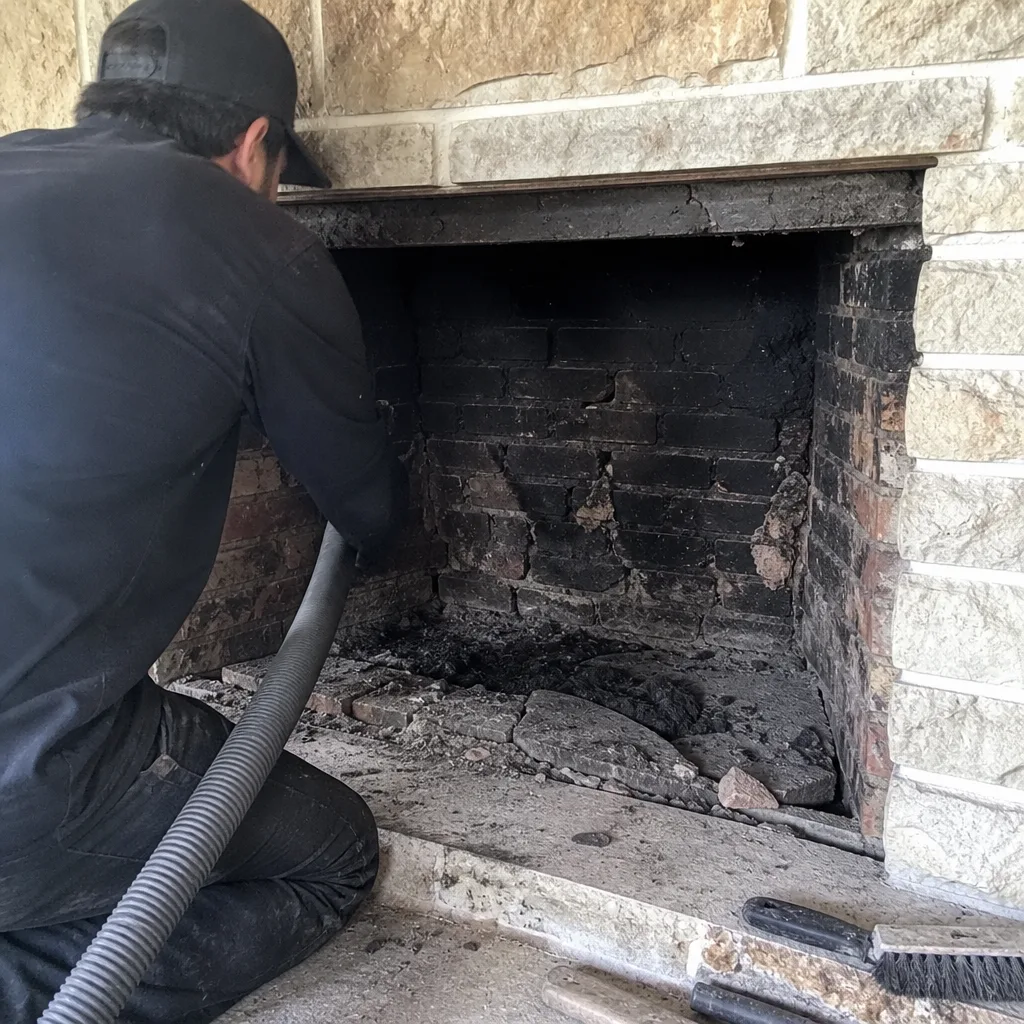 Before
 After
 Before
 After
Common Mistakes to Avoid
- Burning a smoke test with all the windows closed. A sealed house makes every fireplace look broken. Open a window a crack and retest before you assume the flue is bad.
- Assuming a smell means a rebuild. Most chimney smells trace back to stage 1 or 2 creosote or a water issue, not a structural failure. Get a documented inspection before you sign anything.
- Putting a cheap screen over the flue as a “cap.” A screen doesn’t shed rain and doesn’t keep birds out reliably. Caps are a specific product for a specific reason.
- Ignoring a cracked crown because “it’s just a little crack.” In North Dallas’s clay-rich soil, a hairline crack becomes a wide crack after one wet-dry cycle. Fix it before the first hard rain.
- Hiring a sweep who doesn’t climb onto the crown. A sweep who only brushes from below misses the source of half the water damage in area chimneys.
- Running stage 3 creosote another season. That’s the form of creosote associated with chimney fires. Waiting is not a neutral choice.
- Treating a firebox problem like a flue problem. If the firebox walls are spalling or the damper is rusting, the fix is at the firebox level, not the sweep level.
When to Call a Professional
Some of what’s in this guide you can do yourself: open a window, run the match test, look at the chimney top, note the wind direction, and check the crown. But certain problems should always go to a trained technician because the risk is real. High-tension components, damaged flue tile, stage 3 creosote, cracking in the firebox walls, and anything that has already been through a chimney fire. Carbon monoxide is the other reason to be exacting: a flue that doesn’t draft properly can push gases back into the living space. We don’t want that risk on a homeowner with a match and a flashlight.
Camera inspection is also the line. If you can’t see the flue interior, you can’t safely judge it, and no contractor should recommend a liner or masonry repair without showing you the evidence. Chimney Sweep North Dallas offers free estimates in North Dallas. Call (833) 468-3242. We answer 24/7. Fast dispatch from 7am to 7pm, Sunday through Friday, closed Saturday. The written estimate sets the final price, and the estimate is free.
Frequently Asked Questions
Backdraft reverses only under certain conditions: cold mornings, sealed-house fans, or a particular wind direction. Blockage causes smoke every time you burn, regardless of the weather or the wind. Run the window test: if opening a window a crack fixes it, the problem is pressure, not blockage. If it doesn’t change anything, you likely have a physical block in the flue. Call (833) 468-3242 for a professional camera inspection and a free estimate.
That’s negative pressure from the HVAC pulling makeup air out of your home faster than the flue can pull it up. In a tightly sealed North Dallas house, the chimney becomes the easiest path for replacement air, and smoke comes back down. A licensed HVAC technician or a chimney professional can help. In many homes, adding a fresh-air intake or rebalancing the furnace fixes it without touching the chimney. Call (833) 468-3242 and we’ll run the diagnostic.
North Dallas sits on expansive clay soil, which swells and shrinks through wet and dry seasons. That movement transfers into the masonry, and the crown is the most rigid piece up top, so it cracks first. A properly built or rebuilt crown with the right slope and a proper bond break lasts far longer. It’s a cap and crown job, not a sweep job. Call (833) 468-3242 for a free estimate.
Look at the firebox walls, the smoke shelf, and the damper with a flashlight. Soft gray dust is stage 1. Black streaks that smudge when you rub them are stage 2. A hard, shiny, glazed surface means stage 3, and that requires a professional and a camera inspection. Smell is the second clue: a sour, smoky, lingering odor on humid days is usually stage 2 or 3. Call (833) 468-3242 to schedule an inspection.
A sweep without a camera is a guess about what’s hiding in the flue. If you’ve had stage 2 or stage 3 creosote, a chimney fire, a roof repair, or a foundation repair, you need the camera. It’s the only way to see cracked tile, missing parging, or an offset flue joint. We run the camera and show you the footage before recommending any repair. Call (833) 468-3242 for an estimate.
Yes, indirectly. A missing cap lets rain in, and rain plus creosote creates the sour smell you notice on warm, humid days. It also lets birds and debris in. A properly fitted Famco or Copperfield cap solves both problems. Once installed, the smell usually clears within a few weeks as the flue dries out. Call (833) 468-3242 for a cap assessment and a free estimate.
The Bottom Line
Most chimney problems in North Dallas aren’t mysteries. They trace to four families of causes: pressure imbalance in a sealed house, physical blockage, creosote at stage 2 or 3, and water intrusion through a cracked crown or missing cap. Run the match test and the window test before you spend money. Note which wind direction triggers the smoke. Read the creosote stage from the smoke shelf. Then get a camera inspection so you can see what’s actually happening inside the flue. We carry professional-grade products like FaFlex, HeatShield, Gelco, Olympia Chimney, Famco, and Copperfield so the fix matches the actual condition instead of whatever a one-service sweep crew happens to carry. Our technicians have up to 12 years of experience on chimneys full time. The estimate is free, the price is set by the written estimate, and we document what we find before we recommend anything. Call Chimney Sweep North Dallas at (833) 468-3242 for a free estimate. We answer 24/7. Fast dispatch from 7am to 7pm, Sunday through Friday, closed Saturday.
Written by the team at Chimney Sweep North Dallas.