
Last updated November 25, 2026
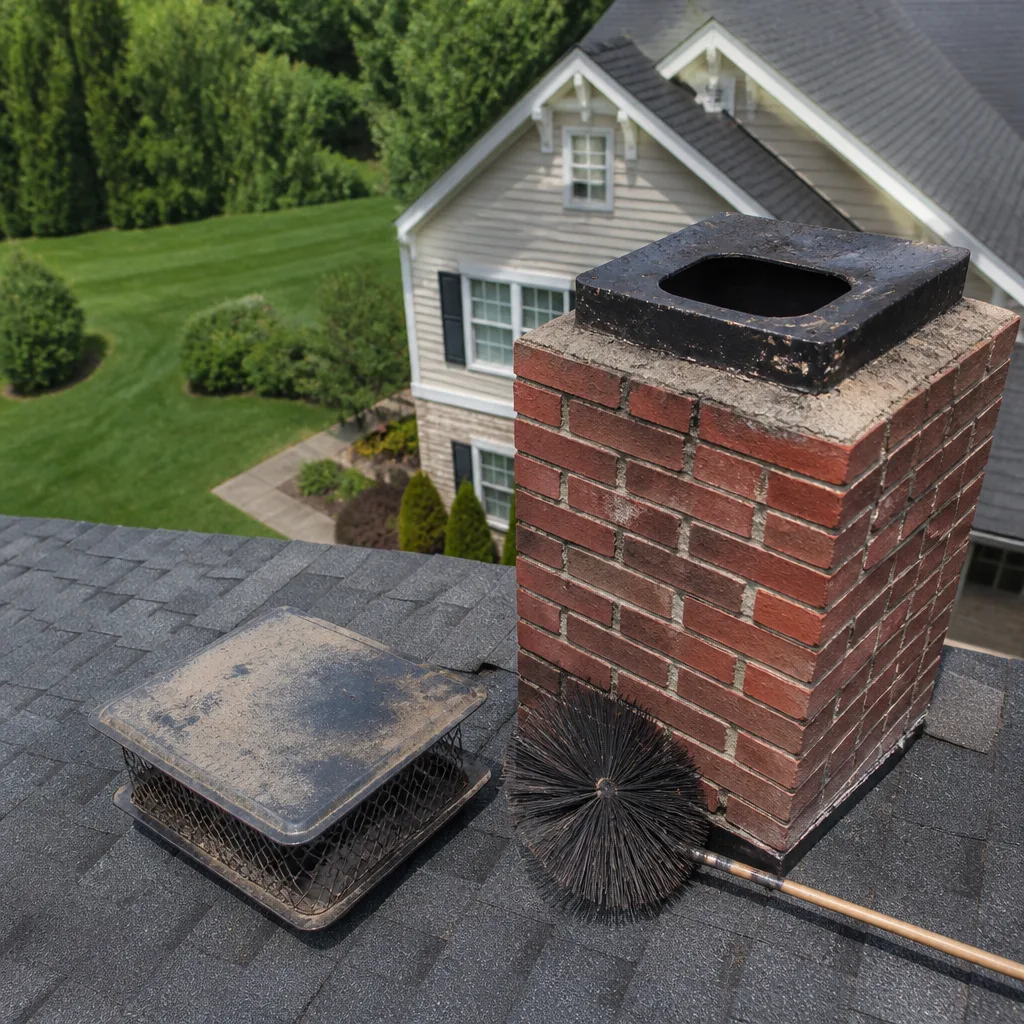 Sweep & inspection
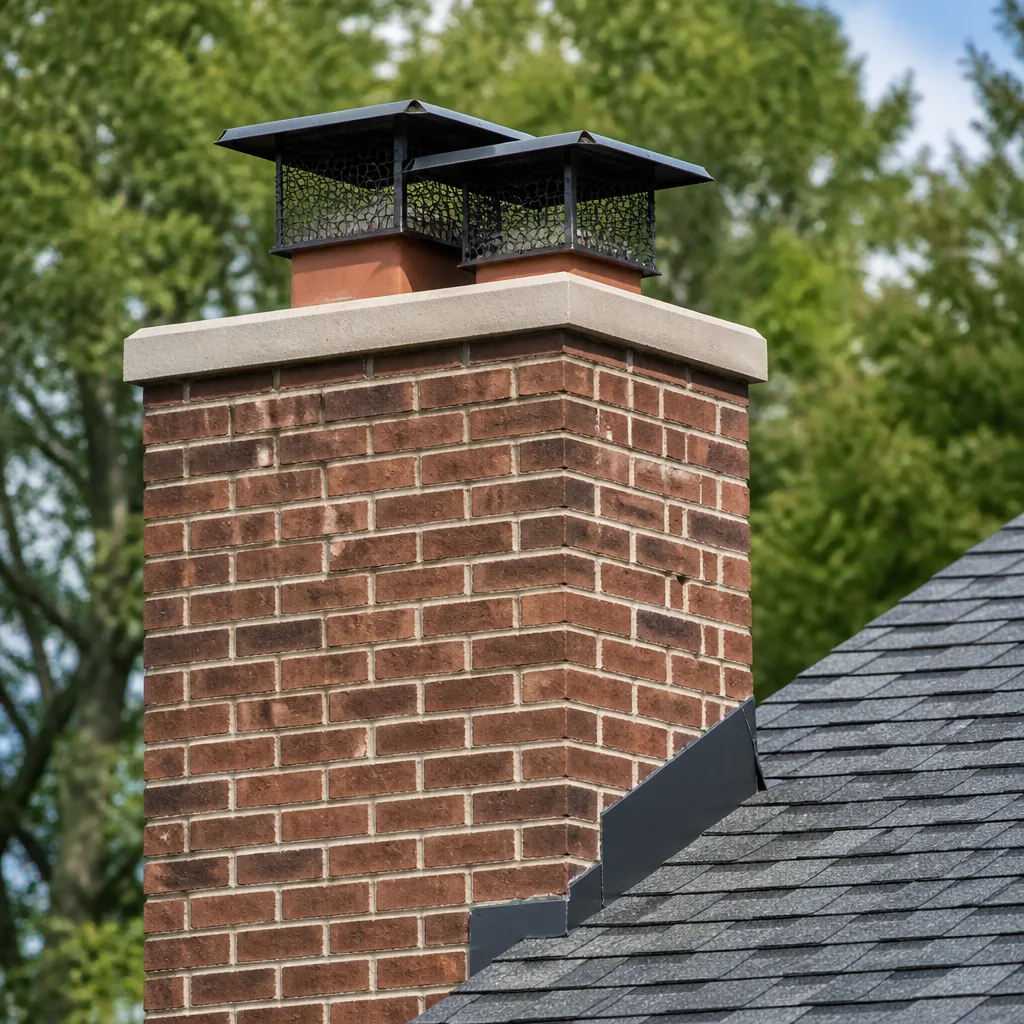 Caps & crowns
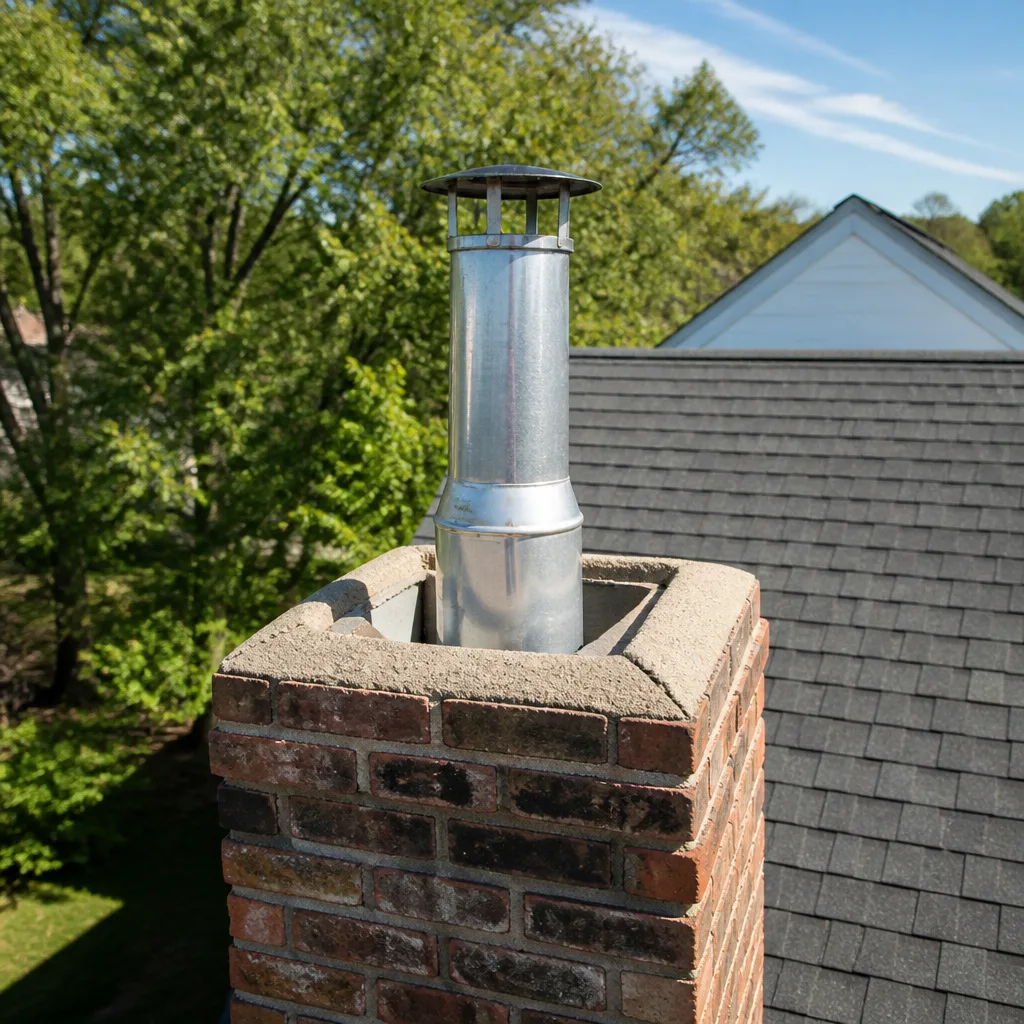 Flue relining
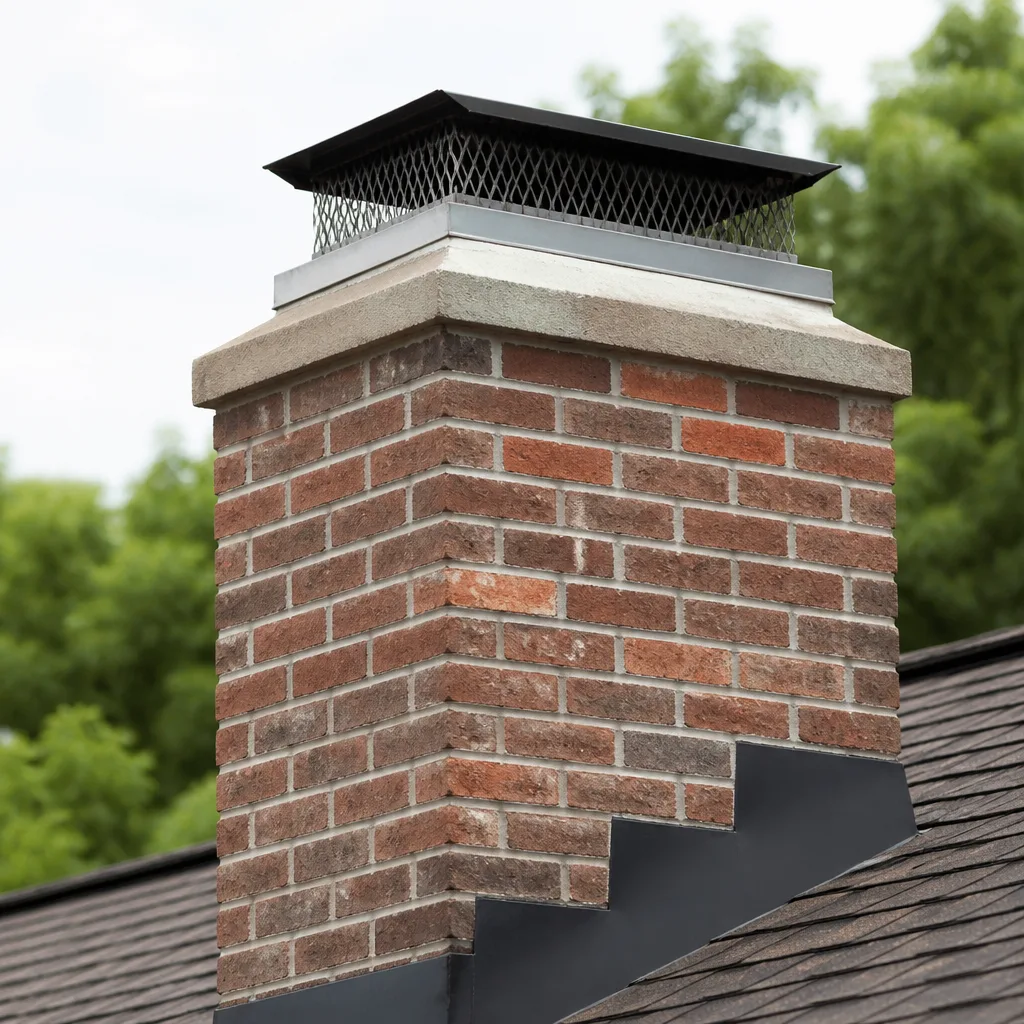 Masonry repair
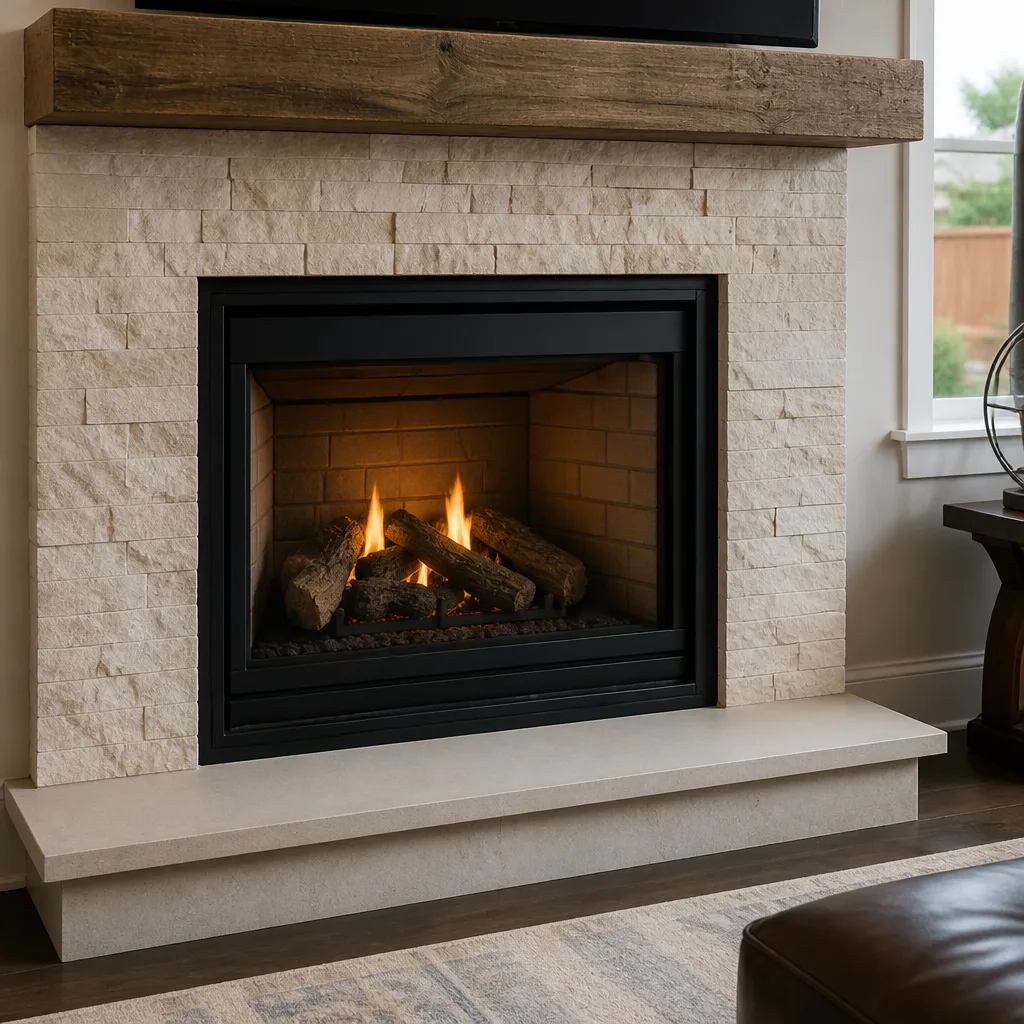 Gas fireplace service
Level 1 sweep and inspection to the NFPA 211 annual standard - flue, crown, cap, and flashing checked and photographed
Chimney sweep logs do not sweep chimneys. They loosen some creosote - which then falls where a brush and vacuum still have to collect it.
Chimney Cleaning Emergency Preparedness Guide for North Dallas Homes
Most homeowners believe a chimney fire announces itself with roaring flames and a house-shaking sound. In our experience, the opposite is more common: a slow, rumbling burn inside the flue that sounds like a distant train, or nothing audible at all. That quiet version can push temperatures past 2,000°F inside a flue built to handle a fraction of that heat. North Dallas homes with active fireplaces need a response plan worked out before the first cold front, not during one. This guide walks through the three chimney emergencies we see most, how to tell them apart under pressure, and what to build into a chimney emergency card so your household reacts correctly instead of instinctively.
Quick Answer
A chimney emergency in North Dallas falls into one of three buckets: an active chimney fire, a carbon monoxide alarm with the fireplace in use, or storm damage to the cap or crown. Each has its own response protocol. For an active fire, evacuate, call 911, and never open the damper to “let it breathe.” For a CO alarm, get everyone outside and ventilate. For storm damage, stop using the fireplace and book an inspection before the next burn.
Styles & brands we work with
- Sweep & inspection
- Caps & crowns
- Flue relining
- Masonry repair
- Gas fireplace service
Table of Contents
- The Three Chimney Emergencies North Dallas Homeowners Face
- Active Chimney Fire: Step-by-Step Response
- Carbon Monoxide Alarm With the Fireplace in Use
- Post-Storm Cap and Crown Failure
- Smoke Rollout: Blockage Emergency vs. Draft Problem
- What to Tell the Fire Department
- Post-Emergency Inspection: What Must Be Documented
- Building Your Chimney Emergency Card
The Three Chimney Emergencies North Dallas Homeowners Face
Chimney emergencies in North Dallas sort into three distinct categories, and mixing them up under pressure is where households get hurt or make damage worse. An active chimney fire is a combustion event inside the flue. A carbon monoxide event is a byproduct problem, where incomplete combustion sends odorless gas back into the living space. Weather-driven structural failure is a physical breach: a cap torn loose, a crown cracked, water finding its way into the flue. Each one calls for a different first move, and none of them respond well to a generic “call someone and hope” approach.
The reason the categories matter so much is that the wrong response to one can make another worse. Opening the damper on a chimney fire feeds oxygen to a fire already out of control. Ignoring a CO alarm because “the fireplace looks fine” turns a ventilation problem into a medical emergency. Using a fireplace after the cap has detached pulls rain, debris, and birds straight into the flue.
How the Three Emergencies Differ
- Active chimney fire: Loud popping or rumbling, dense smoke from the top of the chimney, a hot chimney exterior, or embers falling onto the roof. Response: evacuate, call 911, close the damper if it is safe to do so, and never add oxygen.
- Carbon monoxide event: The CO alarm sounds while the fireplace is burning, or household members report headaches, dizziness, or nausea that improve when they leave the house. Response: get everyone outside, call 911 or the gas utility from outside, and ventilate only after everyone is safe.
- Storm damage: Missing cap, cracked crown, displaced flashing, or water stains on the firebox after a hail or wind event. Response: stop burning immediately, cover the chimney flue if you can reach it safely, and book an inspection.
North Dallas sees the third category often because hail and high-wind storms roll through the metroplex with regularity. The first two are rarer but more dangerous. Recognizing which is happening is the single most important skill a household can build ahead of the season.
Active Chimney Fire: Step-by-Step Response
The instinct to open the damper and “let it breathe” is exactly wrong during a chimney fire. Opening the damper feeds oxygen to the fire and can push flue temperatures past 2,000°F within minutes, hot enough to crack clay tile liners and ignite the wood framing around them. The correct move is counterintuitive: close the damper if you can do so safely, get everyone out of the house, and call 911 before doing anything else. Chimney fires are structural threats to the entire house, and the fire department needs to be on the way while you still have time to spare.
The Response Protocol
- Alert everyone in the home. Shout, knock on doors, and move children and pets toward the nearest exit. Do not stop to gather belongings.
- Close the fireplace doors or the damper if it is within reach. Cutting off the air supply is a slow-down measure, not a fix. Do not spend more than a few seconds on it.
- Evacuate and call 911 from outside. Do not wait to see if the sound stops. A chimney fire that quiets down is often still smoldering in the flue.
- Do not spray water into the firebox. A sudden temperature drop can crack a hot flue and send steam and soot back into the room.
- Do not use the fireplace again until it has been inspected. A sweep must confirm the flue has not cracked, warped, or lost its liner bond.
We’ve seen the aftermath of chimney fires where the homeowner did everything right by evacuating but then relit the fireplace the next night because “it looked fine.” The flue is not visible from the firebox. Damage to the liner, the crown, and the flashing can be real even when the interior of the firebox looks untouched. Treat any chimney fire as a full-system event.
If you suspect your North Dallas home has had a chimney fire, whether this season or years ago, a chimney inspection with a camera is the only way to know the flue is sound. Our technicians have up to 12 years of experience reading the signatures a fire leaves inside a flue.
Carbon Monoxide Alarm With the Fireplace in Use
A carbon monoxide alarm sounding while the fireplace is burning is a get-outside-now event, not a wait-and-see event. CO is colorless and odorless, and it builds silently when a flue is blocked, a liner has failed, or a damper is positioned so exhaust rolls back into the house. The response is to move everyone outside, call 911 or your gas utility from the driveway, and leave the house closed up until emergency responders confirm the air is safe.
Response Protocol for a CO Event
- Get everyone outside immediately. Including pets. Do not stop to open windows or shut off appliances first.
- Call 911 from outside. State that a CO alarm is sounding and that a wood-burning fireplace is in use.
- Do not re-enter to ventilate. Fire department personnel will assess and clear the home.
- Do not relight the fireplace until the cause is found. A CO event with a fireplace in use almost always traces back to a flue, liner, or draft issue that needs inspection.
- Book a chimney inspection with camera once the home is cleared. The inspection will show whether the liner, the crown, or a blockage caused the backdraft.
CO events are the category most often missed because they don’t look like emergencies. The fireplace is fine, the fire is going, and the alarm chirps. Households sometimes assume the detector is faulty and silence it. In our experience, a CO alarm that goes off during a burn is right far more often than it is wrong. Trust it.
North Dallas homes built tight against the summer heat can be especially vulnerable to negative pressure inside the house, which can pull exhaust back down the flue. A chimney cap and crown system that properly vents and shields the flue mouth is one of the best defenses. We install chimney cap & crown systems using Famco and Copperfield caps because they hold up to North Texas hail and wind better than builder-grade units.
Post-Storm Cap and Crown Failure
After a storm, the first sign of chimney trouble is usually water. A ceiling stain near the chimney chase, dampness in the firebox, or a rusted damper are all symptoms of a cap or crown that has been compromised. The cap keeps rain and animals out of the flue; the crown sheds water off the chimney top so it doesn’t soak into the masonry. When either fails, water works its way into the structure and starts to freeze, thaw, and expand, and the damage compounds. The right response is to stop using the fireplace and get the chimney inspected before the next burn.
What to Check After a Storm
- Cap present and level? Look from the ground with binoculars. A tilted or missing cap is a clear stop-burning signal.
- Crown intact? A cracked or missing crown will show as missing mortar or visible gaps between the flue tile and the surrounding concrete.
- Water in the firebox? Any moisture in the firebox after rain means water is entering from above.
- Debris in the firebox? Sticks, leaves, or soot chunks that weren’t there before usually came down from a damaged cap or a cracked crown.
- Exterior staining? Dark streaks on the chimney’s exterior masonry indicate water tracking through the crown or flashing.
If any of these are present, cover the top of the flue with a piece of plywood or a tarp if you can do so without climbing on the roof. The safest approach is to keep the fireplace out of service and call for an inspection. In North Dallas, hail and wind events hit neighborhoods like Preston Hollow, Lake Highlands, and the Park Cities with enough frequency that a post-storm inspection is worth adding to the household calendar each spring.
A chimney cap and crown job done right is the single best protection against this category of emergency. We match the cap to the flue configuration rather than defaulting to a one-size universal model, and a Famco or Copperfield vented cap is often the right call for North Texas storm loads.
Smoke Rollout: Blockage Emergency vs. Draft Problem
Smoke rolling into the living room while a fire is burning is either a blockage emergency or a draft problem, and the distinction decides whether you evacuate or troubleshoot. A blockage emergency means the flue is obstructed – a bird nest, a collapsed liner section, a heavy creosote plug – and smoke has nowhere to go but into the room. A draft problem means the flue is open but the pressure balance in the house is pulling smoke back inside. The two look similar in the moment but call for very different responses.
Telling Them Apart
Start with the fire itself. If the fireplace has been burning for a while and the smoke starts rolling in suddenly, with a strong smell of burning creosote or an odd draw at the damper, treat it as a blockage and evacuate. If the smoke appears as soon as you light the fire, and the damper is open, and the room feels cold relative to outside, it’s more likely a pressure or draft issue tied to a cold flue or a tightly sealed house. A cold flue is common in North Dallas on the first cold morning of the season, when the masonry hasn’t warmed up.
Signs of a blockage emergency:
- Smoke and a strong creosote smell that arrive after the fire has been burning steadily
- Reduced draft at the damper, or smoke puffing back with no visible wind or downdraft
- Debris or nesting material visible in the firebox
- Symptoms worsening as the fire grows, not as it’s first lit
Signs of a draft problem:
- Smoke rolls in right after lighting but settles once the fire is hot
- Wind gusts push smoke back down the flue
- Other exhaust appliances (bath fans, kitchen hoods, dryers) are running at the same time
- The house has been recently tightened with new windows or insulation
When in doubt, evacuate. A blockage emergency that gets worse puts carbon monoxide and soot into the living space. A draft problem that turns out to be a blockage is far more dangerous than the reverse. And if your North Dallas home has had a chimney sweep recently, a sudden smoke rollout is a strong sign something is physically obstructing the flue. An expert will find it fast. Call chimney sweep service for an inspection and cleaning before the next burn.
What to Tell the Fire Department
What you tell the fire department on the call affects how they respond, and in some cases whether they open your damper. Dispatchers need the specific facts, not a general “my chimney is on fire.” Keep it brief, exact, and in this order.
The Call Script
- Your address, cross street, and the type of structure. “Single-family home, two-story, at [address].” Tell them if it’s attached to another structure.
- What’s burning and where. “Wood-burning fireplace, fire visible in the firebox, smoke coming from the top of the chimney.”
- Whether there’s a chimney fire or a house fire. “I believe it’s a chimney fire” helps dispatch route it correctly. If flames are visible at the roof or in the walls, say so.
- Whether anyone is still inside. “Everyone is out of the house.”
- Whether the damper is open or closed. This matters. Tell them exactly what position the damper was in when you last used it. Fire crews use this information to plan ventilation and access. Do not open the damper on their behalf; let them decide.
- Any gas or propane appliances nearby. If the fireplace has a gas starter or log lighter, mention it.
- Access details. Whether the chimney is on the front, side, or rear of the house, and whether there is a gate or dog in the yard.
Once firefighters arrive, stay out of their way and answer questions directly. Do not relight the fireplace after they leave. Even if they tell you the fire is out, the flue is not confirmed safe until a certified inspection clears it. That’s the next call.
Post-Emergency Inspection: What Must Be Documented
After any chimney fire or CO event, a certified sweep must document the condition of the flue, liner, crown, cap, and firebox before the chimney can be used again. The documentation matters for two reasons: safety, because it confirms no hidden damage was left behind; and insurance, because most policies require a professional assessment before they’ll cover related repairs. A post-fire inspection is not a quick look down the flue. It needs a camera, a written report, and photographs of what was found.
What the Report Should Include
- Camera footage of the full flue from the damper to the crown, with clear photos of any cracks, gaps, or displaced liner sections
- Condition of the clay tile or metal liner and whether any joints have opened or shifted
- Crown and cap condition, including any evidence of heat damage or displacement
- Firebox and damper condition, with notes on warping or mortar joint failure
- Creosote levels with a stage rating and degree of glaze
- A written summary of findings and a prioritized list of recommended work, with the reasoning behind each item
We use HeatShield, the industry’s leading liner resurfacing product, when the flue is structurally sound but the clay has cracked or spalled. It’s a targeted repair that restores the liner without full replacement. When the flue damage is more extensive, or a previous liner has failed, a DuraFlex flexible liner is often the right fit. Having both options on hand means we can match the repair to the chimney instead of forcing one product onto every job.
What Insurance Typically Wants
Most insurers ask for the sweep’s written report, the photos or camera footage, and a clear description of the fire event. Some ask for confirmation that the flue is either safe to use or recommended for repair. Save the report somewhere you can find it later, and send it to your insurer if you’re filing a claim. Without the documentation, the insurance conversation gets much harder.
Building Your Chimney Emergency Card
A chimney emergency card is a single sheet of paper kept in a kitchen drawer or taped inside a cabinet, with everything a household member would need to respond correctly. Building one takes about fifteen minutes and turns a potential panic event into a smooth sequence of moves. It works because in an emergency nobody remembers the steps they read three months ago.
What Goes on the Card
- Emergency numbers. 911, the local fire department non-emergency line, the gas utility emergency line, and your chimney professional. Our number is (833) 468-3242. We answer 24/7.
- Flue shutoff and damper location. Note where the damper handle is, and how it operates. If the fireplace has a gas shutoff, mark that too.
- CO detector locations. Every level of the home, plus one near the sleeping area. Note the date of last test.
- Last chimney inspection date and report location. A quick line like “swept and inspected fall, report in the filing cabinet” lets first responders and your insurer see the current state of the system.
- The home’s chimney type. Masonry with clay tile, factory-built, or metal liner. A single line describes it.
- The three response protocols. One line each. Fire: evacuate, call 911, close damper if safe, do not add oxygen. CO: get outside, call from outside, do not re-enter. Storm damage: stop burning, inspect, book a sweep.
- Any household-specific notes. Kids’ names and ages, pets, mobility issues, or a neighbor who can help.
Keep the card somewhere everyone in the house can find it without thinking. Make a copy on your phone as a note. Update it whenever the chimney is inspected or a cap or crown is replaced.
While you’re at it, book a chimney inspection before the season starts. A chimney repair visit for a cracked crown or loose cap is far simpler than a rebuild after a winter of water intrusion. We offer free estimates in North Dallas, and every inspection comes with the same documented findings that would go into an insurance claim should you need one.
How Often Should You Prepare?
Chimney emergency preparedness is not a once-a-year checklist. It should be revisited every fall before the first burn, after any significant storm, and any time the household changes (new house, new fireplace, new pets, new kids). It should also be refreshed whenever an inspection finds something that changes the risk profile, like a cracked crown or a tired liner. A home with a well-maintained chimney and a clear emergency card is genuinely safer than a home with a well-maintained chimney and no plan. The plan is the piece most homeowners skip.
In our experience across North Dallas, the homes that handle chimney emergencies well have three things in common: a recent inspection report they can find, a card in the kitchen drawer, and a chimney professional they’ve already spoken to once. If any of those are missing, building them now, before the next cold front, is the single most useful thing a household can do.
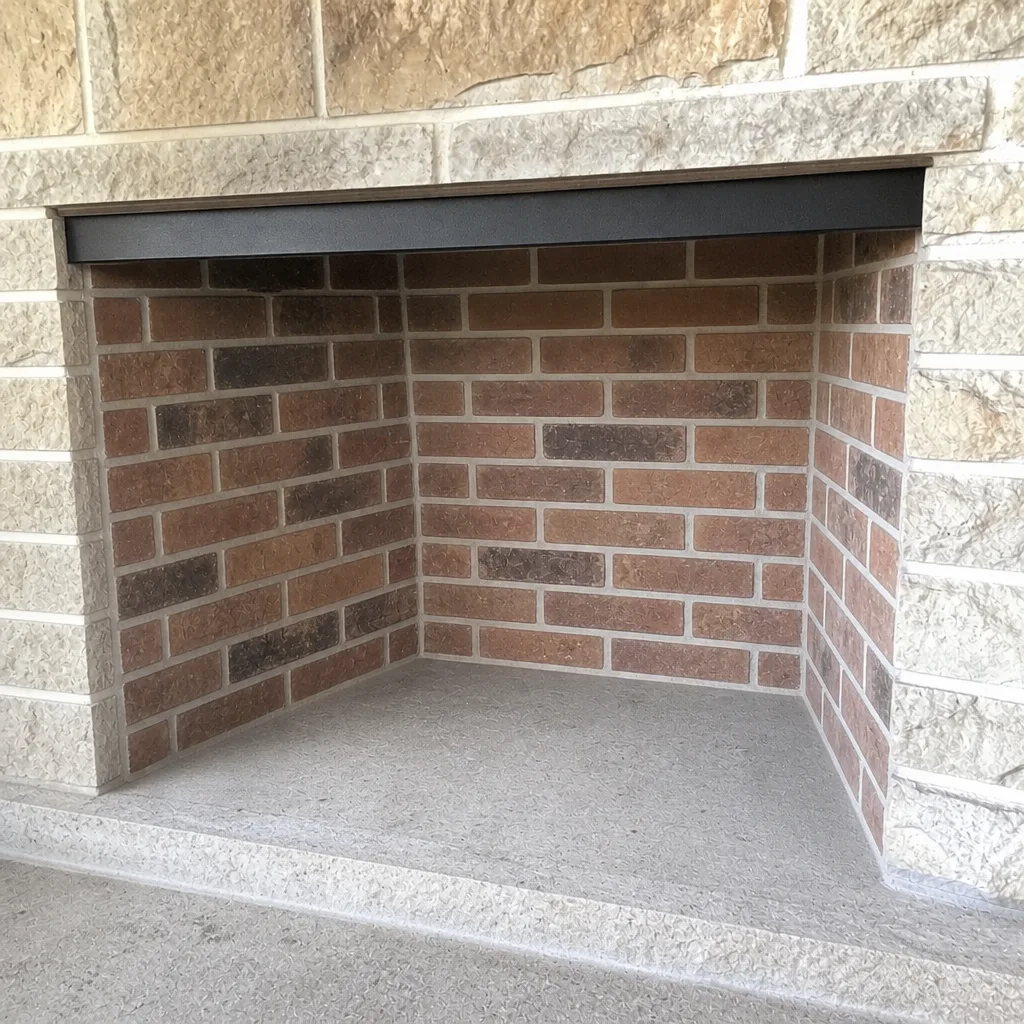
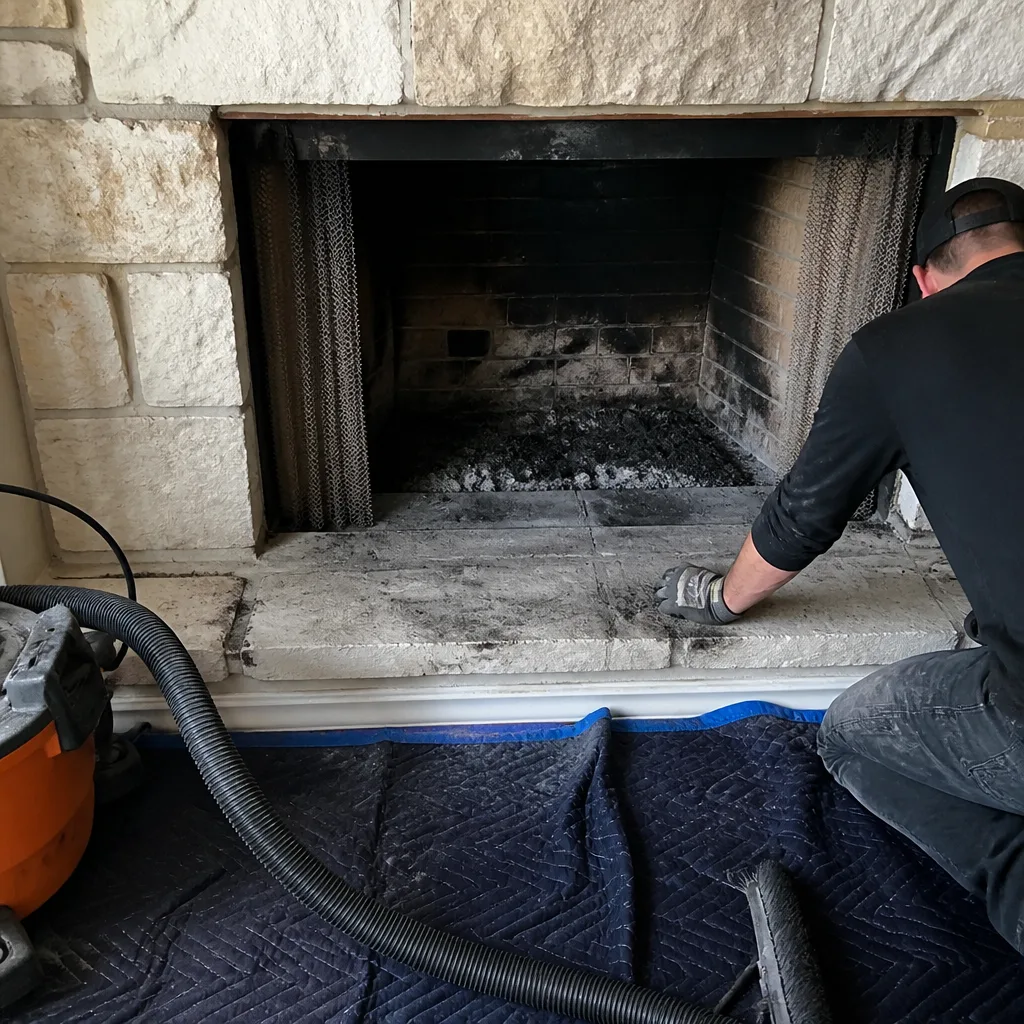
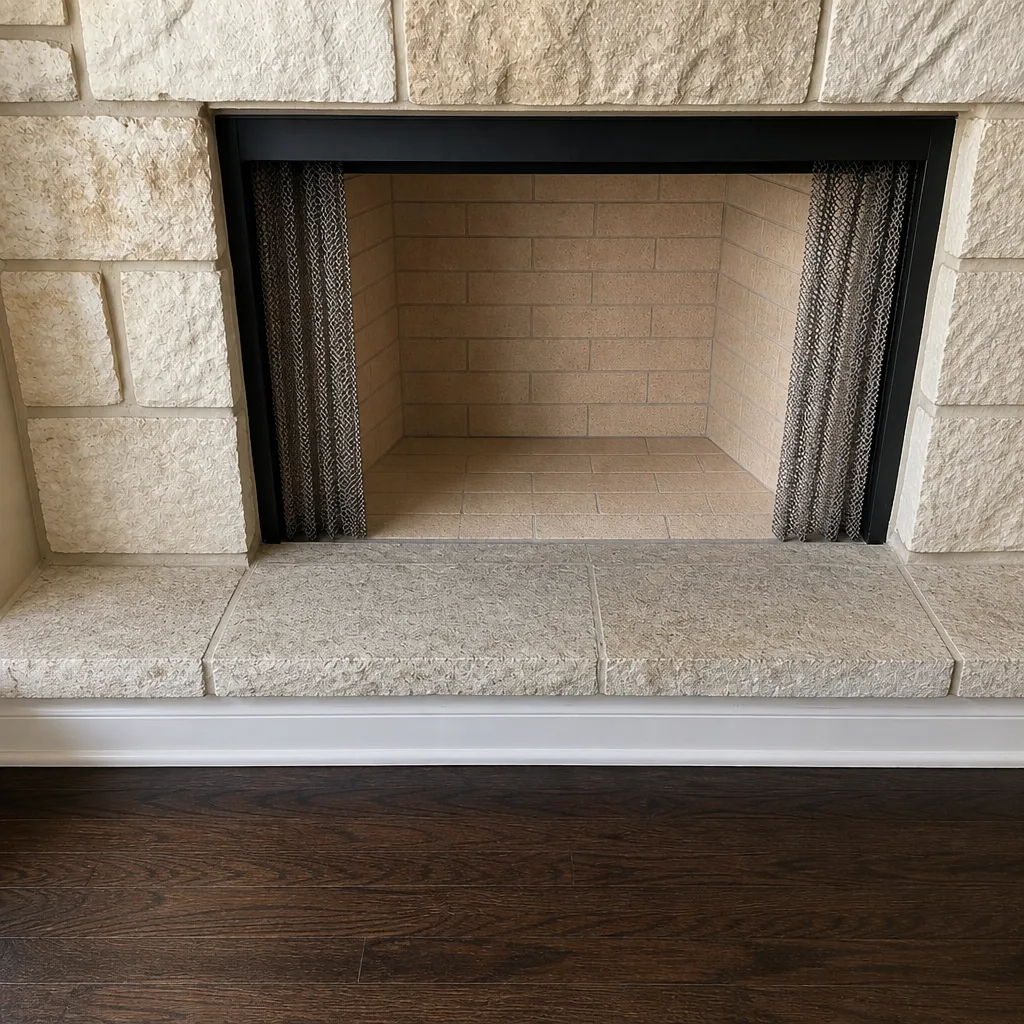
See the difference
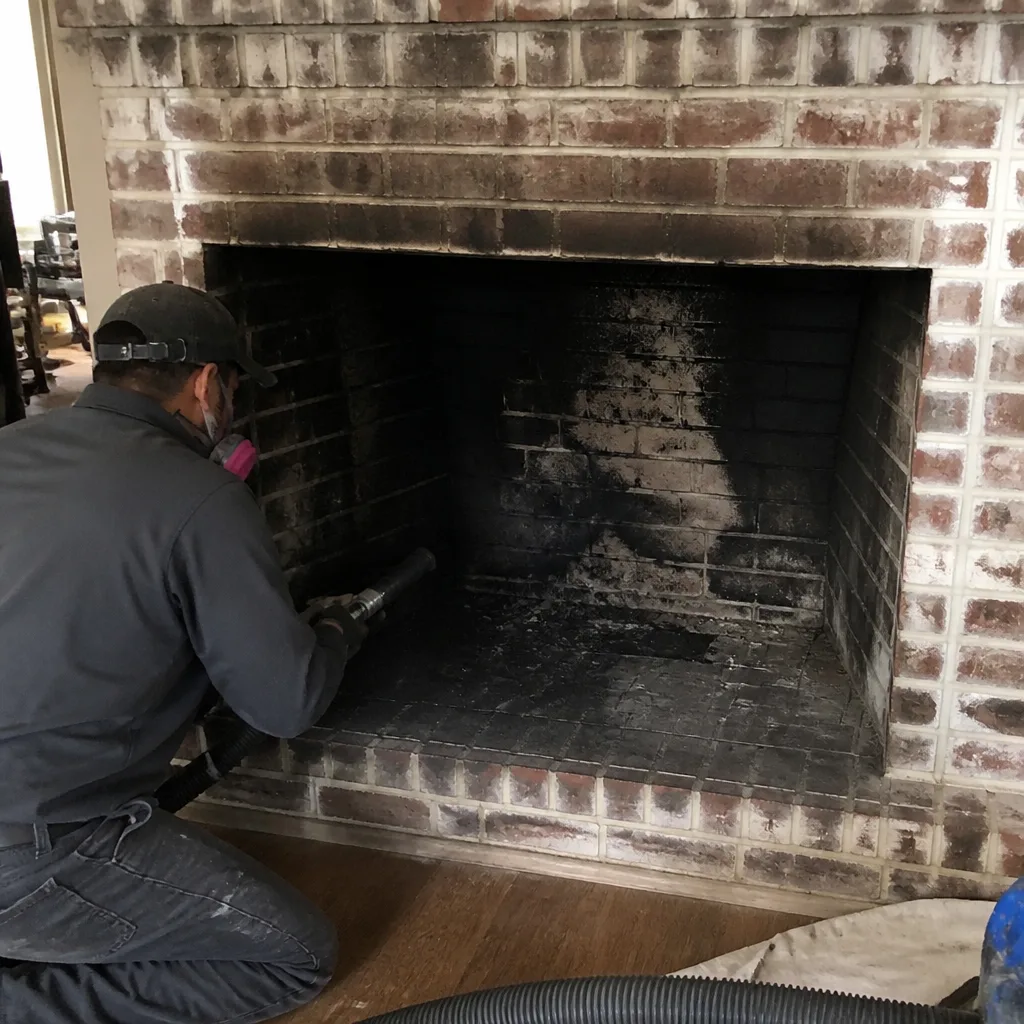 Before
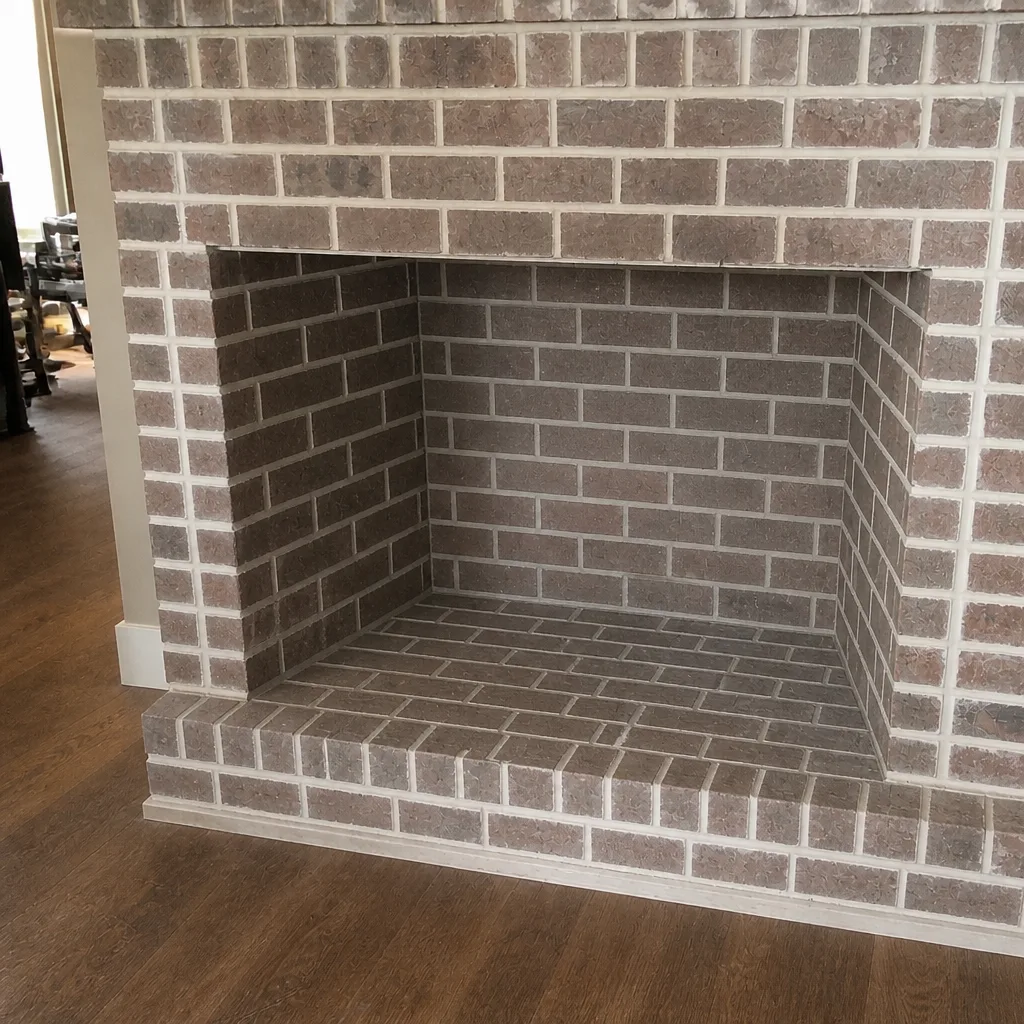 After
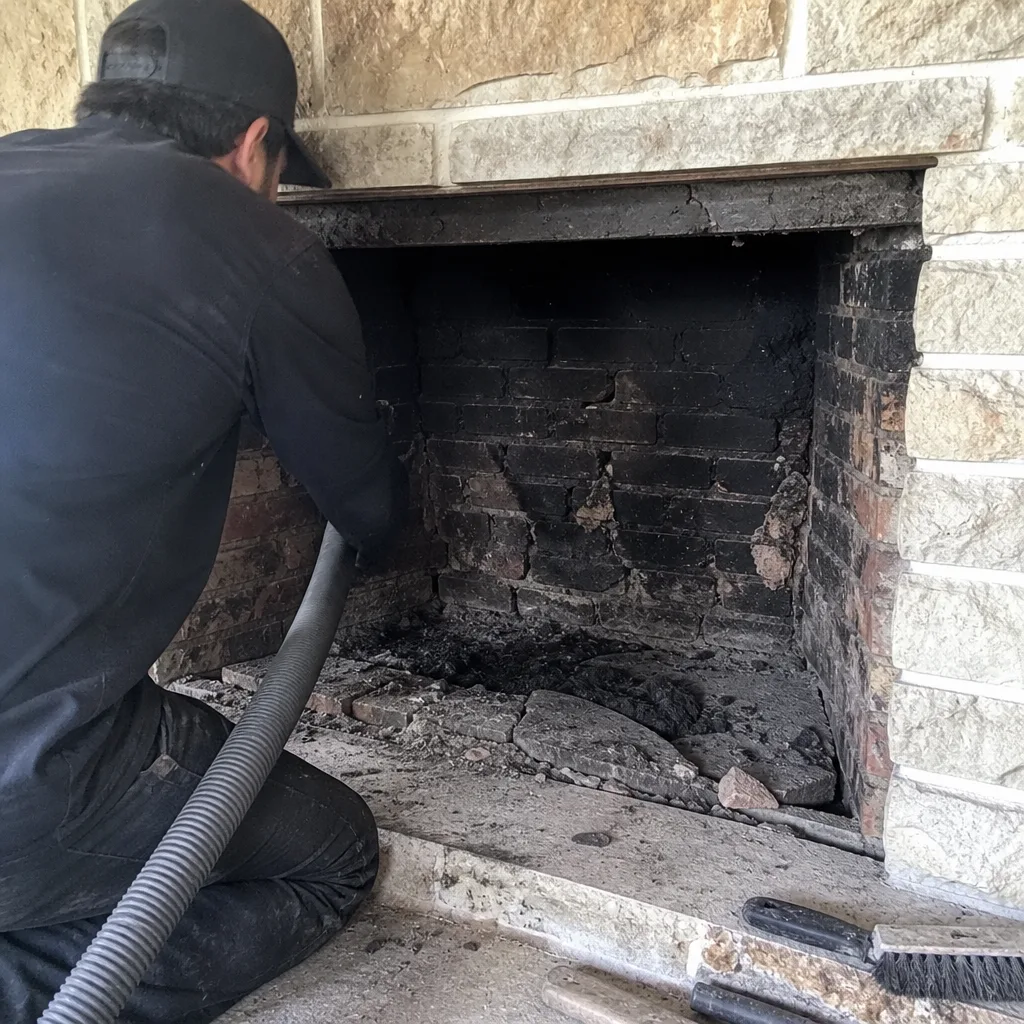 Before
 After
 Before
 After
Common Mistakes to Avoid
- Opening the damper during a chimney fire. It feels like the intuitive move, but it feeds oxygen to the fire and can double the flue temperature within minutes. Close it if you safely can, then get out and call 911.
- Silencing a CO alarm without investigating. A CO alarm that fires during a burn is almost always right. Assume the detector is working and get outside, then call from a safe distance.
- Relighting the fireplace after a fire or a storm. “It looks fine” is the most common reason a small chimney problem becomes a structural repair. The flue is invisible from the firebox, and the next fire will find any hidden damage.
- Assuming a chimney sweep cleans and inspects. Cleaning removes creosote; inspection documents condition. The two are different services and both matter. A North Dallas homeowner should ask for a camera inspection, not just a sweep.
- Ignoring a damaged cap or crown until spring. North Texas springs bring hail and wind. A missing cap lets water and animals into the flue for months. Fixing it now is cheaper than a rebuild later.
- Skipping the fire department call because “it seems small.” Chimney fires spread unpredictably. Call 911 first and let the professionals decide whether it’s serious.
- Using a fireplace after a neighbor’s chimney fire without checking your own. Shared chimney construction in North Dallas townhomes and rowhouses means one flue fire can compromise adjacent flues. If you share a chase, get an inspection too.
When to Call a Professional
Call a chimney professional after any of these events: active chimney fire, CO alarm with the fireplace in use, visible smoke rollout that doesn’t resolve when the fire is burning steadily, storm damage to the cap or crown, a chimney exterior that smells of creosote or shows dark staining, or a firebox that stays wet after rain. Call before the next burn even if the fireplace appears to work. Call if the last inspection is more than a year old and the fireplace is in regular use. Call if household occupants report headaches, dizziness, or nausea that improve when they leave the house. In our experience, these are the events that need a professional eye. Chimney Sweep North Dallas offers free estimates in North Dallas. Call (833) 468-3242. We answer 24/7. Fast dispatch from 7am to 7pm, Sunday through Friday.
Frequently Asked Questions
Get everyone out of the house and call 911 first. If the damper is within safe reach, close it to cut off oxygen, but do not spend time on it. Do not spray water into the firebox. Do not relight the fireplace until a certified inspection clears it.
Not necessarily, but it’s serious. Smoke that rolls in suddenly after the fire has been burning for a while usually means a blockage: a bird nest, a collapsed liner, or a creosote plug. Smoke that appears right after lighting is often a cold-flue draft issue. When in doubt, evacuate and call for an inspection. Call (833) 468-3242 for a same-day inspection – estimates are free.
Opening the damper feeds oxygen to a fire that is already burning too hot. Flue temperatures can exceed 2,000°F within minutes and crack the liner or ignite the framing around it. The correct move is to close the damper if you safely can and evacuate, not to open it.
Sometimes, but not always. A camera inspection tells you for sure. If the clay liner is intact but has surface damage, HeatShield resurfacing can restore it. If the liner has cracked through or lost integrity, a DuraFlex flexible liner is often the right replacement. We document the condition before recommending anything.
Once a year for most homes with an active fireplace, and more often if you burn frequently or see heavy creosote buildup. The annual sweep should include a camera inspection, not just a brush-down. Even in North Texas’s mild winters, creosote continues to accumulate from spring and fall burn seasons.
Emergency numbers including 911, the gas utility, and your chimney professional. The flue shutoff and damper location. CO detector placement. The date of the last inspection and where the report is filed. And one line each on the three response protocols: fire, CO event, and storm damage.
The Bottom Line
Chimney emergencies in North Dallas come in three types, and each has a specific response that’s different from the others. Fire: evacuate, call 911, close the damper if it’s safe, never open it to let air in. CO alarm: get outside, call from outside, don’t re-enter. Storm damage: stop burning, cover the flue if you can, book an inspection. Build the emergency card now, not during the event. Keep the last inspection report where you can find it, especially if your insurer will need it later. And treat any chimney fire as a full-system event even if the firebox looks fine. Book an inspection before the next burn.
Chimney Sweep North Dallas handles the full system from cap to firebox: chimney sweeping, chimney cap & crown, fireplace repair, inspection, and repair. We work with professional-grade materials from DuraFlex, HeatShield, Famco, Gelco, Olympia Chimney, and Copperfield, so the fix fits the problem instead of the other way around. Every inspection comes with documented findings and photos you can review. Our technicians have up to 12 years of experience. Chimney Sweep North Dallas serves homeowners across North Dallas and the surrounding neighborhoods.
Call (833) 468-3242 for a free estimate. We answer 24/7. Fast dispatch from 7am to 7pm, Sunday through Friday. Estimates are free, and the written estimate sets the final price.
Written by the team at Chimney Sweep North Dallas.