
Last updated November 25, 2026
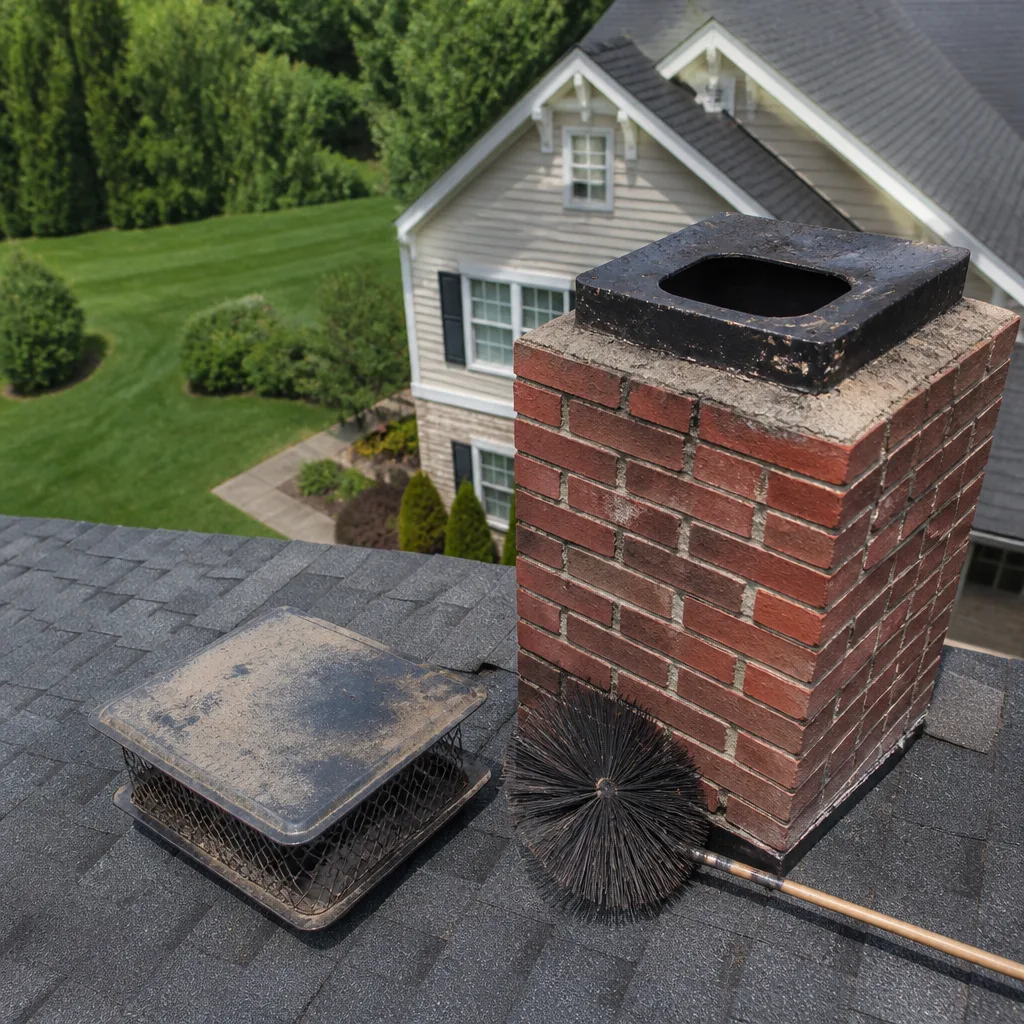 Sweep & inspection
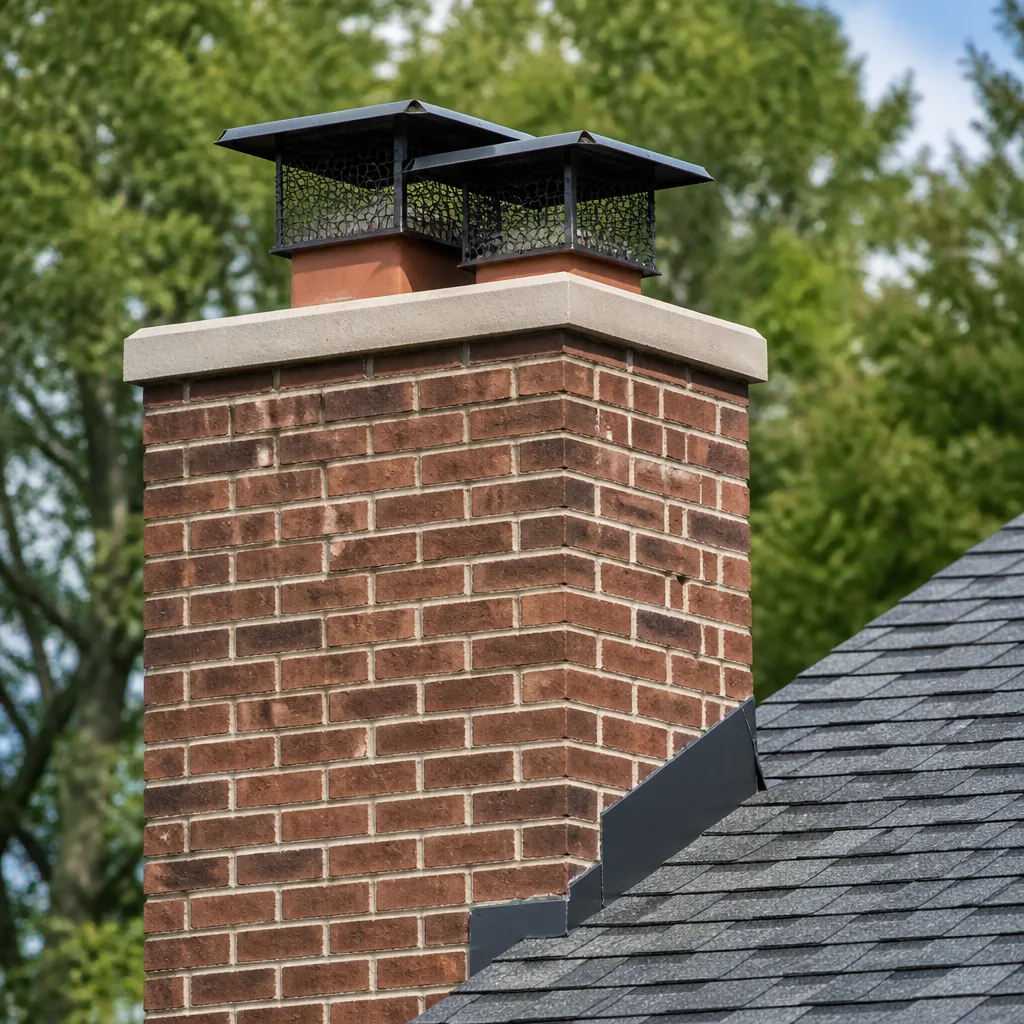 Caps & crowns
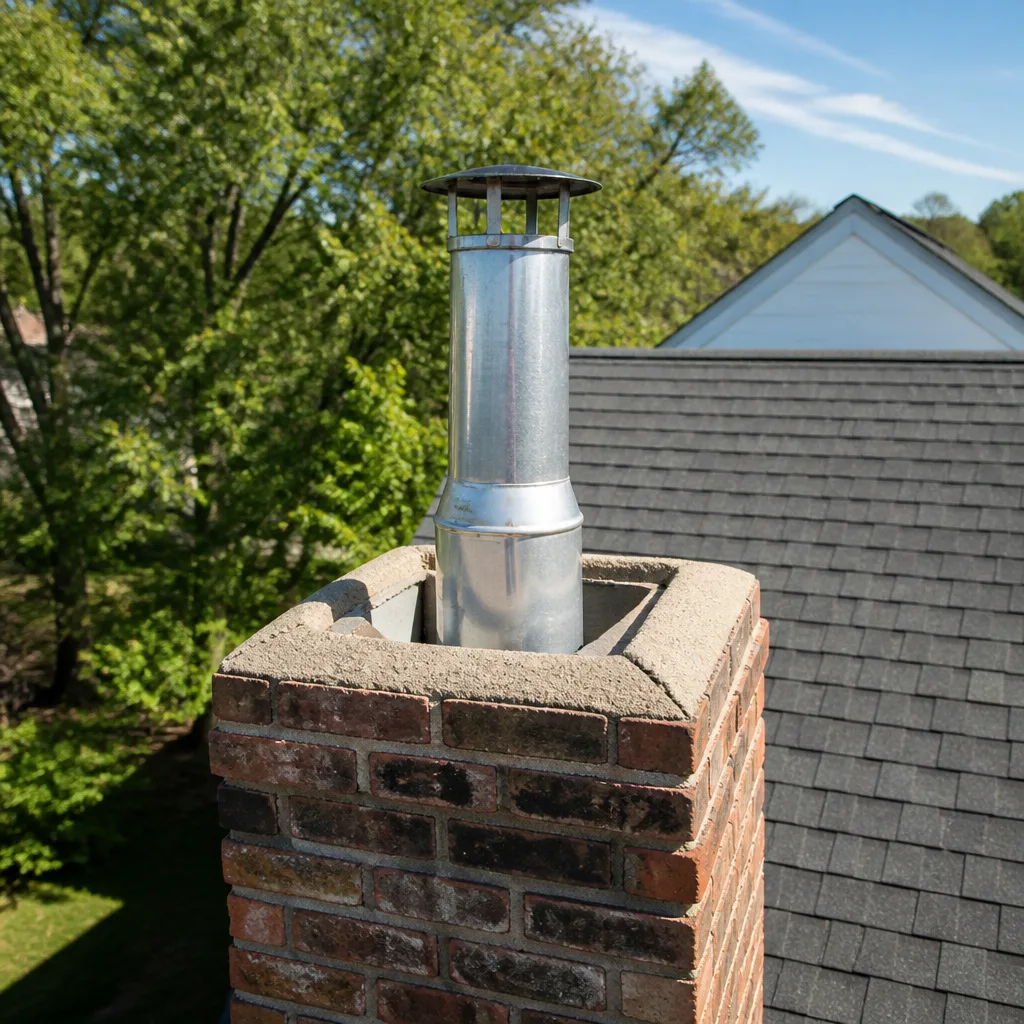 Flue relining
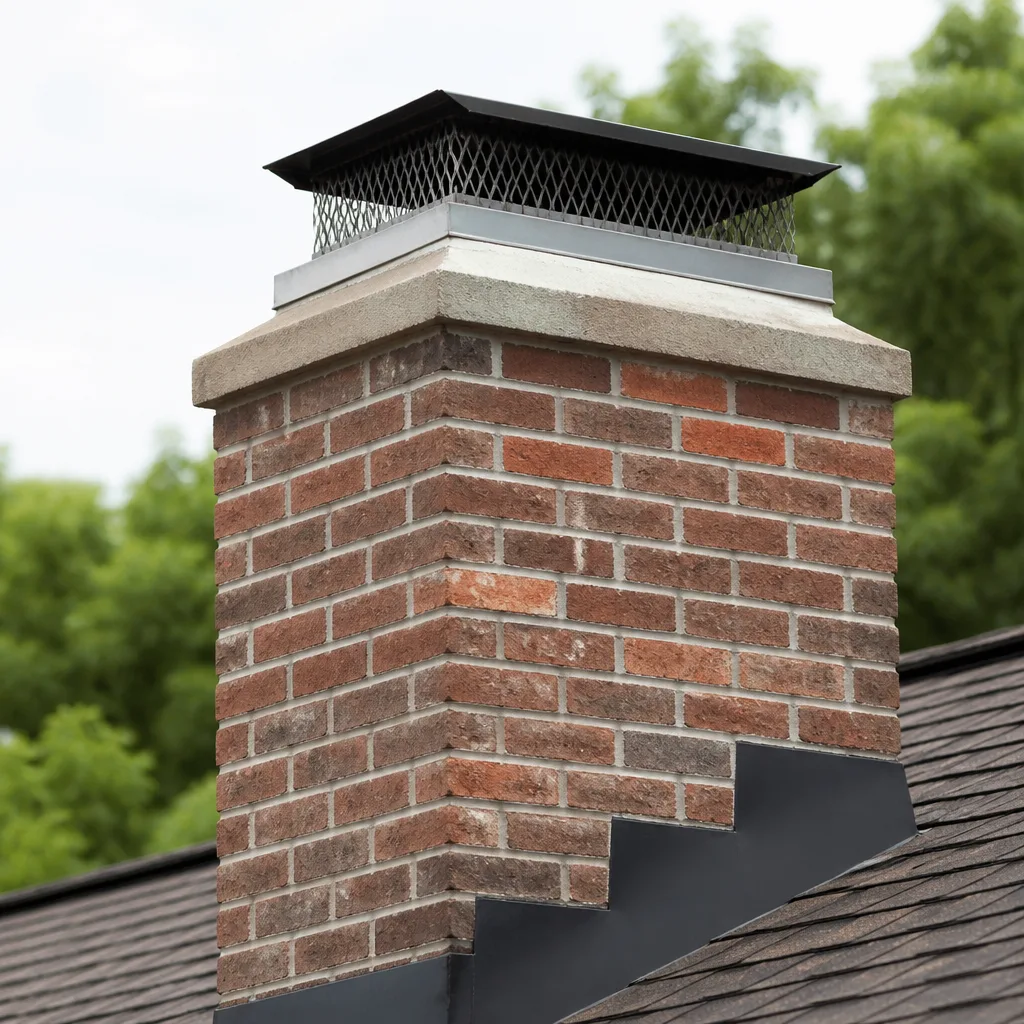 Masonry repair
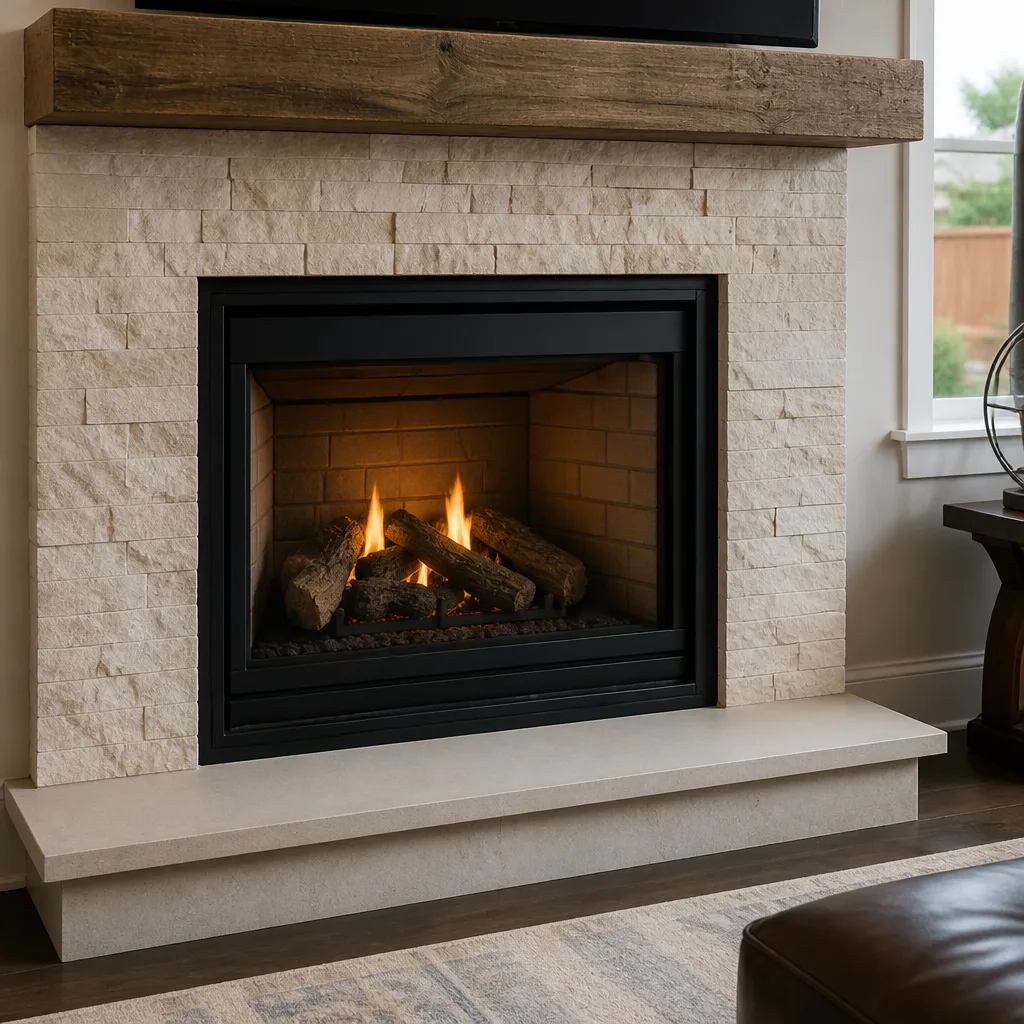 Gas fireplace service
Level 1 sweep and inspection to the NFPA 211 annual standard - flue, crown, cap, and flashing checked and photographed
Chimney sweep logs do not sweep chimneys. They loosen some creosote - which then falls where a brush and vacuum still have to collect it.
Chimney Cleaning Permits, Codes & Inspections in North Dallas, TX: What You Need to Know
Here’s the part most homeowners get wrong: a routine chimney cleaning in North Dallas almost never needs a permit, yet the work that cleaning uncovers often does. Sweeping a flue, removing creosote, and checking a cap are maintenance. Relining a chimney, rebuilding a firebox, or connecting a new gas appliance to an existing flue is regulated construction, and the City of Dallas treats it that way. Skip that permit and the problem isn’t the work itself. It’s what a buyer’s inspector finds years later, and what your insurer asks when a claim lands on the wrong side of a covered alteration. This guide draws the exact line between routine maintenance and permitted work, explains how the code applies here, and shows you how to check that any chimney job was done and signed off legally before you pay for it.
Quick Answer
Routine chimney sweeping and visual inspections in North Dallas do not require a City of Dallas building permit. Permits are triggered by structural or mechanical changes: relining a flue, rebuilding or altering a firebox or chimney structure, installing or replacing a wood stove or insert, and connecting a gas appliance to a flue. Any of that work needs to be permitted, inspected, and closed out so it’s on record when you sell.
Styles & brands we work with
- Sweep & inspection
- Caps & crowns
- Flue relining
- Masonry repair
- Gas fireplace service
Table of Contents
- Which Chimney Services Need a Permit in North Dallas?
- How IRC Section R1003 Applies to North Texas Chimneys
- Dallas County Fire Marshal vs. City Building Inspectors: Who Has Jurisdiction?
- What Happens at Resale When Unpermitted Chimney Work Is Found
- How to Verify a Chimney Job Was Permitted and Inspected
- Why North Dallas Chimneys and Creosote Demand Different Attention
- The Three Inspection Levels and When You Need Which
- What to Ask a Chimney Contractor Before They Start
Which Chimney Services Need a Permit in North Dallas?
Sweeping and inspection sit on the maintenance side of the line. Structural and mechanical work sits on the permitted side. The tricky part is that the two often arrive together. A sweep finds a cracked flue tile, and what started as maintenance becomes a construction project that has to go through the city.
Here’s how the split typically falls in North Dallas:
Usually maintenance, no permit
- Chimney sweeping to remove creosote and soot
- Level 1 and Level 2 inspections (visual and camera-based)
- Cap replacement where the cap mounts to an existing crown or flue without structural change
- Minor masonry repointing of the crown or exterior joints that doesn’t alter the flue or firebox
- Cleaning or replacing a firebox grate, damper hardware, or spark screen
Usually permitted work
- Installing a new stainless flexible liner, or replacing an existing one
- Rebuilding a firebox, smoke chamber, or the chimney structure itself
- Adding or replacing a wood stove, insert, or hearth appliance
- Connecting a gas log set or gas appliance to a flue
- Any change to clearances from combustibles
- Converting a wood-burning fireplace to gas or vice versa
These categories are general. The final word on any specific job belongs to the City of Dallas building department, so the safe move is to ask before work begins. In our experience, the jobs that go wrong are the ones where nobody asked. A homeowner gets a liner installed by a crew that never pulls a permit, and the paperwork trail goes cold. Professional materials like a DuraFlex flexible liner or a HeatShield resurfacing system are only as good as the paper behind them. When we work in North Dallas, we document what we find first, then tell you plainly whether the fix is maintenance or permitted construction. That distinction is part of the estimate.
How IRC Section R1003 Applies to North Texas Chimneys
The International Residential Code, Section R1003, is the baseline residential chimney code, and North Texas adopted versions of it through local amendments. R1003 is where the rules live for chimney construction, flue sizing, liner materials, wall thickness, and clearances to combustible framing. It doesn’t care whether you’re in a ranch house off Preston Road or a two-story near the Galleria. The physics of a hot flue against wood framing are the same everywhere.
What R1003 covers that matters most to a North Dallas homeowner:
- Flue liner requirements. A chimney used for solid fuel must have a listed, properly sized flue liner in sound condition. If the original clay tile liner is cracked or missing in sections, the chimney isn’t code-compliant as a venting system until it’s relined or resurfaced.
- Clearances to combustibles. Framing, sheathing, and insulation must maintain the clearances the code specifies from the chimney’s outer surface. Remodels that pack insulation against a chimney are a common violation, and they’re often invisible until an inspection opens things up.
- Flue sizing. The flue must be sized to the appliance. An oversized flue draws poorly and builds creosote faster. An undersized one can spill smoke into the room.
- Materials. The liner material must be listed for the fuel type. That’s why a stainless flexible liner rated for wood is the standard choice when a clay liner is compromised, and why a resurfacing product like HeatShield is applied only where it’s approved for the condition.
R1003 is also why an inspection matters before you assume anything. You can’t tell from the firebox whether the liner above it is sound. A camera inspection can. When we look at a chimney in North Dallas, we document the flue condition on camera and show you the footage. If the liner is fine and the crown is the actual problem, we tell you that. A Famco or Gelco cap and a repaired crown are far less work than a reline, and the code doesn’t require you to reline a chimney that’s already compliant.
Dallas County Fire Marshal vs. City Building Inspectors: Who Has Jurisdiction?
Two different offices can end up involved with chimney work, and homeowners often assume they overlap more than they do. In practice, the split is about what’s being regulated.
City building inspectors handle the construction side. When a permit is pulled for a reline, a firebox rebuild, or a new appliance connection, a city inspector signs off on the work against the applicable codes, including R1003. That inspection is the record that matters at resale. It’s a construction approval, not a fire investigation.
The Dallas County Fire Marshal handles fire safety enforcement: responding to and investigating chimney and structure fires, enforcing fire codes in commercial and multi-family settings, and reviewing certain installation activities. The Fire Marshal has a real role, but a routine residential sweep in North Dallas is not something the Fire Marshal’s office gets involved in.
Where this gets confusing is at the edges. A remodeling permit that touches a chimney might pull in reviews from more than one office. A commercial or multi-family chimney project is subject to fire code requirements a single-family home isn’t. The permit counter is the place to ask which office applies, because the answer depends on the project. What you don’t want is a contractor who shrugs and says “you don’t need a permit for that” without having asked. We’d rather tell you it’s maintenance and be right than tell you to skip a permit and be wrong.
What Happens at Resale When Unpermitted Chimney Work Is Found
Unpermitted chimney work is one of the more common issues that surfaces in a North Dallas home inspection, precisely because it’s invisible. A reline or firebox rebuild happens behind the wall and inside the flue. The work can be perfectly sound and still be a problem, because the issue is the missing paper trail, not the quality.
Here’s the sequence that usually plays out:
- Your buyer’s inspector finds evidence of work done without a permit. That can be as simple as a newer liner visible from the roof or a firebox that doesn’t match the surrounding masonry. Inspectors know what to look for.
- Your buyer’s lender or insurer flags it. Lenders want permitted improvements on the property. Insurers want to see that combustion appliance work was done legally before they’ll price or cover the risk.
- You’re asked to prove it was permitted. Without a permit record, you can’t. You can try to get a permit retroactively, but that means opening the work for inspection, and if anything falls short of the current code, the cost is yours.
- The deal gets renegotiated or delayed. A buyer who discovers unpermitted chimney work has leverage, and a transaction can stall while the paperwork gets sorted. The point isn’t the dollar figure. It’s that the work you paid for becomes a liability instead of an asset.
That’s the real reason to keep the permit record for any chimney work that required one. It’s not bureaucracy. It’s the proof that travels with the house. The same logic applies to the technician’s documentation: whatever we find, we write it down before we recommend anything, because you should be able to point to exactly what was done and why.
How to Verify a Chimney Job Was Permitted and Inspected
You don’t need to be a contractor to check. You need to know what to ask for, and you need to ask before you pay the final invoice. Here’s the process, step by step.
- Ask whether the job requires a permit before work begins. Not after. A straight answer up front tells you whether the contractor is playing it by the book.
- Get the permit number in writing. If a permit is pulled, note the number and the project address on your paperwork.
- Ask for the inspection result. The city signs off on permitted work. An inspection that hasn’t been scheduled or completed means the job isn’t closed out. Insist that it is before you make the final payment.
- Keep the documentation with your home records. Inspection results, the contractor’s written scope, and photos of the work before and after belong in a file you can pull out at resale.
- Confirm the closing inspection happened. A permit that was pulled but never inspected is a loose end. Ask the contractor to confirm the inspection was passed, not just scheduled.
The single most useful thing you can do is ask before you sign. If the contractor says “we don’t need a permit for that,” ask them to explain why in writing. A legitimate answer will reference what the project actually is, not a general claim about the trade. And if you’ve already had work done and can’t find the record, call the City of Dallas building department and ask whether a permit exists for your address. It’s a five-minute check and worth doing before you list the house.
Why North Dallas Chimneys and Creosote Demand Different Attention
North Texas is hard on chimneys in a way that surprises people who move here from colder climates. The winters are mild, so many fireplaces sit unused for months at a stretch, then get worked hard when the first real cold front rolls through. That pattern of long dormancy followed by heavy use is exactly what builds creosote in layers, and creosote is fuel.
Two local conditions matter for how that plays out:
- Warm-season moisture cycles. Summer humidity and fall rain work on the same masonry and crown that carry winter fire heat. The combination of wet masonry and a slow, cool, long-burning fire, which is what a lot of North Dallas fireplaces produce, deposits unburned residue faster. Creosote has a few forms. Glazed creosote is the most stubborn and the most flammable.
- Air conditioning and negative pressure. A tightly sealed, air-conditioned house can pull a weak draft backward in shoulder season. That means smoke lingers in the chimney longer, which increases the deposit rate and can mask a venting problem.
None of that means you need to sweep monthly. It does mean the annual sweep plus an inspection is doing real work here. And it’s why a cap matters more than most people think. Our chimney cap & crown work is usually about water management first, because a North Dallas chimney without a properly fitted cap is taking on rain all year. A Famco or Gelco cap is a small job that protects a much larger investment. When the crown is also cracked, repairing it at the same time is the sensible move. That’s the kind of thing an inspection catches, and the kind of thing a sweep-only visit misses.
The Three Inspection Levels and When You Need Which
Chimney inspections come in levels, and knowing which one you need keeps you from paying for more than the situation calls for. Not every problem needs the deepest look.
Level 1: The Standard Annual Inspection
A Level 1 inspection is a visual check of the chimney and fireplace as they’re used, with no special tools or access required. It’s the right choice for an annual checkup on a chimney that has no known problems, no changes in appliance, and no history of trouble. Most North Dallas homeowners with a dedicated fireplace who get swept every year are being served by a Level 1 plus a sweep.
Level 2: When Things Have Changed
A Level 2 inspection includes a camera scope inside the flue and access to concealed areas. It’s required when the property changes hands, when an appliance or fuel type is changed, after a chimney fire, after a structural event like a foundation shift or a storm, and when a problem is suspected. A home sale is the most common trigger, and it’s the level that produces the video evidence that matters in a transaction.
Level 3: When Access Is Required
A Level 3 inspection is for a specific suspected problem that can’t be seen from the normal access points, and it may involve removing parts of the chimney or adjacent construction. It’s rare, and it’s a targeted investigation, not a routine service.
Which level applies to your chimney comes down to what the inspection finds at each stage. We document findings as we go, and we tell you when a Level 1 is enough and when a camera has to go in. If your fireplace has had substantial changes since it was last looked at, ask for the camera before you assume a sweep covers it.
What to Ask a Chimney Contractor Before They Start
Most homeowners never ask what brand of materials will be used, and they should. The liner and cap are the parts of the system doing the actual safety work, and the product choice should match the chimney’s condition, not the stock on hand.
Ask these questions before you hire:
- “Does this job need a permit, and who pulls it?” The contractor should know the answer for a City of Dallas job and put it in the estimate.
- “What brand of liner or resurfacing product will you use, and why?” A proper answer talks about the flue condition and the product’s approval. A DuraFlex flexible liner and a HeatShield resurfacing system solve different problems, and a contractor who works with a range of professional materials, like Olympia Chimney components alongside DuraFlex and HeatShield, can match the product to the job instead of forcing one.
- “Will you show me the camera footage?” If they won’t, keep looking. The footage is how you know the recommendation is real.
- “What’s in scope, and what can safely wait?” A good estimate separates the urgent work from the optional work and says plainly which is which.
- “How is the work documented, and will I get photos after?” Before-and-after photos and an inspection result belong in your records.
- “Are you licensed and insured as your state requires?” Ask, and ask for proof. The professional doing the work should be able to show it.
For general annual maintenance, our chimney sweep service includes a camera inspection and a photo report, so you see the evidence that drives any recommendation. If the firebox itself is damaged, that’s a different scope, and our fireplace repair work covers it. Either way, nothing gets recommended without something to point at, and a flat price is agreed before we book the job.
Common Mistakes to Avoid
- Assuming a sweep counts as an inspection. A sweep cleans; an inspection documents condition. They usually happen together, but they aren’t the same service, and a cleaning crew that never looks up the flue with a camera can miss a cracked liner entirely.
- Taking “you don’t need a permit” at face value. The contractor should be able to explain why, referencing the actual scope. A blanket statement about the trade isn’t an answer, especially in North Dallas where a reline is often the hidden repair behind a routine cleaning.
- Trusting a liner that was never permitted. The product can be excellent and the job still be a problem, because there’s no inspection record. Ask for the inspection result, not just the invoice.
- Letting unpermitted work sit until you sell. Cleaning up the record is easier before a buyer’s inspector finds it. If you know work was done without a permit, deal with it now.
- Skipping the cap and crown. Water gets into chimneys through the top. A missing or badly fitted cap is a slow leak that shows up as masonry damage years later, and it’s inexpensive to fix early.
- Burning a long, cool fire to save wood. A smoldering fire produces more creosote than a hot one. That’s true everywhere, but it matters more in a house that sits unused all summer before a hard winter.
- Going without an annual inspection after a change to the appliance. A new insert, a new gas log set, or a conversion is a Level 2 trigger. Treat it that way.
See the difference
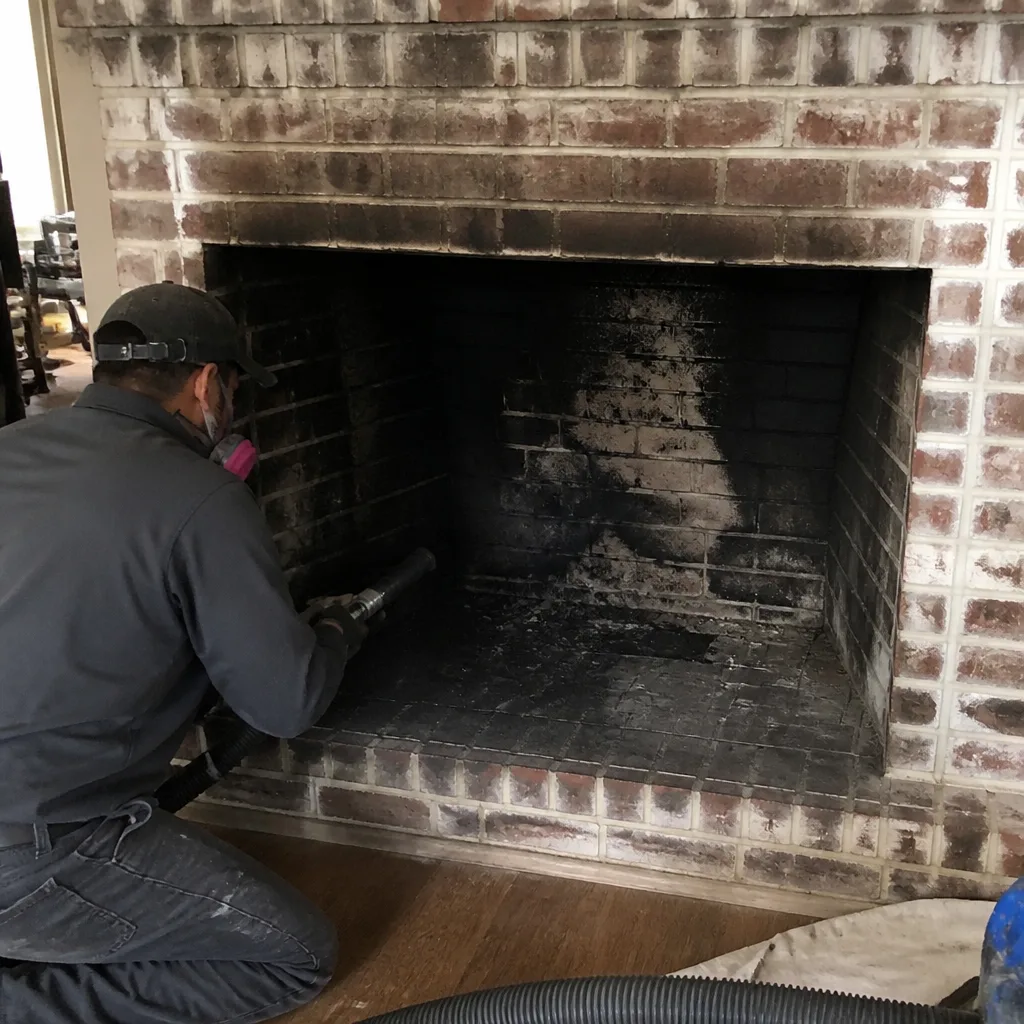 Before
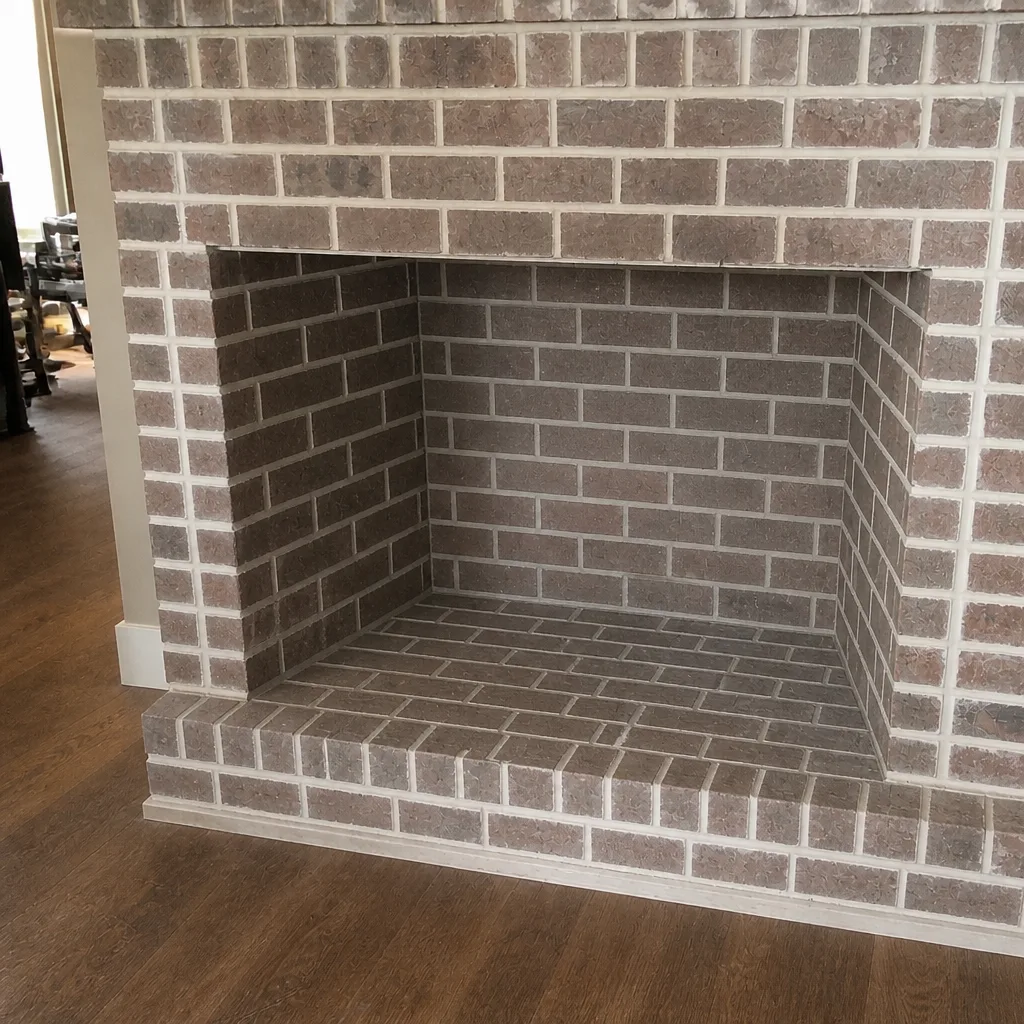 After
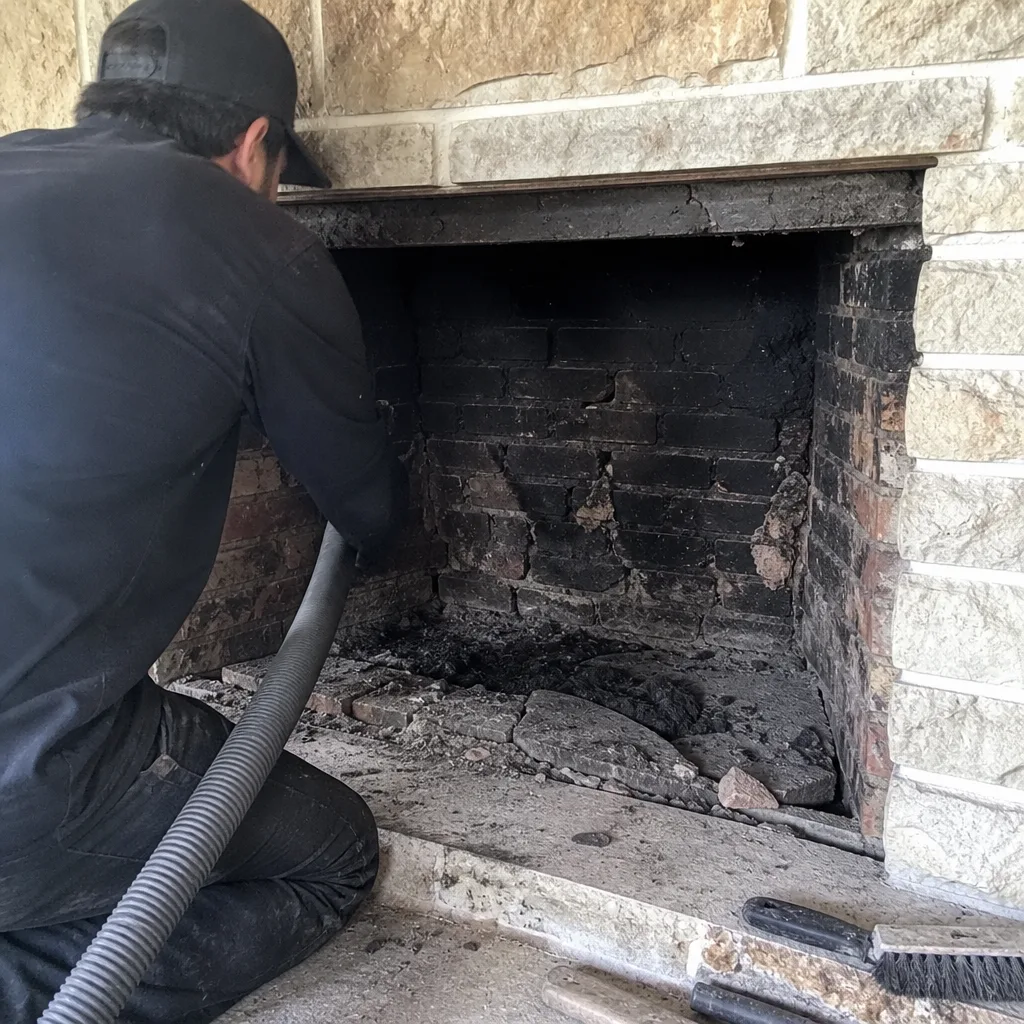 Before
 After
 Before
 After
When to Call a Professional
Call for an inspection before the first fire of the season, not after it. Call if you’ve changed anything about the fireplace: a new insert, a gas log set, a conversion, or a remodel that touched the chimney. Call if you’re buying or selling a North Dallas home, because that’s a Level 2 trigger and the camera evidence matters in the transaction. Call if you see cracked or missing mortar, water stains on the ceiling near the chimney, a damper that won’t close, or a smoky smell in the room that isn’t explained by the fire. Call if you’ve never had the chimney looked at, or if you can’t find a record of the last inspection. And call if you already suspect work was done without a permit, so we can tell you what’s actually there. Chimney Sweep North Dallas offers free estimates in North Dallas. Call (833) 468-3242 to get one.
Frequently Asked Questions
No. A routine chimney sweep is classified as maintenance, and the City of Dallas doesn’t require a building permit for cleaning a flue. The permit question comes up when the sweep uncovers structural or mechanical work, like a cracked liner that needs replacing or a firebox that needs rebuilding. Call (833) 468-3242 for an exact quote on whatever the inspection finds; estimates are free.
Yes, in nearly every case. Replacing a flue liner is a modification to a combustion appliance venting system, and it’s regulated construction that requires a permit and an inspection. The specific scope determines the paperwork, so have it confirmed with the City of Dallas building department before the work starts. If a contractor tells you a reline needs no permit, ask them to explain why in writing.
The buyer’s inspector can find it, and then you’ll be asked to prove the work was permitted. If there’s no record, you can’t prove it without a retroactive permit and inspection, and any deficiencies become your cost. It’s cleaner to get the record straight before you list the house.
R1003 sets the baseline for residential chimney construction, covering flue liner requirements, flue sizing, clearances to combustibles, and approved materials. North Texas adopts it with local amendments, and the City of Dallas enforces it during permitted work. An inspection tells you whether your chimney actually meets it.
The city building department has jurisdiction over the permitted construction, like a reline or firebox rebuild. The Dallas County Fire Marshal has jurisdiction over fire safety enforcement and fire investigations. A routine residential sweep in North Dallas doesn’t involve either office.
Once a year, and before the heating season if the fireplace has sat unused all summer. Heavy use or a long, cool-burning fire habit means more frequent attention. An annual inspection tells you whether a sweep is actually needed or whether the chimney is in good shape. Call (833) 468-3242 to book one; estimates are free.
The Bottom Line
Routine chimney cleaning in North Dallas doesn’t need a permit, but the repairs that come out of a cleaning often do. Relining, rebuilding a firebox, and connecting a gas appliance are regulated work under IRC Section R1003, enforced by the City of Dallas through permits and inspections, with the Dallas County Fire Marshal handling fire safety rather than construction. The record of that permit is what protects you at resale, when a buyer’s inspector finds the work and asks for proof. Check before work starts, keep the inspection result, and ask what brand of materials will be used and why. From the cap down to the firebox, we handle the full system and document what we find before we recommend anything. To schedule an inspection or get a straight answer on whether your chimney needs permitted work, call Chimney Sweep North Dallas at (833) 468-3242 for a free estimate. We answer 24/7. Fast dispatch from 7am to 7pm, Sunday through Friday. For the full picture of how we work, start with Chimney Sweep North Dallas.
Written by the team at Chimney Sweep North Dallas.