
Last updated November 25, 2026
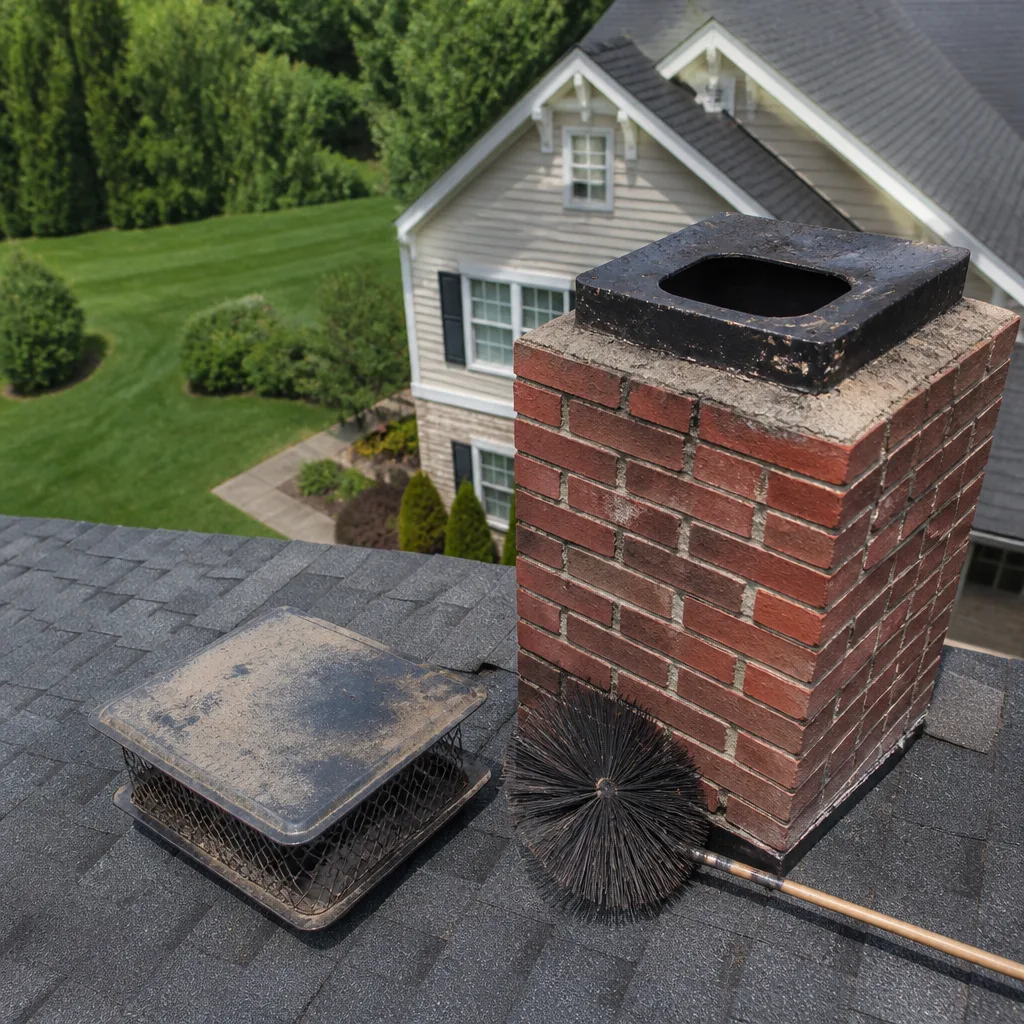 Sweep & inspection
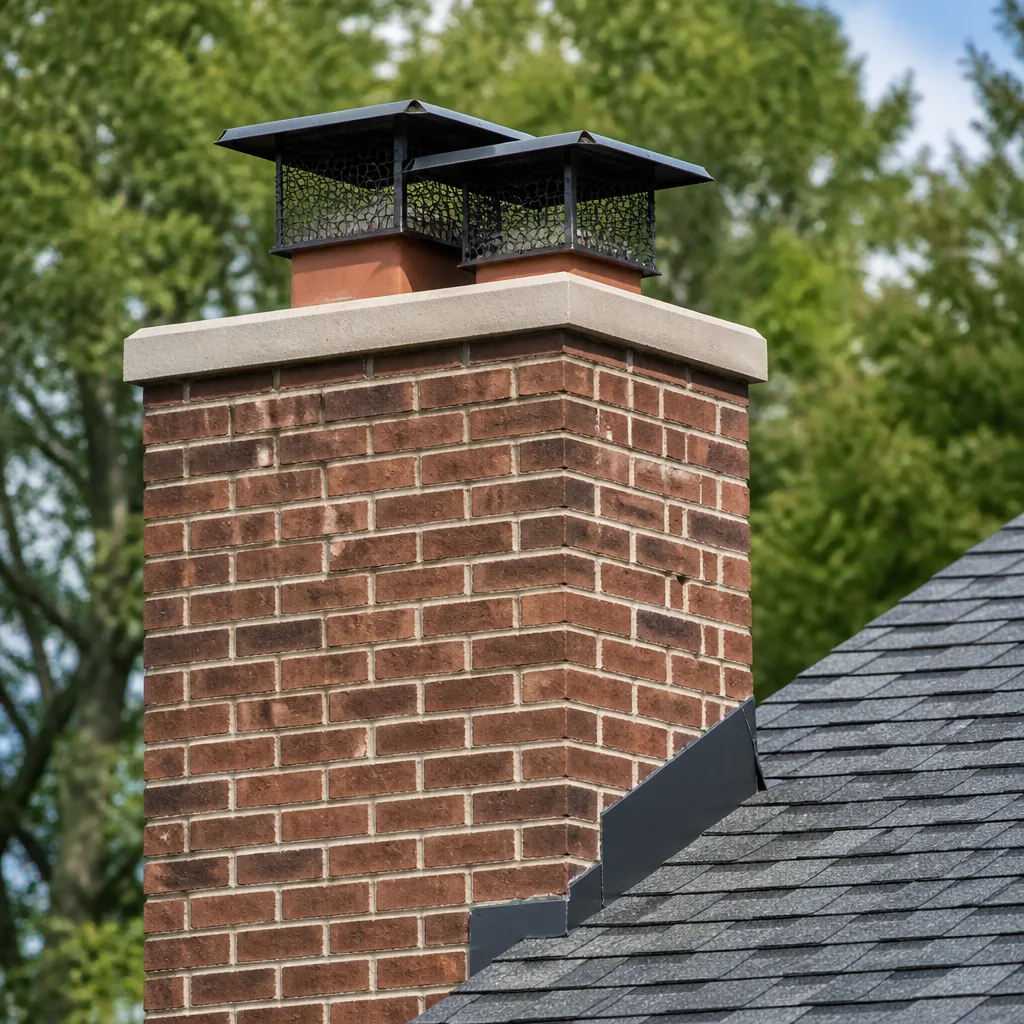 Caps & crowns
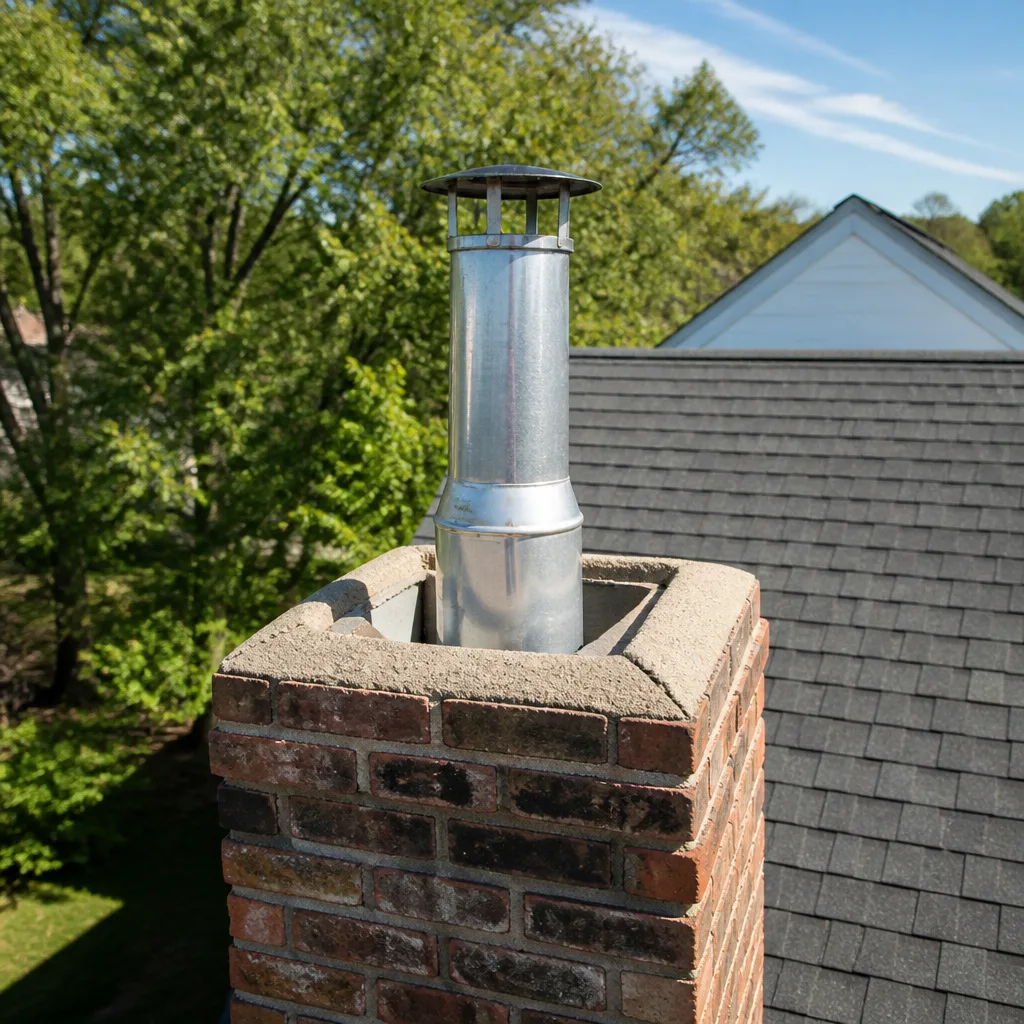 Flue relining
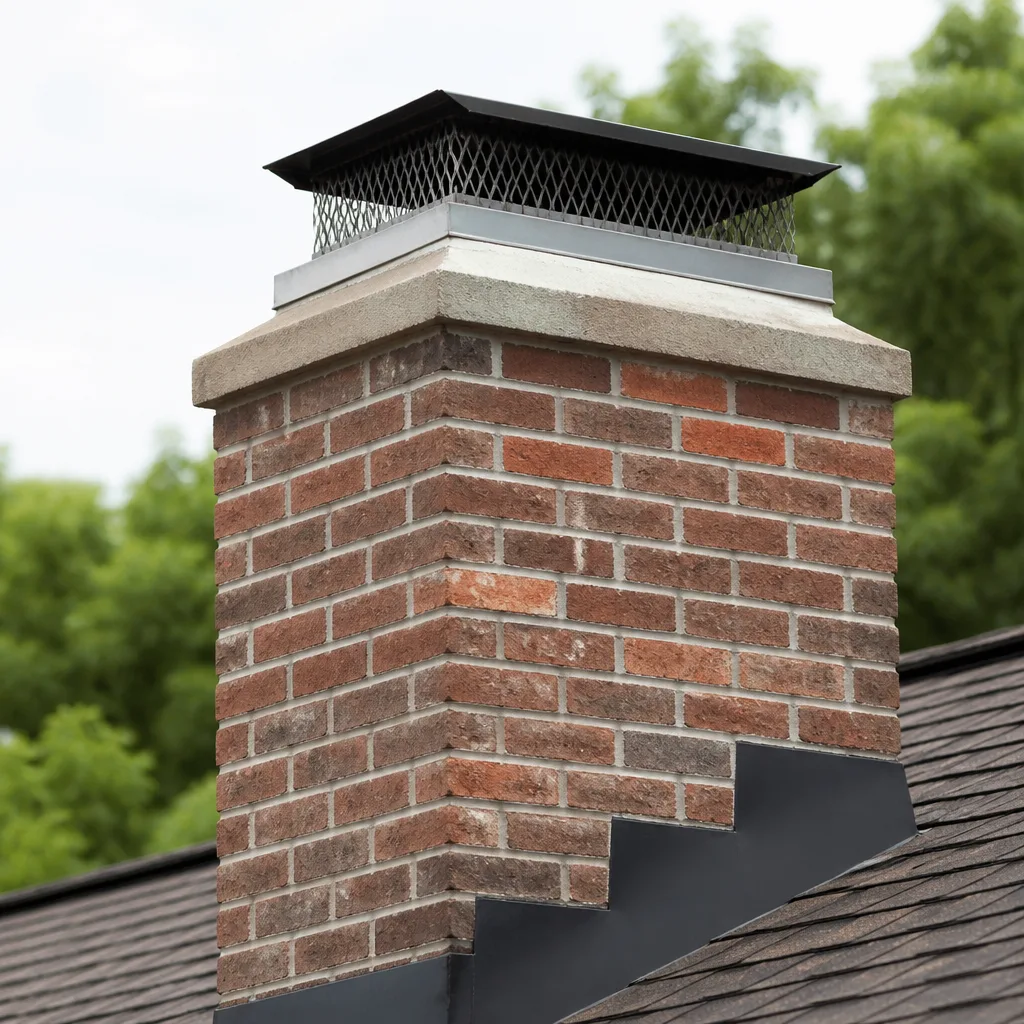 Masonry repair
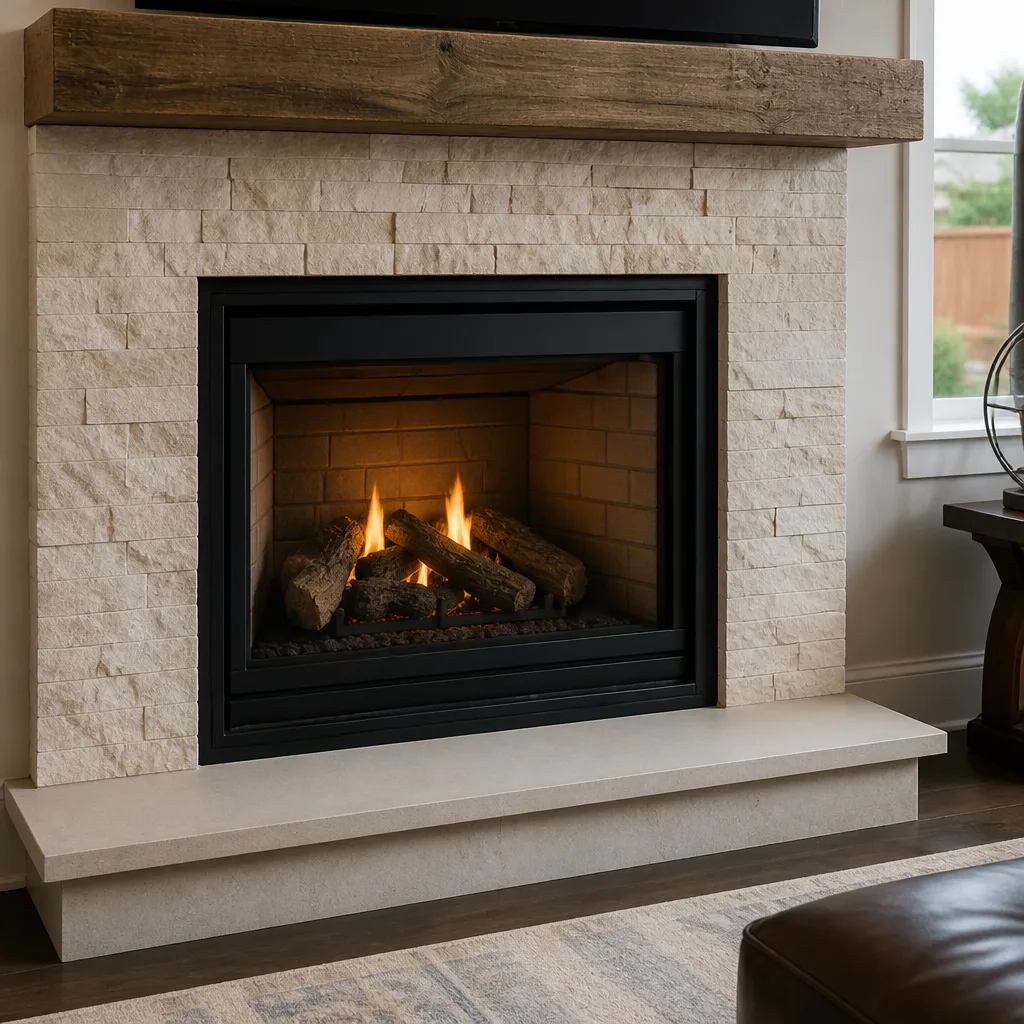 Gas fireplace service
Level 1 sweep and inspection to the NFPA 211 annual standard - flue, crown, cap, and flashing checked and photographed
Chimney sweep logs do not sweep chimneys. They loosen some creosote - which then falls where a brush and vacuum still have to collect it.
Chimney Sweep Maintenance Checklist for North Dallas Homeowners
A chimney crown that survives a Chicago winter can fail after one North Texas summer. That surprises people. The damage here usually isn’t done by cold. It’s done by 100°F-plus heat that expands the masonry, opens hairline cracks, and lets the first heavy November rain work its way in before the burning season even starts. By December, the water has found the smoke chamber. This guide is a maintenance checklist built around what actually breaks in North Dallas, not a generic list copied from a cold-climate pamphlet. You’ll get the pre-season checks, the storm triggers, the gas-versus-wood differences, and the one task most sweeps skip.
Quick Answer
A North Dallas chimney needs a sweep and inspection once a year, ideally in early fall before the first burn, plus a check of the cap and crown every spring after summer heat has had its way with the masonry. Wood burners need annual sweeping; gas fireplace owners need an annual inspection but rarely a sweep. After any hail event, look at the cap and crown within a week. Log every visit so you have records for insurance and resale.
Styles & brands we work with
- Sweep & inspection
- Caps & crowns
- Flue relining
- Masonry repair
- Gas fireplace service
Table of Contents
- Pre-Season Checklist: Before the First Fall Burn
- Why North Texas Summer Heat Is Hard on Your Chimney
- Post-Storm Inspection Triggers
- Gas vs. Wood: Which Checklist Lines Apply to You
- The Skipped Task: Smoke Chamber Parging
- Cap and Crown: Where Water Gets In
- How to Log Maintenance for Insurance and Resale
- Building Your Annual North Dallas Chimney Schedule
Pre-Season Checklist: Before the First Fall Burn
North Dallas burning season starts late. The first genuinely cold night often doesn’t arrive until well into November, and plenty of homeowners don’t touch the fireplace until Thanksgiving week. That late start is exactly why the pre-season checklist matters: your chimney has just spent five months baking in the sun, and nobody has looked at it since spring.
Run through these items before you light the first fire:
- Look at the firebox and damper. Open the damper fully and check that it moves and seats. Look for rust flakes or white staining on the metal, which point to water getting in from above.
- Check the firebox brick and mortar joints. Hairline cracks in the firebrick are normal. Missing mortar or gaps you can push a coin into are not. Those need a closer look from a professional.
- Note the creosote load from last season. Shine a light up the flue from the firebox. If you see a glaze that looks like black glass, that’s the dangerous kind and it needs sweeping before you burn again.
- Get up top or book a look. The crown, cap and flashing are where most problems live, and they’re not visible from the hearth. You’ll want a chimney inspection if you can’t safely see them yourself.
- Clear the firebox of debris and old ash. Ash holds moisture against the firebox floor over the summer.
- Test your smoke and carbon monoxide alarms. This isn’t a chimney task, but it belongs on the same list. A chimney that drafts poorly can push combustion gases into the room.
In our experience, the pre-season visit is the one homeowners most often skip and later wish they hadn’t. A creosote-glazed flue that sat all summer is still a creosote-glazed flue in November, and a crown crack that went unnoticed in August is a water-stained smoke chamber by January.
Why North Texas Summer Heat Is Hard on Your Chimney
People assume chimneys are damaged by fire and cold. The truth is that the roof of a North Dallas home can hit 150°F on an August afternoon, and the masonry above it is doing something it never does in colder climates: expanding and contracting on a daily cycle with nothing to buffer it. That daily movement is what opens the hairline cracks in the crown and the mortar joints you’ll find in the fall.
What to look for after the summer:
- Crown cracks. The crown is the flat concrete or mortar cap on top of the chimney. Heat stress opens fine cracks, and water finds them fast. A cracked crown is the single most common source of chimney water intrusion we find in North Dallas.
- Spalled brick faces. When moisture gets behind a brick face and the sun heats it, the face pops off. You’ll see small brick flakes on the roof or in the gutter. Spalling tends to worsen over several summers if the crown isn’t repaired.
- Mortar joint erosion. The joints between bricks dry out and crumble faster under sustained heat. Rake a fingernail across an exposed joint on the roof; if mortar crumbles, it’s failing.
- Cap damage. Metal caps rust from the inside out after years of summer humidity and winter rain. A cap with pinholes lets water straight into the flue.
The practical takeaway: check your crown and cap in late spring and again in early fall. If you had a cracked crown repaired in the fall, look again the following June. The repair either held through one summer or it didn’t, and you want to know which.
Post-Storm Inspection Triggers
North Texas hail doesn’t politely skip chimneys. A single storm can dimple a metal cap, crack a crown, and knock loose a top-row brick. The problem is that most of this damage is invisible from the ground, and homeowners walk past it for months because the chimney “still works.”
Check these after any significant hail or wind event:
- The cap. Look for dents, cracked or missing screens, and separation at the collar. A hail-hit cap often rusts through in one rainy season, long before it needed replacing otherwise.
- The crown edge. Hail hits the crown’s rim hardest. Look for chips, fresh cracks radiating from the edge, and missing chunks of mortar.
- Flashing. The metal that seals the chimney to the roof takes hail hits and wind loads. Any lifted edge lets water under the shingles and down the chimney sides.
- Top-course brick. A wind gust can loosen a brick at the top without knocking it fully off. Look for offset caps, sagging courses, and mortar dust at the base.
- The firebox and smoke shelf. If a hail storm came with heavy rain, water can be pushed down an unprotected flue. Check for moisture inside the firebox in the following days.
Famco and Copperfield caps we install are built for the kind of weather this region throws. When a cap is damaged beyond repair, replacing it is usually a small job compared to what water intrusion will cost once it works its way down the flue.
Gas vs. Wood: Which Checklist Lines Apply to You
A gas fireplace and a wood-burning fireplace on the same North Dallas street need very different maintenance. The two lists below are kept separate on purpose, so homeowners with one appliance know exactly which lines apply. If you have both, run both lists.
Wood-burning fireplace or insert checklist
- Sweep annually once the flue has more than about 1/8 inch of creosote buildup. In our experience, most homes burning regularly through the season need a sweep every year.
- Inspect the firebrick, firebox, and damper before each season for cracks, gaps, and rust.
- Check the cap screen for blockages from bird nests and creosote flakes; a blocked screen causes smoke to back into the house.
- Inspect the crown and flashing each spring after the summer heat stress period.
- Have the flue inspected by camera to check the smoke chamber, which a sweep from below cannot fully see.
Gas fireplace checklist
- Inspect annually for gas leaks, blocked vents, and debris in the burner assembly. This is a safety check, not a sweep; a gas appliance doesn’t produce creosote the way wood does.
- Clean the glass and log set per the manufacturer’s instructions. Soot on the glass usually means the air mixture needs attention.
- Check the venting or flue for blockages, nests, and corrosion. Even vented gas fireplaces have a flue that can take on water.
- Inspect the termination cap on the roof for hail damage and rust.
- Test carbon monoxide alarms nearby before the season starts; a gas appliance with a blocked vent is a CO risk.
One thing that applies to both: if your chimney crown is cracked, water will find the flue regardless of fuel type. North Dallas rain doesn’t care whether you burn wood or gas.
The Skipped Task: Smoke Chamber Parging
Here’s the one maintenance task that gets skipped on most basic sweep visits: smoke chamber parging. The smoke chamber is the sloped space just above the damper and below the flue. Its job is to funnel smoke from the firebox up into the flue. When it’s rough and jagged from the original construction (which it usually is), creosote clings to every ridge, and smoke turbulence slows the draft.
Most sweeps don’t touch it because it’s hidden behind the damper, hard to reach, and can’t be seen without a camera. A basic sweep cleans the flue and the firebox floor. That’s not the same as addressing the smoke chamber.
What proper parging involves:
- Camera inspection of the smoke chamber to see how rough the surface is and where creosote has clung.
- Removal of loose creosote and mortar from the chamber walls.
- Application of a smooth refractory parging compound that fills the ridges and slopes the chamber so smoke flows cleanly.
HeatShield is the product we use for this kind of cosmetic restoration of the smoke chamber and flue, applied by certified technicians. It fills cracks and smooths rough surfaces without the cost of a full liner replacement. That’s often the right call when a chimney is structurally sound but drafty and hard to clean. Not every chimney needs it; a camera inspection tells you whether yours does. We document what we find before recommending anything, so you can see the chamber for yourself before deciding.
Cap and Crown: Where Water Gets In
Ask any chimney professional in North Dallas what causes most of the water damage they repair, and the answer is consistent: a failed cap or a cracked crown. Both are inexpensive to fix and expensive to ignore. Water in the flue rusts dampers, soaks insulation, stains the firebox, and in a cold snap can cause spalling inside the chimney structure.
What a good cap does
A chimney cap is a metal hood that sits on top of the flue, usually with a spark screen around it. It keeps rain out, keeps animals out, and keeps sparks off the roof. A rusted or missing cap lets water straight down the flue, which is the fastest path to a costly repair. We install Famco and Copperfield caps because both lines are built for the weather conditions this region throws at a roof, with sturdy screens and solid mounting collars.
What a good crown does
The crown is the sloped concrete cap that sheds water off the top of the chimney. When it cracks, water runs in through the chimney brick instead of off it. Repairs range from a crown coat (for minor surface cracking) to a full crown rebuild (for deep structural cracks). A properly built crown has an overhang and a proper slope so water sheds cleanly.
Both cap and chimney cap & crown work goes on the annual checklist, not the once-in-a-decade checklist. Check both every spring, and again after any hail.
How to Log Maintenance for Insurance and Resale
Most homeowners do the work and keep no records. Then a home inspector asks for the last chimney inspection, an insurer asks whether the roof and chimney were maintained, and there’s nothing on paper. A simple log solves this.
What to log for each visit:
- Date and service performed. “Annual sweep and inspection, October.” Note who did it and whether the chimney passed.
- Camera findings. Note what the inspection found, even if no repair was needed. “Flue looked clean, no cracks, crown has minor surface hairline cracks, monitor next spring.”
- Materials used. If work was done, note the product. “Smoke chamber parged with HeatShield” or “Famco cap installed.” The brand matters later when the next technician or a homebuyer asks what’s on the chimney.
- Photos. Keep the inspection photos and any before/after shots. They are the fastest answer to any future question about condition.
- Insurance claims. If a hail storm prompted a crown repair, keep the dated invoice and photos. It shows the work was done in response to a covered event.
At resale, a documented maintenance history is worth more than a one-time inspection. It tells a buyer the chimney was looked after, not neglected.
Building Your Annual North Dallas Chimney Schedule
North Dallas’s climate has a long hot summer and a short, late-starting burn season. That means the chimney year is set to a different rhythm than most generic guides describe. Here’s the schedule that matches what we actually see across North Dallas neighborhoods, from Preston Hollow to Far North Dallas and the Park Cities:
- Spring (April-May): Cap and crown check after the first warm weeks, to catch heat stress early. Repair any cracks that opened during the winter.
- Summer (June-August): Light monitoring. Watch for spalling brick faces and check the cap after storms. No major work usually needed unless a specific issue was flagged in spring.
- Early Fall (September-October): Annual sweep and inspection, before the first burn. This is the best window to get on a professional’s schedule; late October through December is the busiest stretch. If you’d like to avoid waiting, book the sweep in September.
- Burning Season (November-February): Keep the firebox clear and watch the draft. If smoke backs up, stop using the fireplace and call before burning again.
- After any hail event (any month): Quick visual check of the cap and crown, plus a look up the flue from the firebox. Follow up with a professional look within a week if anything looks off.
If your annual schedule slipped and you’re going into a season without a recent inspection, we can usually get you booked. Call (833) 468-3242 to set up a chimney sweep and inspection.
Common Mistakes to Avoid
- Only checking the chimney in the fall. The damage happens in the summer. If you only look before the first burn, you’ve already missed the season when the crown and cap needed checking. Add a spring check to the calendar.
- Assuming a sweep includes an inspection. A sweep cleans the flue; it doesn’t always assess the crown, cap, smoke chamber, or flashing. Ask specifically whether a camera inspection is included. If you don’t get one, ask for it.
- Ignoring a hairline crown crack. Small crown cracks widen every summer. A coat now is far cheaper than a rebuilt crown later, and it stops water before it finds the flue.
- Skipping the smoke chamber. A sweep from below can’t clean a rough smoke chamber, and a dirty smoke chamber causes draft problems and creosote buildup. Ask for a camera look.
- Choosing a sweep with no stated materials. If a sweep can’t tell you what product they use for a repair, you don’t know what’s going on your chimney. We use DuraFlex flexible liner systems, HeatShield resurfacing, and Olympia Chimney components because each is the right fit for a specific type of repair, not because it’s all one brand.
- Treating the gas fireplace like wood. A gas fireplace needs an annual inspection, not a sweep. Skipping the inspection can leave a vent blockage or a gas issue undetected.
- Not keeping records. A home inspection without maintenance records is a red flag to a buyer. Keep the invoices and photos.
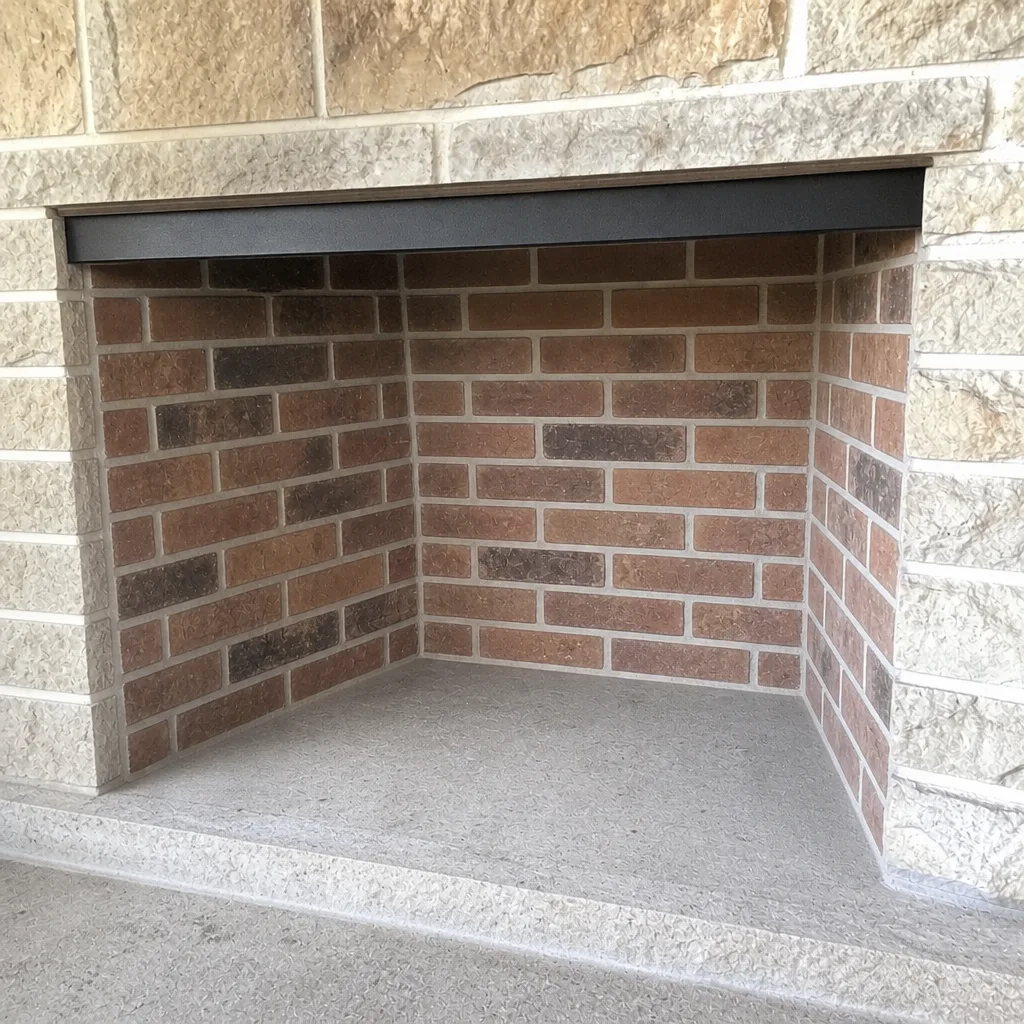
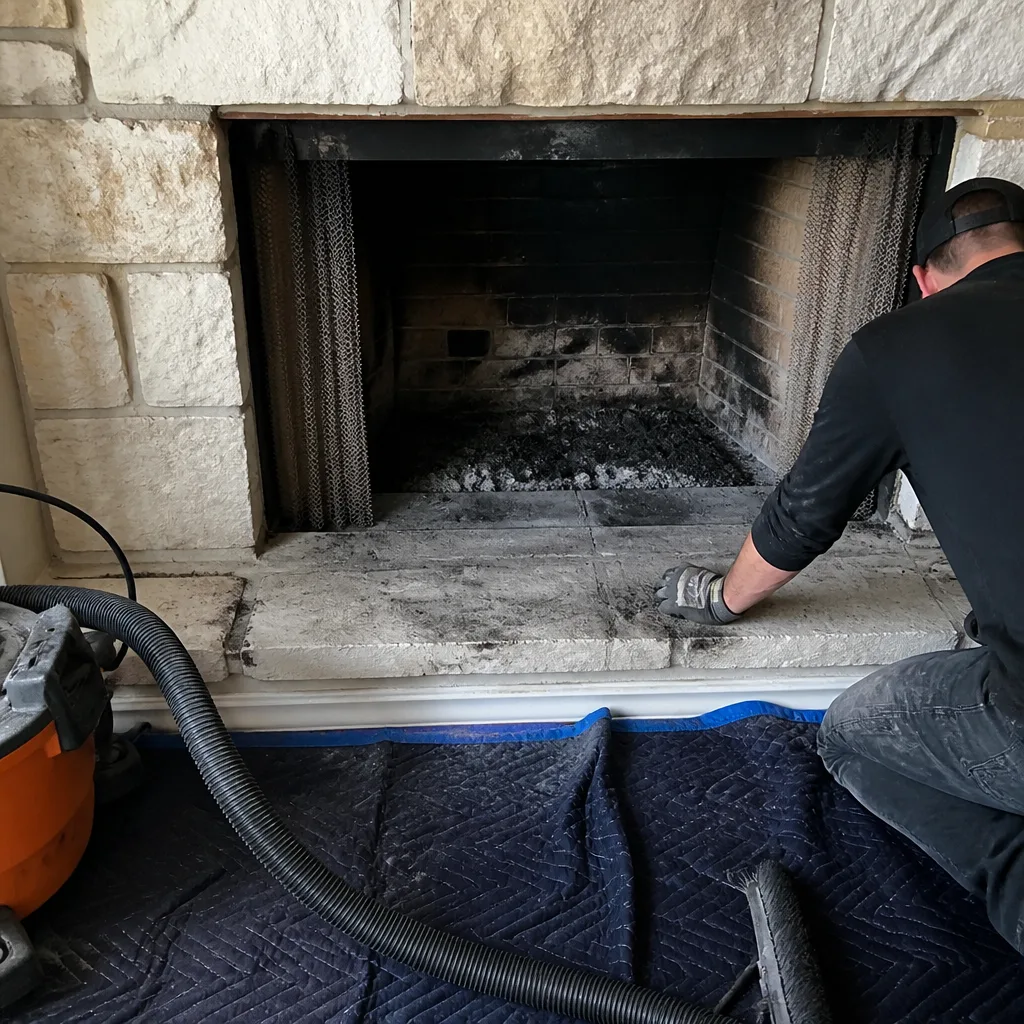
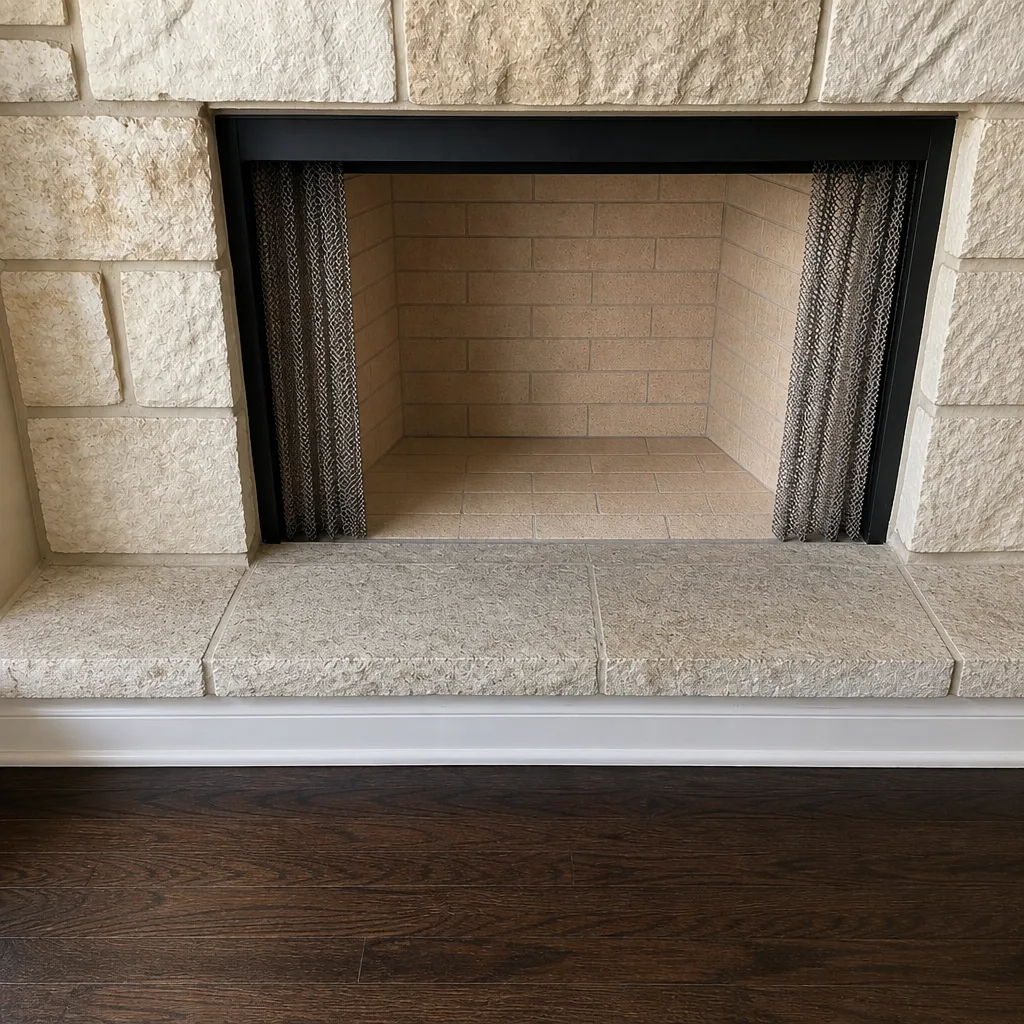
See the difference
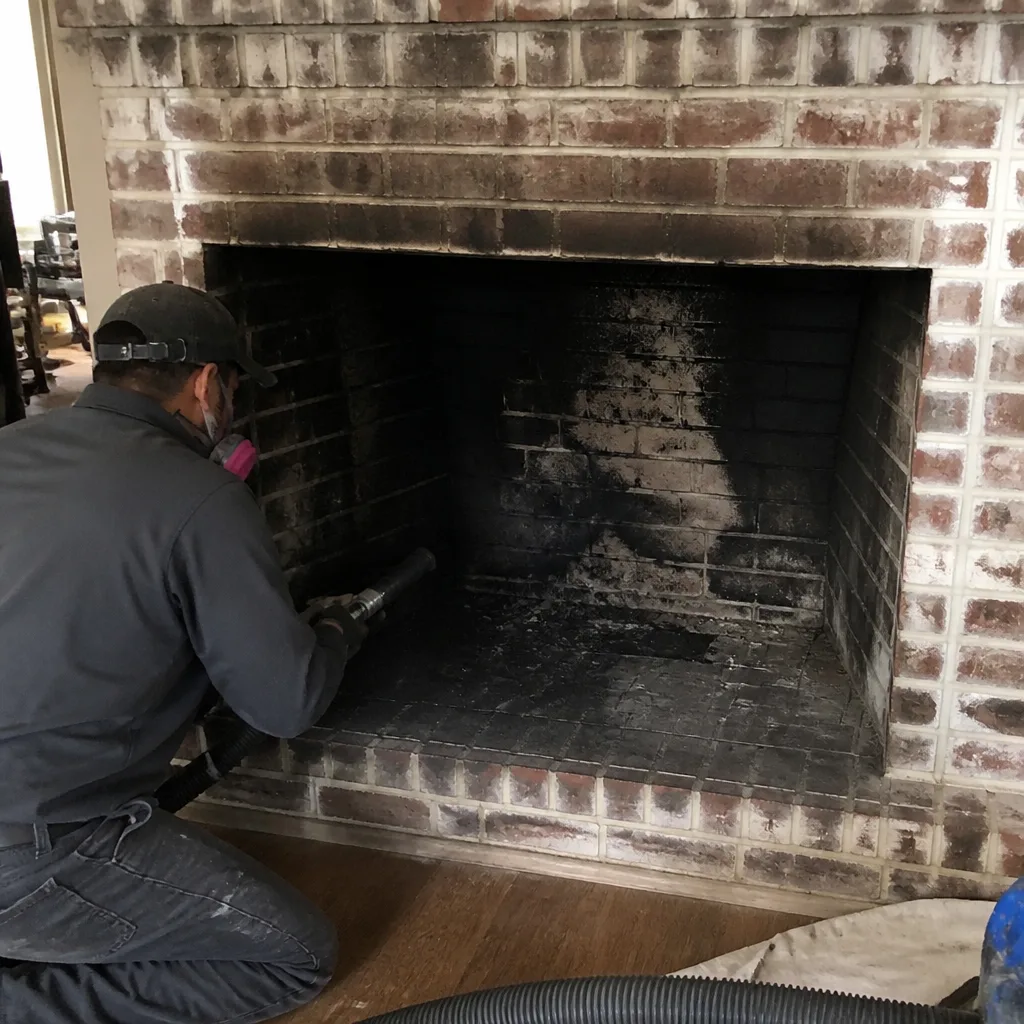 Before
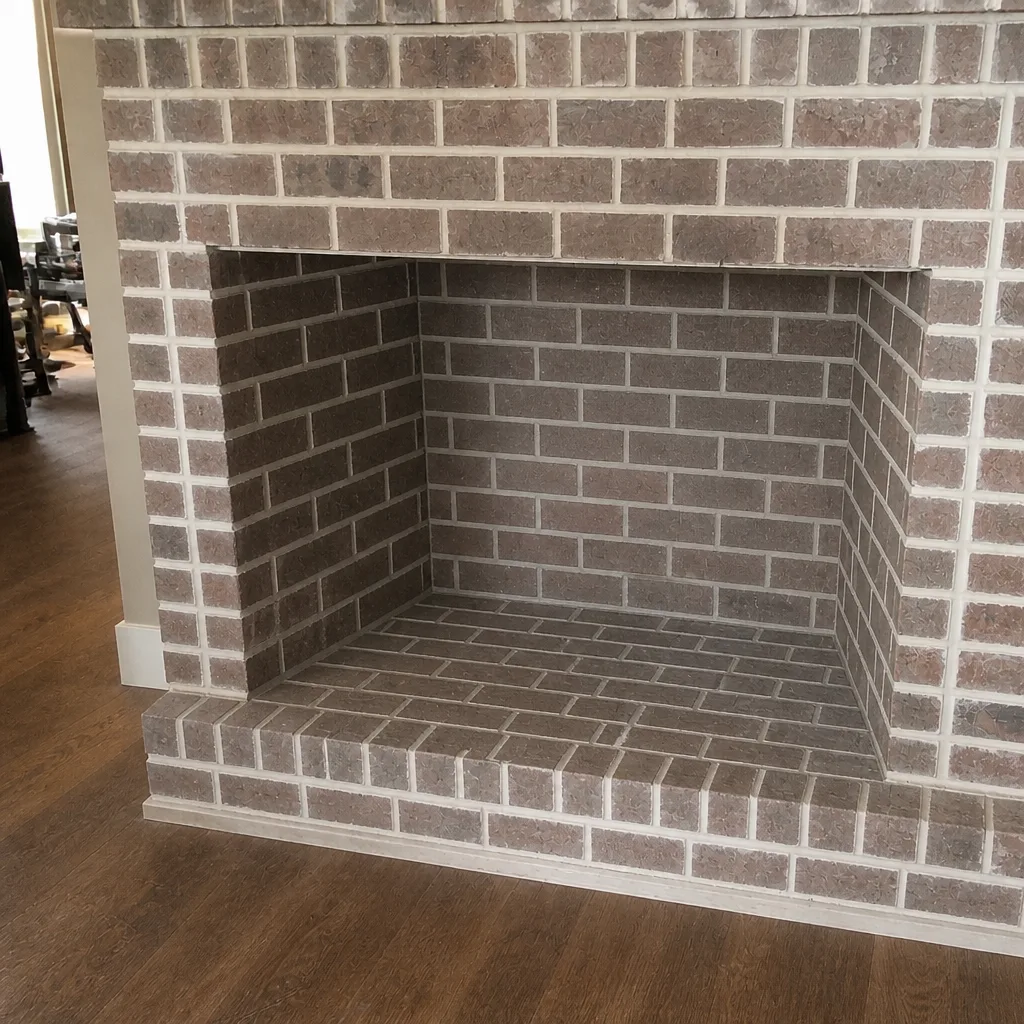 After
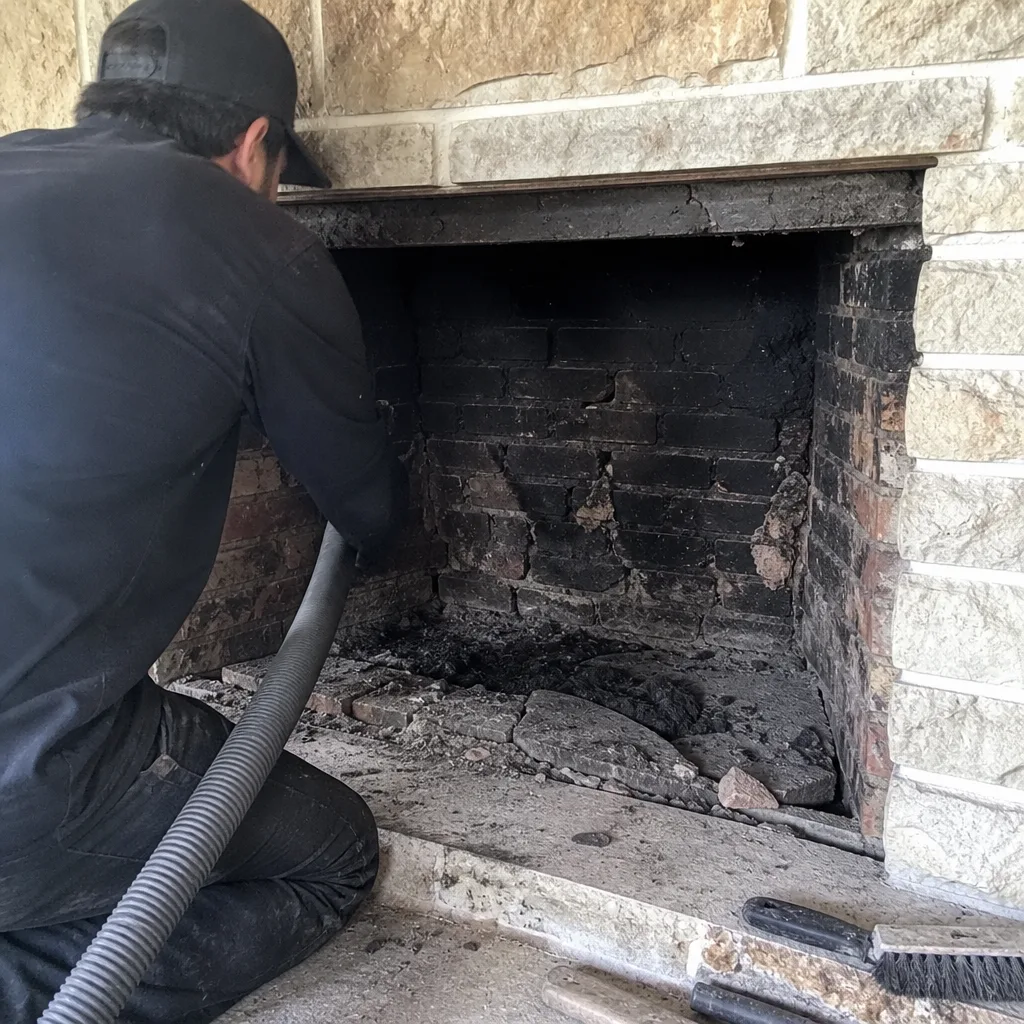 Before
 After
 Before
 After
When to Call a Professional
Some chimney work belongs on your own checklist. Other things should stop you from burning until someone trained has looked. Call us if you see any of the following: a glazed, black, tar-like creosote layer in the flue; a smoke or carbon monoxide alarm going off when the fireplace is lit; smoke spilling back into the room instead of up the flue; loose or displaced brick at the top of the chimney; a cracked or missing crown; damaged flashing; or a cap that’s rusted through or torn. Any of these is a reason for a real inspection, not a wait-and-see. A trained technician can see things that are hidden from below, and the whole system from cap to firebox is what needs checking, not just the flue. Chimney Sweep North Dallas offers free estimates in North Dallas. Call (833) 468-3242. We answer 24/7. Fast dispatch from 7am to 7pm, Sunday through Friday.
Frequently Asked Questions
Once a year for a wood-burning fireplace, or whenever the creosote layer reaches about 1/8 inch. The late-starting burn season here usually means the best time to schedule the sweep is September, before the first cold nights. Call (833) 468-3242 for an exact quote; estimates are free.
You only need a new liner if a camera inspection shows the existing one is cracked, deteriorated, or inadequate for the appliance. Many chimneys that seem like liner candidates can be addressed with HeatShield resurfacing instead, which is a targeted repair for cracks and rough surfaces. The right answer is what the camera shows, not what a sweep guesses. We document what we find before recommending anything, and we’ll tell you plainly if the work can wait. Call (833) 468-3242 for an inspection and estimate.
Usually nothing dramatic, but the risk compounds. A small crown crack that would have been a simple repair widens through the next summer, water gets into the flue, and the eventual repair is larger. Creosote from wood burning accumulates with each fire, so a skipped sweep leaves a heavier load for the next season. The safest move is a look each fall. Call (833) 468-3242 to get on the schedule.
Because the damage usually happens in the summer, not the winter. North Dallas’s extreme heat opens hairline cracks in the crown and mortar joints, and the first heavy November rain turns those into active leaks. A summer check catches them before the burn season starts. Call (833) 468-3242 for a summer crown and cap check.
No, a gas fireplace needs an annual inspection for venting, gas connections, and blockages, not a wood-style sweep. The chimney cap, crown, and flue venting checks still apply, because water doesn’t care what fuel you burn. Call (833) 468-3242 and we’ll walk through both checklists with you.
How do I know if my fireplace or chimney needs fireplace repair rather than a sweep?
Sweeping cleans; repair fixes structure. If the firebox has missing mortar, the damper is rusted or stuck, or the smoke chamber is rough and drafty, that’s repair territory, not sweeping. An inspection tells you which you need. Call (833) 468-3242 for a free estimate.
The Bottom Line
The North Texas climate writes its own chimney checklist. Summer heat, not winter cold, is what stresses the crown and mortar. Hail, not snow, is what dents caps and cracks crowns. And a late-starting burn season means a September sweep is worth planning for, not squeezing in during December. Work the list into your calendar on a spring and fall rhythm, log every visit, keep photos, and don’t ignore the smoke chamber. None of this requires guessing. A trained technician with a camera can show you exactly what your chimney needs, and what can safely wait. If you’ve never seen the inside of your flue, that’s a good reason to start the checklist today. Call (833) 468-3242. We answer 24/7. Fast dispatch from 7am to 7pm, Sunday through Friday.
For a full-system pass from cap to firebox, Chimney Sweep North Dallas handles inspection, sweeping, cap and crown work, and repair under one visit, so you don’t have to source multiple contractors. Book your chimney sweep before the first cold night and start the season with a documented inspection.
Written by the team at Chimney Sweep North Dallas.