
Last updated November 25, 2026
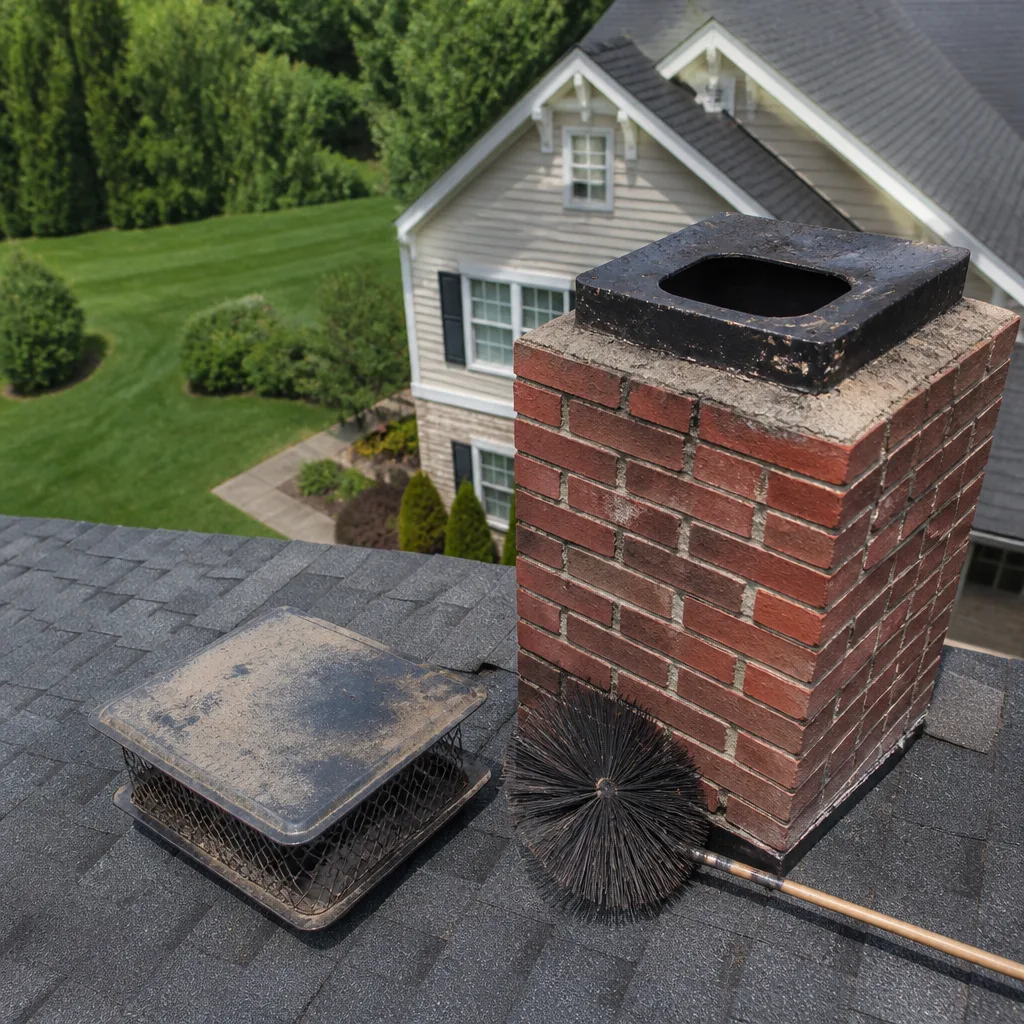 Sweep & inspection
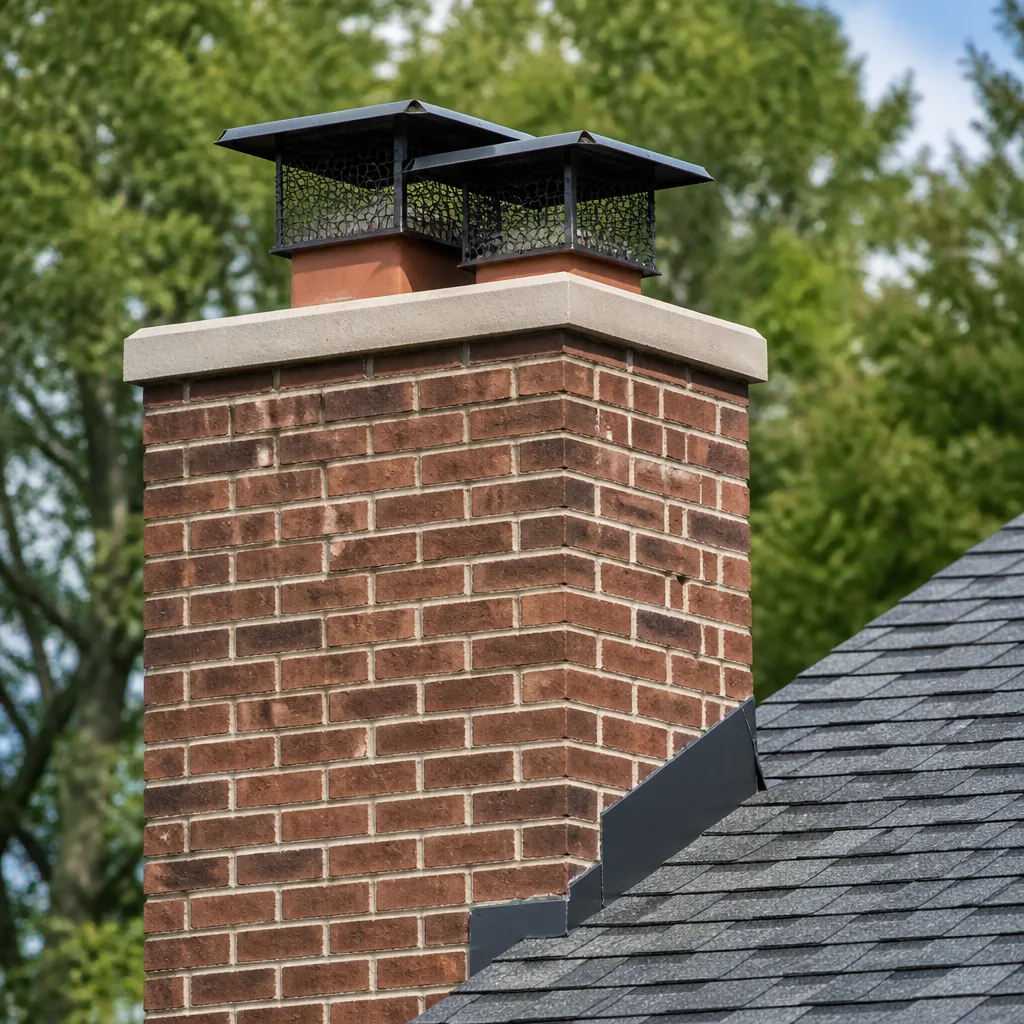 Caps & crowns
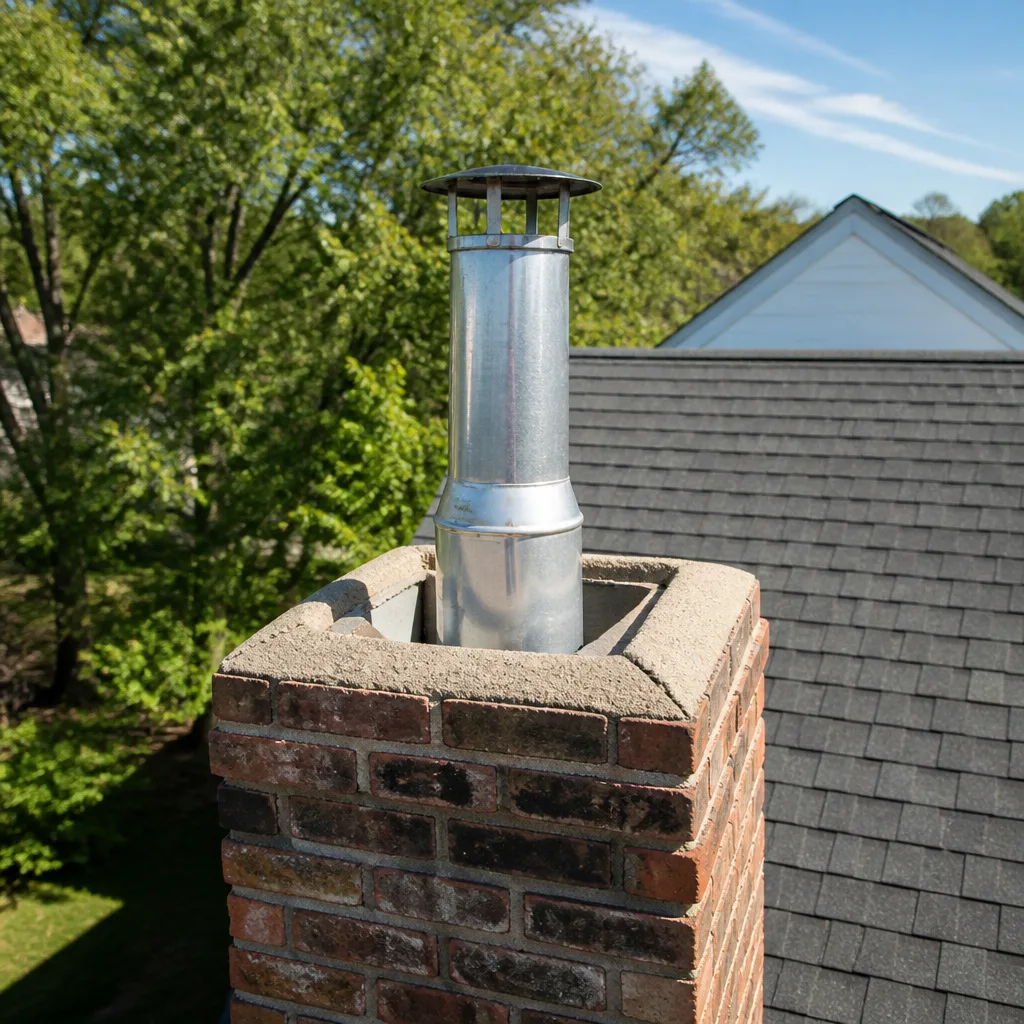 Flue relining
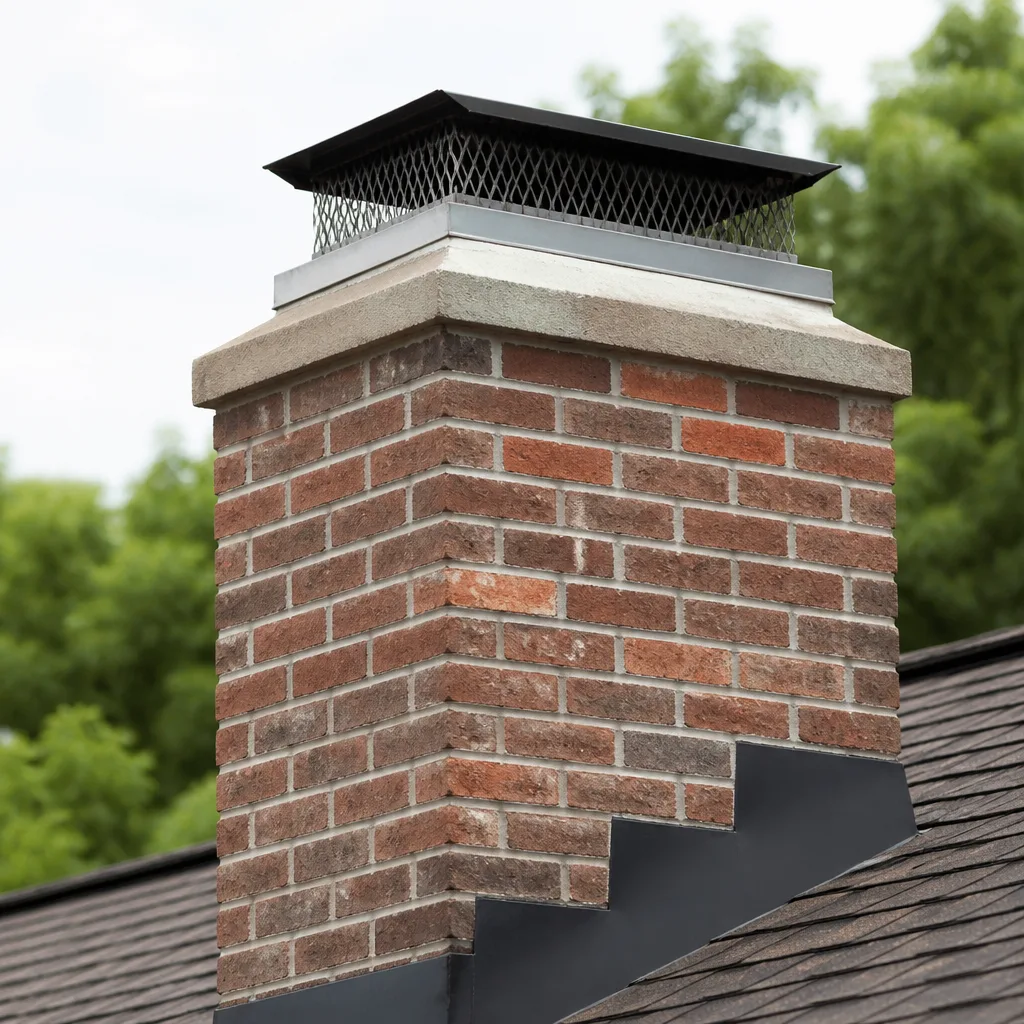 Masonry repair
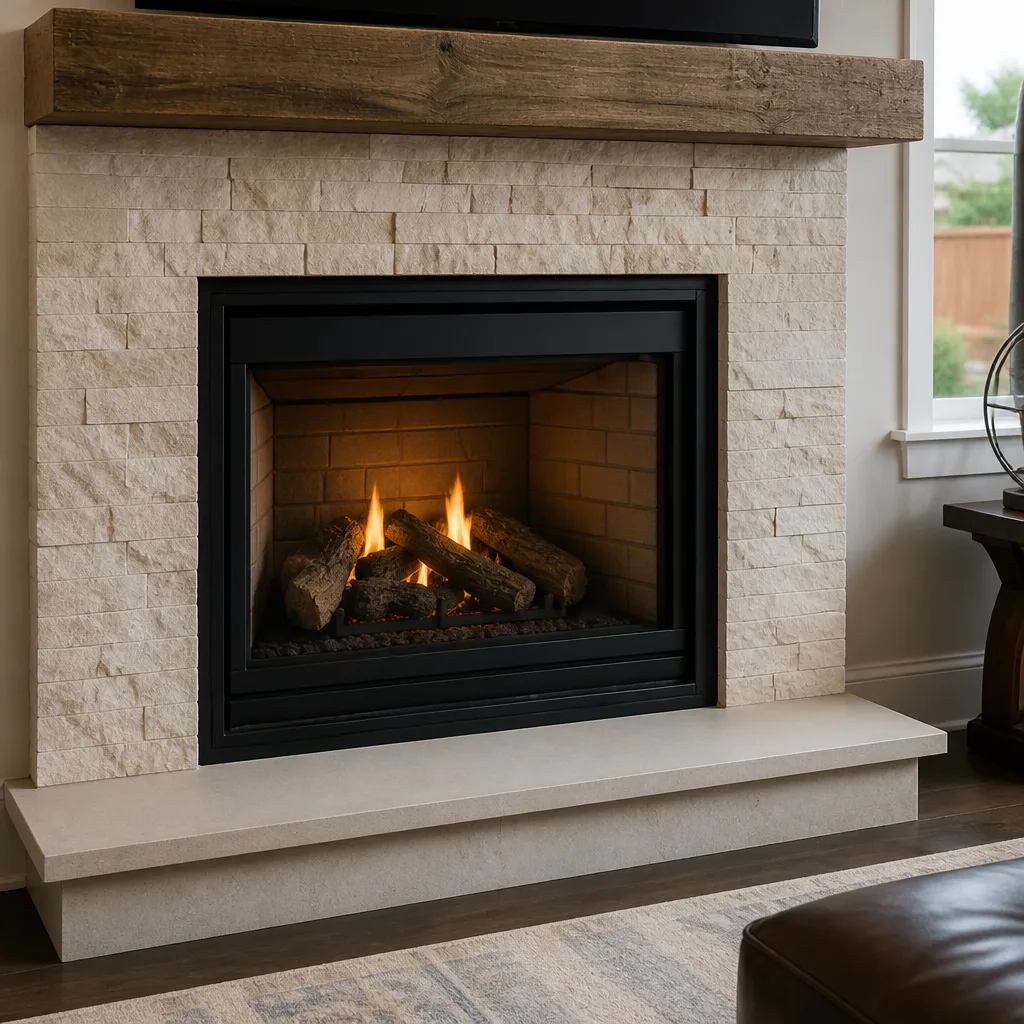 Gas fireplace service
Level 1 sweep and inspection to the NFPA 211 annual standard - flue, crown, cap, and flashing checked and photographed
Chimney sweep logs do not sweep chimneys. They loosen some creosote - which then falls where a brush and vacuum still have to collect it.
How to Hire a Chimney Cleaning Contractor in North Dallas: A Step-by-Step Guide
Texas does not require a state license to call yourself a chimney sweep. That single fact explains most of the bad chimney work in North Dallas. Someone with two weeks of experience and a brush bought online can legally show up at your door, climb on your roof, and clean your flue – and you won’t know the difference until a technician with a camera finds cracked tile or a damaged liner months later. The gap between a qualified contractor and an unqualified one does not show up on a quote sheet, so this guide teaches you how to expose that gap before anyone gets on your roof. You’ll learn what certification actually means, the five questions to ask before booking, and how to read quotes correctly.
Quick Answer
To hire a chimney cleaning contractor in North Dallas, verify CSIA certification on the CSIA website first, then ask five diagnostic questions before booking, request a written inspection report with photos, and compare quotes by what they include rather than by the headline price. A legitimate sweep documents what’s in your flue before recommending anything. A $99 sweep and a $299 sweep are rarely the same service, and the cheapest quote is usually the one that tells you the least about your chimney.
Styles & brands we work with
- Sweep & inspection
- Caps & crowns
- Flue relining
- Masonry repair
- Gas fireplace service
Table of Contents
- Why hiring a chimney sweep in North Dallas is different
- What CSIA certification actually means
- How to verify certification in 60 seconds
- Five questions to ask before booking
- Red flags specific to the DFW market
- What a written inspection report should contain
- How to compare quotes correctly
- Common mistakes to avoid
Why Hiring a Chimney Sweep in North Dallas Is Different
Most consumer guides to hiring a chimney sweep are written for places with hard winters and hundred-year-old masonry chimneys. North Dallas is not that place. Winters here are mild, so fireplaces get lighter use than in colder climates, and that changes what you’re hiring for. A chimney in North Dallas may go a full season with only a handful of fires, which means the creosote load builds slowly and homeowners often assume the chimney doesn’t need attention. In our experience, that assumption is how small problems grow into liner damage and water intrusion.
The other difference is the housing stock. North Dallas covers a wide spread of neighborhoods, from older homes near the Park Cities and Preston Hollow to newer construction farther north and east in Plano and Richardson. Older masonry chimneys may have clay tile liners that have cracked over time. Newer homes may have factory-built fireplaces with metal liners that need a different kind of inspection. A contractor who only knows one type of chimney will apply one type of fix to every job.
Mild winters also mean the biggest threat to a North Dallas chimney usually isn’t fire. It’s water. Rain blows into uncapped flues, soaks the crown, and works its way into the masonry. A sweep-only contractor who never looks at the cap or crown is skipping the part of the system most likely to fail here. That’s why we handle the full chimney system, from cap to firebox, rather than treating the sweep as the whole job. If you want the broader picture of what a proper service visit involves, our chimney sweep page walks through it step by step.
What CSIA Certification Actually Means
CSIA stands for Chimney Safety Institute of America, and its certification is the closest thing the chimney industry has to a recognized professional standard. When a contractor tells you they’re CSIA certified, it means they’ve passed a written exam covering chimney science, venting, inspection standards, and safety, and that they hold a current certification that requires renewal. It does not mean they’re licensed by the State of Texas, because Texas doesn’t license chimney sweeps. The certification is voluntary and industry-run.
Here’s why it matters more than a license would. A CSIA-certified sweep is expected to understand how a chimney actually works – how draft is created, how creosote forms and what the stages look like, why a flue sized for a wood stove behaves differently from one sized for an open fireplace, and how to inspect a liner without guessing. They’re also expected to follow recognized inspection levels. A Level 1 inspection covers what’s accessible without tools. A Level 2 inspection adds a camera scan of the flue and is the standard when a chimney changes hands, changes fuel type, or after a chimney fire or earthquake. A Level 3 inspection opens up parts of the structure when a serious hazard is suspected.
Ask which level of inspection a contractor plans to perform and why. A sweep who answers that question clearly and connects it to your situation understands the standard. A sweep who says “we just do a full inspection” without explaining what that means is hoping you won’t ask a follow-up.
How to Verify Certification in 60 Seconds
You don’t have to take anyone’s word for it. The CSIA maintains a public directory of certified sweeps, and checking it takes about a minute.
- Ask the contractor for their full name and the name of their company.
- Go to the CSIA website and open the “Find a Chimney Professional” lookup.
- Search by the contractor’s name or the company name, and enter your state or ZIP code.
- Read the result. If the name appears with an active certification, you’ve confirmed it. If it doesn’t appear, ask the contractor how they’re certified and who issued it. Some contractors hold certifications from other bodies, and those may be legitimate, but you want to know exactly what you’re being told.
While you’re on the site, check whether the certification status is current. Certifications lapse, and a contractor who was certified years ago but let it expire is not the same as one who maintains it. This is the single fastest way to separate a professional from someone who bought a brush and printed a flyer.
Five Questions to Ask Before Booking
These five questions do more to reveal real diagnostic competence than any review you’ll read. A salesperson can memorize answers. A technician who actually works on chimneys will answer these in specific terms, and you’ll hear the difference.
- “Will you scan the flue with a camera, and will I see the footage?” A camera scan is how a technician finds cracked tiles, gaps in a liner joint, and creosote glazing that a visual look from the firebox can’t reveal. Anyone who inspects without a camera is guessing. Ask whether the scan is included or an add-on, and ask to see the video or photos.
- “What brand of liner or cap would you use on my chimney, and why that one?” This question exposes whether the contractor matches products to conditions or just installs whatever they carry. We work with DuraFlex flexible liner systems, HeatShield resurfacing, and caps from Famco and Olympia Chimney, among others, and we explain which one fits a given chimney and why. A contractor who can’t name a product or explain the reason for choosing it is telling you something.
- “What’s in your written inspection report?” A verbal summary at the end of the visit is not a report. Ask what documentation you’ll receive, whether it includes photos, and whether it’s formatted so you could submit it to an insurer if you needed to.
- “If you find a problem, how will you show me?” The answer should involve photos or video of the actual condition, not a description of what “looks like it needs work.”
- “What can safely wait, and what can’t?” This is the question most homeowners never ask, and it’s the most revealing. A contractor who can separate urgent hazards from maintenance items is giving you an honest read. A contractor who says everything is urgent is selling.
We’ve built our process around these questions because they reflect how a real inspection works. Every job starts with documentation, not a recommendation. You see the evidence before you decide anything.
Red Flags Specific to the DFW Market
The Dallas-Fort Worth chimney market has a few recurring patterns worth knowing about. None of them are unique to North Dallas, but they show up here often enough that they’re worth naming.
- Door-hanger flyers with a price and no company details. A printed flyer offering a low flat rate, with no verifiable company name, address history, or certification, is a lead-generation card. The low price is bait. The real cost appears once someone is on your roof.
- “Free inspection” that ends in a four-figure repair estimate. Free inspections aren’t inherently dishonest, but a free inspection that reliably finds a major problem on every visit is a sales funnel, not an inspection. Ask what the inspection includes and whether you’ll get written documentation either way.
- No camera scope. If a contractor doesn’t carry a camera, they cannot perform a Level 2 inspection and they cannot see what’s actually in your flue. They’re cleaning blind and recommending blind.
- Quotes given before anyone looks. A phone quote for liner work is a guess, and it’s usually a low guess designed to get a foot in the door. Real quotes follow a real inspection.
- Pressure to decide today. Chimney work is almost never an emergency that requires a signature in the same hour. Be wary of any contractor who frames it that way.
- No written estimate. If the price isn’t in writing before work begins, it isn’t a price. It’s an opening position.
One more pattern specific to this climate: contractors who skip the cap and crown entirely. In a market with mild winters and heavy spring rain, the cap and crown are often the most important parts of the system. A sweep who never mentions them is either unfamiliar with water intrusion or unwilling to sell the less dramatic work. Our chimney cap & crown page explains why this step matters more here than in colder parts of the country.
What a Written Inspection Report Should Contain
A written inspection report is the deliverable that separates a professional visit from a brush-and-go. It should be specific enough that you could hand it to another contractor or your insurer and they’d understand exactly what’s going on with your chimney.
- The inspection level performed (Level 1, 2, or 3) and why that level was appropriate.
- The condition of the firebox, damper, smoke chamber, flue, and cap, described individually rather than as a single overall verdict.
- Photos or video of what was found, especially of any damaged area. Documentation you can see is what makes the report useful.
- The type and amount of creosote observed, including its stage, since creosote stage determines cleaning method and risk.
- Any observed safety hazards, flagged clearly and separated from routine maintenance items.
- Recommendations with reasoning, not just a list of services. Each recommendation should connect back to a specific finding.
- A date and the name of the company, so the report is a dated record you can keep.
Why does this matter beyond your own understanding? Insurance claims. If a chimney fire or water damage claim ever comes up, an insurer will ask for documentation of the chimney’s condition beforehand. A verbal “it looked fine” from a sweep who left no paper trail helps no one. A written report with photos gives you a record. We document what we find before we recommend anything, and we hand that documentation to the homeowner, because a report you can’t read is no better than a verbal summary.
How to Compare Quotes Correctly
The most common mistake in hiring a chimney sweep is comparing headline prices. A $99 sweep and a $299 sweep are rarely the same service, and the difference usually lives in what each one includes.
- A $99 sweep is typically a brush-and-vacuum. It may not include an inspection, a camera scan, photos, or any documentation. On a chimney with light creosote and no known problems, that can be adequate. On anything else, it’s a cleaning without a diagnosis.
- A $299 sweep usually bundles the sweep with a Level 2 inspection and a written report. The extra cost buys you the camera scan, the documentation, and the diagnostic work that tells you whether your chimney is actually safe.
Neither price is wrong on its own. The question is whether the scope matches what your chimney needs. A chimney that’s been cleaned annually with no issues may only need the sweep. A chimney that’s never been inspected, or that’s had a chimney fire, or that’s showing water stains on the ceiling near the flue, needs the inspection and the report. Pay for the scope, not the sticker.
When comparing quotes, ask each contractor to itemize what’s included: sweep only, or sweep plus inspection? Camera scan included? Written report? Photos? Cap inspection? If a quote is vague, that vagueness is the quote. Get everything in writing before booking, and be suspicious of any quote that changes after you’ve agreed to it.
What to Expect on the Day of the Visit
Knowing how a professional visit runs helps you spot shortcuts. A qualified contractor will do most of the following, and will be able to tell you which parts of it apply to your chimney.
- Set up containment. Drop cloths and a work area around the firebox are standard. Dust control is part of a professional visit, not a courtesy.
- Inspect before cleaning. A proper visit starts with a look at the firebox, damper, and accessible flue before any brushing. This is how the technician knows what they’re dealing with.
- Scan the flue with a camera. The camera reveals what the eye can’t reach. This step is what turns a cleaning into an inspection.
- Sweep with the right tools for the flue type. A clay tile liner and a metal factory-built liner call for different brushes and different technique. The wrong brush on the wrong liner can damage it.
- Clean up and document. The technician should leave the work area as it was, and give you the written report or a clear explanation of what was found, with photos.
- Explain what’s next. Any recommended work should come with a written estimate and a reason for the recommendation. You should never feel pushed to decide on the spot.
If a contractor skips the inspection step, cleans without containment, or leaves without documentation, you’ve learned what kind of visit you paid for. That’s why the questions in the previous section matter – they tell you what will happen before it does.
Common Mistakes to Avoid
- Hiring on price alone. A low quote is only a bargain if the scope is the same. Compare what’s included, not just the number at the bottom.
- Assuming Texas licenses chimney sweeps. It doesn’t. Certification through the CSIA is voluntary, so verify it yourself instead of trusting a beacon on a truck.
- Accepting a verbal summary as an inspection. If there’s no written report with photos, you have no record and no way to evaluate the recommendation.
- Skipping the cap and crown conversation. In a North Dallas climate, water intrusion through a missing or damaged cap is often the bigger threat than creosote. If a contractor doesn’t bring it up, ask.
- Letting a “free inspection” drive a same-day decision. Real chimney work can almost always wait until you’ve seen the evidence and had a chance to compare.
- Not asking what brand of materials will be used. The liner or cap installed on your chimney should be a named professional-grade product, and you should know which one and why.
- Assuming a previous sweep means the chimney is safe. A sweep is not an inspection. If you’ve had a cleaning but never had a documented inspection with a camera, you don’t actually know the condition of your liner.
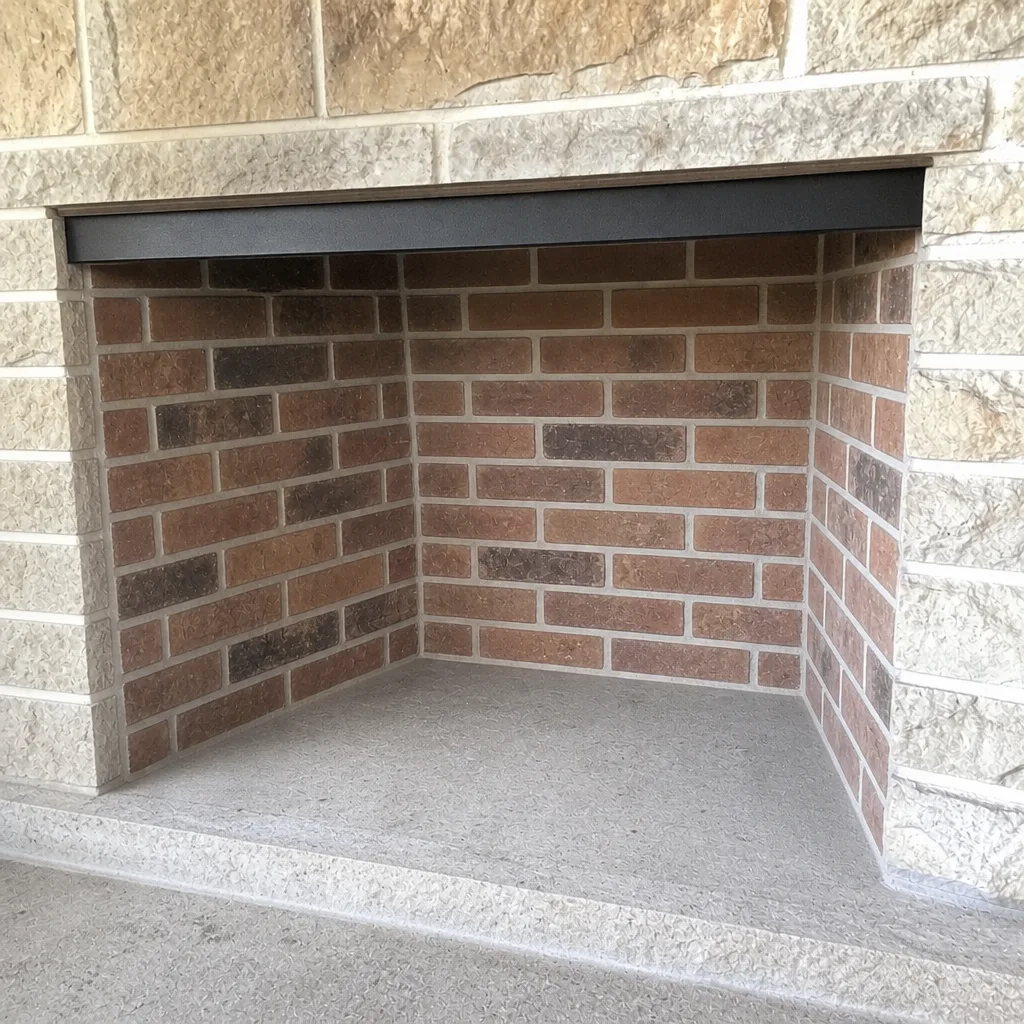
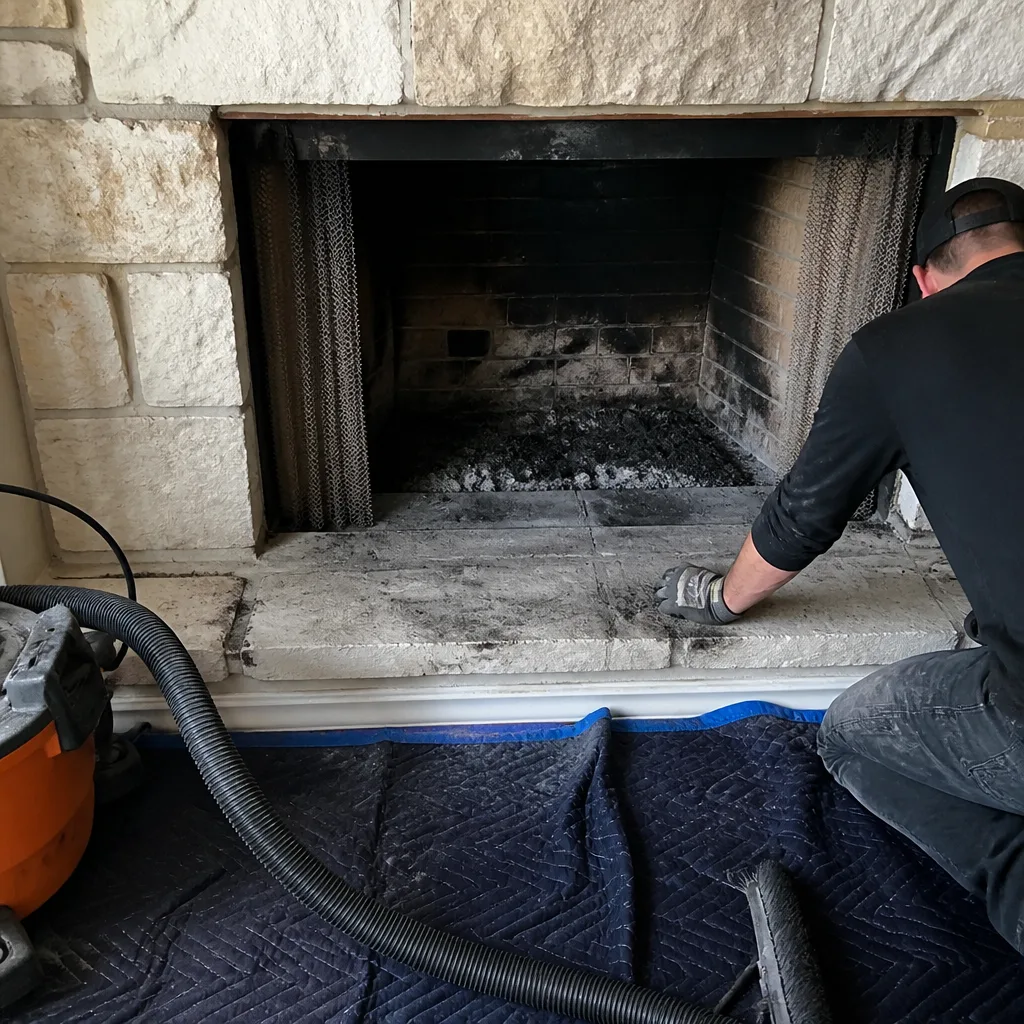
See the difference
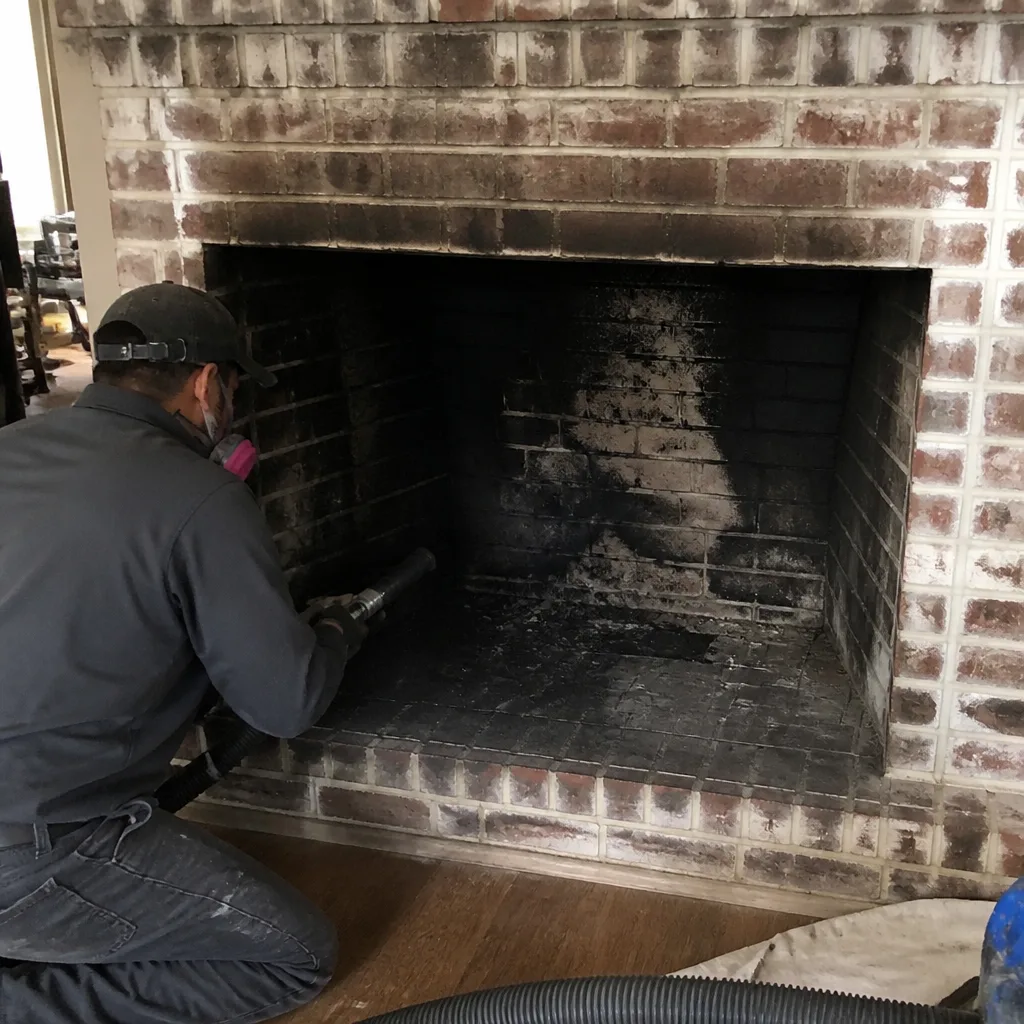 Before
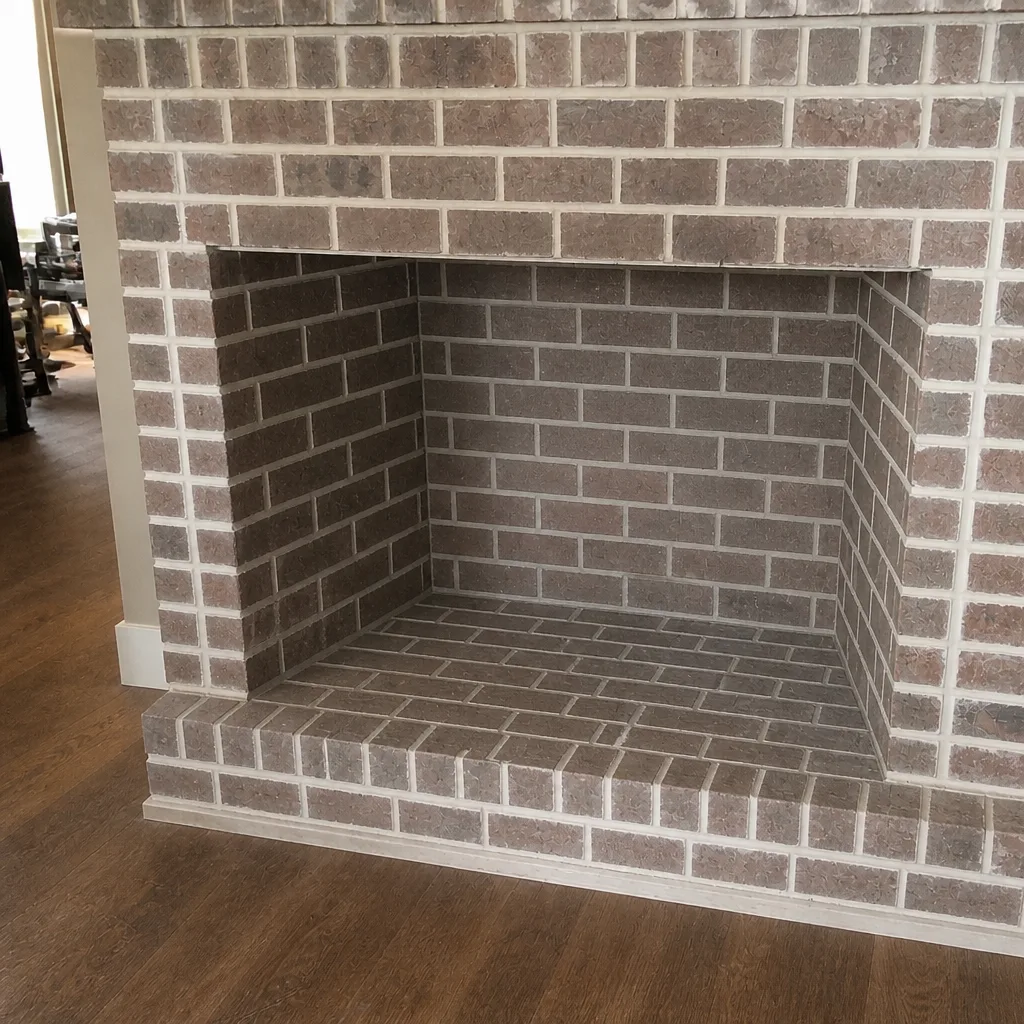 After
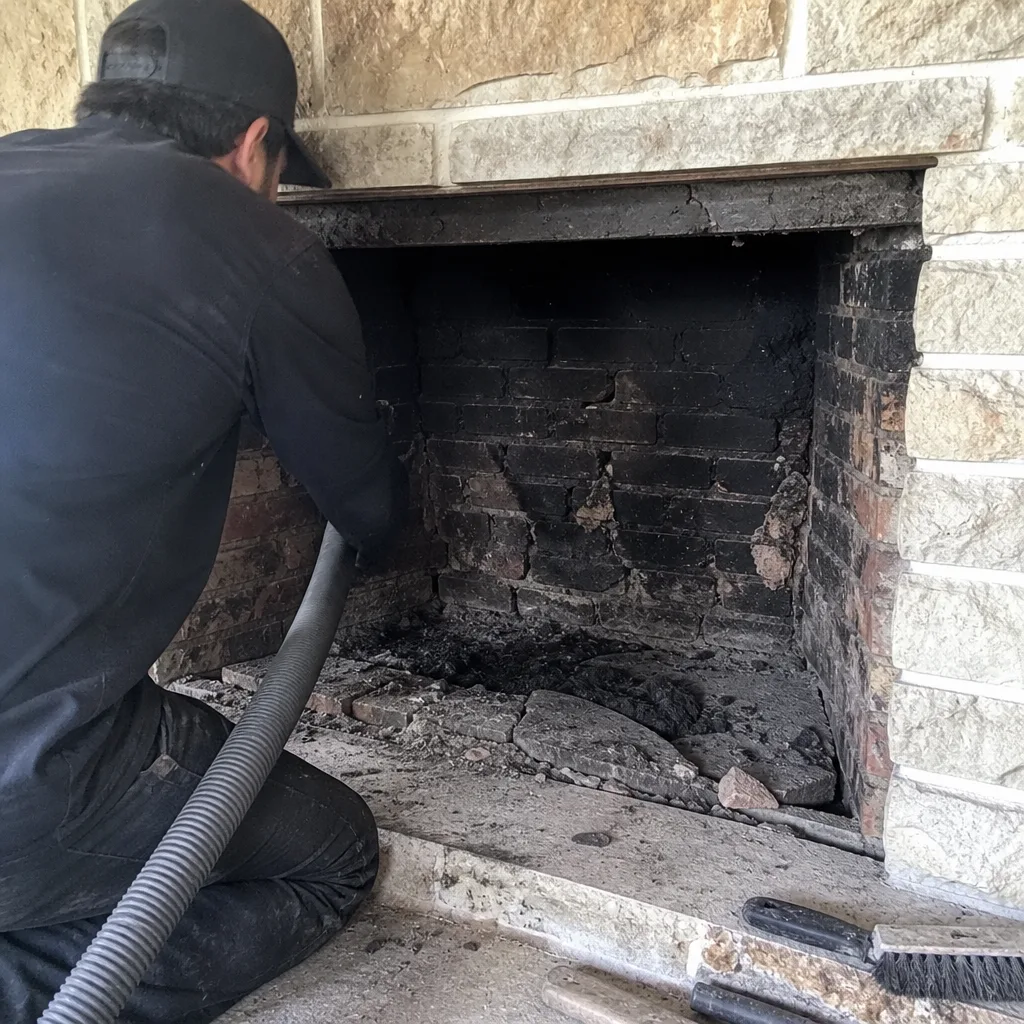 Before
 After
 Before
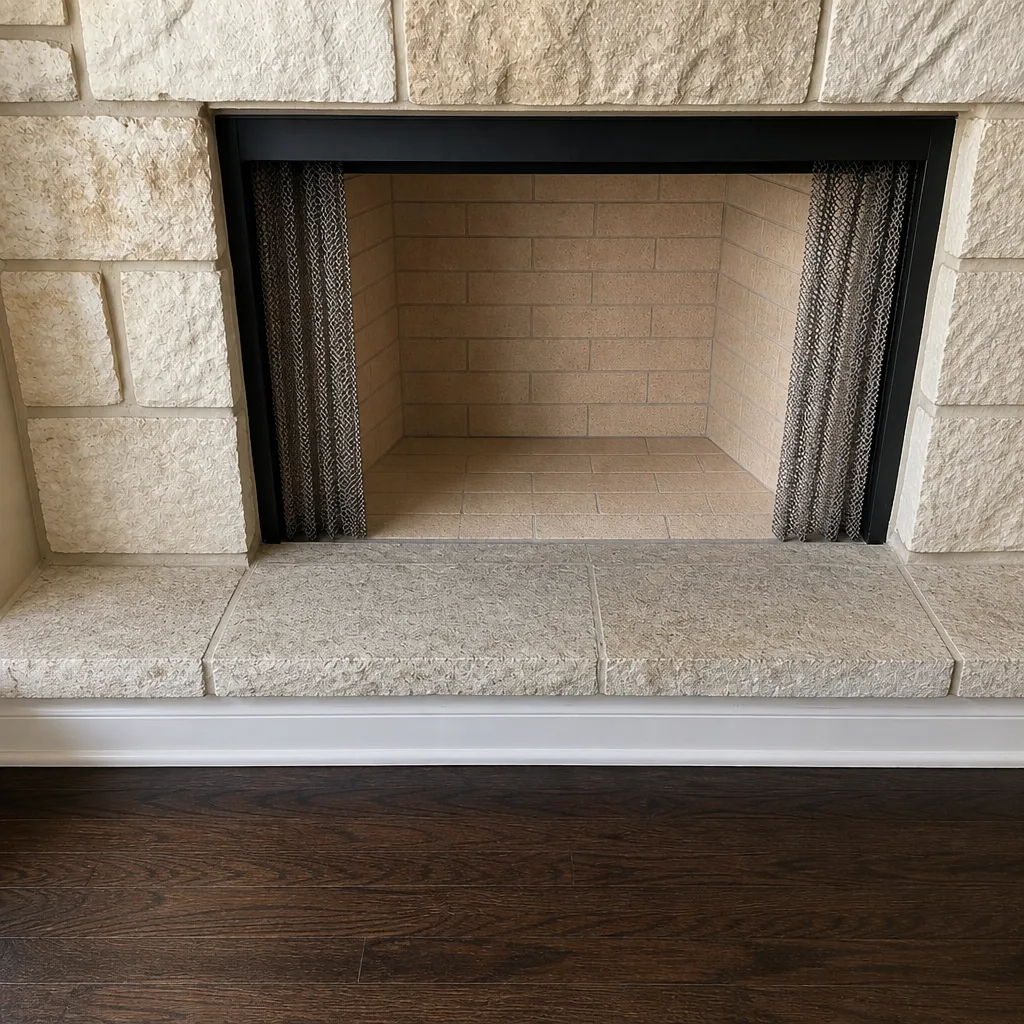 After
When to Call a Professional
Some chimney work can wait, and some can’t. Call a professional if you’ve never had an inspection and don’t know the condition of your liner. Call if you’ve noticed water stains on the ceiling or wall near the flue, crumbling mortar around the chimney, or a cap that’s missing or damaged. Call if you smell smoke in the room when the fireplace isn’t running, or if the fire doesn’t draft well. Call if you’ve had a chimney fire, even a small one, because the liner needs to be checked after any fire. And call before the burning season starts rather than after, since a mild North Dallas winter still means creosote buildup from the fires you do run. If any of these describe your chimney, stop guessing and get it looked at.
Chimney Sweep North Dallas offers free estimates in North Dallas – call (833) 468-3242. We document what we find before we recommend anything, and we’ll tell you plainly when work can safely wait.
Frequently Asked Questions
Chimney sweeping in North Dallas typically runs from about $99 for a basic brush-and-vacuum to around $299 for a sweep bundled with a Level 2 inspection and written report. The scope is what drives the difference, not the neighborhood. A written estimate sets the final price on any additional work. Call (833) 468-3242 for an exact quote – estimates are free.
You need a new liner if there’s verified damage – cracked tiles, a gap in a metal liner joint, or glazed creosote that can’t be safely cleaned. You don’t need one just because someone says so. Ask to see the camera footage of the damage before you agree, and ask whether resurfacing with HeatShield could restore the existing liner instead of replacing it, since that’s a lower-cost option when the damage allows it. A contractor who won’t show you the evidence is asking you to trust a sales pitch. Call (833) 468-3242 for an exact quote – estimates are free.
A chimney in North Dallas should be swept about once a year if it’s actively used, and inspected at the same time. Mild winters here mean lighter use for many households, so a chimney that only sees a few fires a season may go longer between cleanings, but the annual inspection is still worth doing. Creosote buildup depends on how hot and how often you burn, not just on the calendar. Call (833) 468-3242 for an exact quote – estimates are free.
Skipping maintenance lets creosote accumulate and lets small problems – a cracked tile, a loose cap, a hairline crown crack – go unnoticed until they’re expensive. In a North Dallas climate, water is often the bigger risk than fire, since an uncapped flue takes rain directly. Carbon monoxide is a real hazard too when a flue is blocked or damaged. None of this is a reason to panic, but it is a reason to have the chimney looked at. Call (833) 468-3242 for an exact quote – estimates are free.
No. Texas does not license chimney sweeps, so the certification you’re looking for is through the CSIA, which is voluntary. Verifying that certification on the CSIA website is the single fastest way to check whether a contractor has met a recognized professional standard. Call (833) 468-3242 with questions about our process – estimates are free.
A qualified sweep using the right tools should not damage your flue, but the wrong brush on the wrong liner material can. This is one reason to verify certification and to ask what tools the technician uses for your specific flue type. A camera scan before and after cleaning also confirms the flue’s condition. Call (833) 468-3242 for an exact quote – estimates are free.
The Bottom Line
Hiring a chimney sweep in North Dallas comes down to verification, evidence, and scope. Verify CSIA certification yourself instead of trusting a claim. Ask the five questions before booking, because they reveal diagnostic competence faster than any review. Insist on a written inspection report with photos, and compare quotes by what they include rather than by the headline price. Check the cap and crown conversation, since water intrusion is a real risk in this climate. And ask what can safely wait, because a contractor who tells you the truth about that is the one worth calling back. If you want the full system looked at, from cap to firebox, that’s what we do.
Chimney Sweep North Dallas offers five core services – chimney sweeping, chimney cap and crown installation, fireplace repair, chimney inspection, and chimney repair – and we work with professional-grade product lines including DuraFlex, HeatShield, Olympia Chimney, Famco, and Copperfield so the right material gets matched to the job. Our technicians have up to 12 years of experience. We answer 24/7. Fast dispatch, 7am-7pm, Sunday through Friday. Call (833) 468-3242 for a free estimate. If you need fireplace repair or want to start from the beginning with Chimney Sweep North Dallas, we’ll walk you through what to expect before anything gets booked.
Written by the team at Chimney Sweep North Dallas.